Learn how to identify, diagnose, and fix Aloe Vera leaf drop with expert tips to restore your plant’s health and prevent future problems. Dealing with Aloe Vera leaf drop can be concerning, especially if you're new to caring for succulents or indoor plants. It’s natural to worry when you see those healthy, firm leaves beginning to wilt, droop, or fall off. But don’t fret—this issue is common, and with some attention and adjustments, your Aloe Vera can bounce back strong and vibrant. This guide will walk you through understanding why Aloe Vera leaves drop, how to diagnose the underlying cause, effective treatments, and practical tips to prevent this problem from recurring. Remember, every healthy plant gives signals—recognizing them and responding with care can turn things around for your Aloe Vera.
Section 1: Understanding the Problem
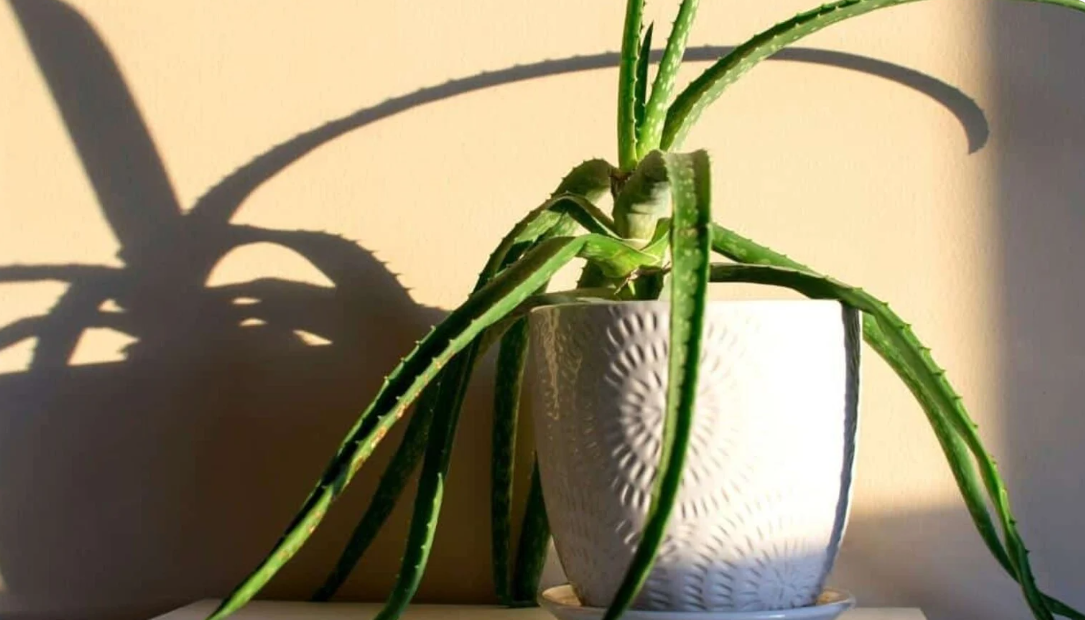
Visual identification: What does leaf drop look like?
Aloe Vera leaf drop can manifest in various ways. You might notice:
- Drooping or wilting leaves that appear limp
- Leaves drying out, turning yellow at the tips, and falling off
- Whole sections of leaves detaching from the plant
- Sunken or shriveled leaves that seem dehydrated
Understanding what leaf drop looks like helps narrow down potential causes.
Common causes overview
Several factors can lead to Aloe Vera leaf drop:
- Overwatering: Roots become waterlogged, leading to root rot and stress, causing leaves to weaken.
- Underwatering: Insufficient water causes dehydration, wilting, and leaf loss.
- Improper light: Too much direct sun or too little light can stress the plant.
- Drafts and environmental stress: Sudden temperature changes, drafts from windows or AC, and low humidity can impact plant health.
- Pests and diseases: Insects like mealybugs or fungal issues can weaken the plant, leading to leaf loss.
Understanding these common causes sets the foundation for accurate diagnosis and effective recovery.
Section 2: Diagnosing the Exact Cause
Accurate diagnosis is key to fixing Aloe Vera leaf drop effectively. Follow these steps:
Cause 1: Overwatering leading to root rot and stress
- Indicators: Mushy or blackened roots when you gently inspect the plant’s base, soggy soil that feels overly wet.
- How to confirm: Gently remove the plant from its pot to examine the roots. Healthy roots are white or light tan and firm.
Cause 2: Underwatering causing dehydration and leaf wilting
- Indicators: Dry, brittle leaves with brown tips, soil feeling completely dry several inches below the surface.
- How to confirm: Touch the soil, and if it’s bone dry, the plant may need watering.
Cause 3: Environmental stress such as drafts, low humidity, or improper light
- Indicators: Leaves showing uneven coloration, scorched or sunburned patches, or the plant leaning toward a light source.
- How to confirm: Check the plant’s location—is it near a heater, cold window, or under direct intense sunlight?
How to tell which cause it is
- Check soil moisture: Use your finger or a moisture meter to see if the soil is too wet or too dry.
- Inspect roots: Look for signs of rot or damage.
- Observe environment: Is the plant in a stable, suitable spot?
By combining these observations, you can pinpoint whether overwatering, underwatering, or environmental factors are responsible for leaf drop.
Section 3: Treatment Solutions
Tailored care based on the diagnosed cause can restore your Aloe Vera’s health:
Immediate actions to take
- Adjust watering: If overwatered, stop watering immediately, and allow the soil to dry out thoroughly. If underwatered, water deeply but infrequently, ensuring excess water can drain away.
- Move the plant: Relocate to a more stable, appropriate environment—away from drafts, direct harsh sunlight, or cold drafts.
- Trim damaged leaves: Remove any dried, yellow, or damaged leaves using clean scissors to prevent disease spread and encourage healthy new growth.
Long-term treatment plan
- Improve soil drainage: Use a well-draining succulent or cactus mix. Consider adding coarse sand or perlite to enhance drainage.
- Establish watering routine: Water only when the top inch of soil feels dry. During active growth (spring and summer), water more frequently; reduce in winter.
- Optimize light exposure: Place your Aloe Vera in bright, indirect sunlight, preferably near a south or west-facing window. Use sheer curtains to diffuse direct sunlight if necessary.
What to expect during recovery
- Gradual new leaf growth: Once the cause is corrected, you’ll notice new, firm leaves emerging within a few weeks.
- Improved vitality: The overall plant will regain its firmness, color, and resilience with consistent care.
- Patience is key: Recovery times vary, but persistent attention will reward you with a thriving Aloe Vera again.
Section 4: Prevention Tips
Prevent future leaf drop with these simple, effective care practices:
Care routine adjustments
- Water wisely: Only water when the soil is completely dry to prevent overwatering.
- Fertilize appropriately: Use a diluted cactus or succulent fertilizer during active growing seasons, typically spring and summer.
- Avoid overexposure: Don’t place your Aloe Vera in intense midday sun if it’s young or sensitive—gradually acclimate it to bright light.
Environmental factors to monitor
- Temperature: Keep indoor temperatures between 59°F and 77°F (15°C - 25°C).
- Avoid drafts: Keep your plant away from cold windows or air conditioning vents.
- Ensure airflow: Good air circulation helps prevent pests and diseases.
- Maintain humidity: Aloe Vera prefers low humidity; avoid placing it in overly humid rooms.
By maintaining a consistent, suitable environment and proper watering habits, you can greatly reduce the chances of leaf drop and keep your Aloe Vera healthy and vibrant.
Conclusion
Remember, Aloe Vera leaf drop isn’t a death sentence but a sign that your plant needs some attention. Whether caused by watering issues, environmental stress, or pests, proper diagnosis coupled with targeted actions can revive your Aloe Vera and keep it thriving.
With patience and attentive care, your Aloe Vera will bounce back and even flourish, adding beauty and health benefits to your indoor space. Keep an eye on your plant’s signals, adjust your care routine accordingly, and enjoy your journey as a confident plant parent!
FAQ
Q: How long until I see improvement after fixing watering issues?
A: Usually, you can expect to see signs of recovery within a few weeks. New, healthy leaves may start emerging gradually as the plant regains strength. Consistent proper care is essential for sustained recovery.
Q: Can my Aloe Vera fully recover from significant leaf drop?
A: Yes, Aloe Vera plants are quite resilient. While some older leaves may not regenerate, new growth can replace fallen leaves if the underlying cause is addressed and the plant’s overall health is restored.
Q: Should I prune the fallen leaves or damaged parts?
A: Absolutely. Removing dried, yellowed, or damaged leaves with clean scissors helps prevent disease and encourages new healthy growth. Just ensure you don’t remove too much at once—leave enough foliage to support the plant’s energy needs.
With these tips and insights, you’re well on your way to nurturing a healthy, happy Aloe Vera. Keep caring, stay observant, and enjoy the process of growing and caring for your indoor green companion!