```markdown
Why Is My Snake Plant Having Root Rot? Causes & How to Fix It
Quick Summary: Root rot is a common issue in Snake Plants, caused mainly by overwatering and poor drainage. With prompt diagnosis and proper care, you can save your plant and prevent future problems. This guide walks you through understanding, diagnosing, treating, and preventing root rot — so your Snake Plant can thrive again!
Introduction
Noticing that your Snake Plant (or Sansevieria) isn’t looking as lively as usual can be worry-inducing. If you’ve spotted blackened, squishy roots or that your plant is wilting despite normal watering, you might be dealing with root rot. While it’s a frustrating problem, please don’t panic — root rot is often reversible if caught early.
Many plant parents feel overwhelmed because the symptoms are alarming, but understanding what’s happening beneath the soil and knowing the right steps can turn things around. In this article, we’ll explore why root rot occurs in Snake Plants, how to diagnose it accurately, and the best treatment methods — both immediate and long-term. With a little patience and care, your Snake Plant can recover and return to its healthy, upright self. Let’s get started!
Section 1: Understanding the Problem
Root rot in Snake Plants occurs when excess moisture leads to fungal or bacterial infection, causing the roots to decay and the plant to weaken. Symptoms often include:
- Wilted or yellowing leaves, despite normal light
- Soft, black, or brown roots when inspected
- A foul smell emanating from the soil
- Soil that stays damp for too long
Why does this happen? Essentially, Snake Plants are succulents adapted to dry conditions, so too much water or poorly drained soil suffocates the roots, creating an environment ripe for pathogens.
Visual Identification
- Soft or blackened roots when gently pulled or inspected
- Foul odor from the soil indicating decay
- Wilted or yellow leaves that don’t respond to watering adjustments
Common Causes Overview
- Overwatering, especially in indoor settings where watering frequency might be routine
- Poor drainage soil or pots without drainage holes
- High humidity around the plant
- Fungal pathogens thriving in damp, stagnant soil
Section 2: Diagnosing the Exact Cause
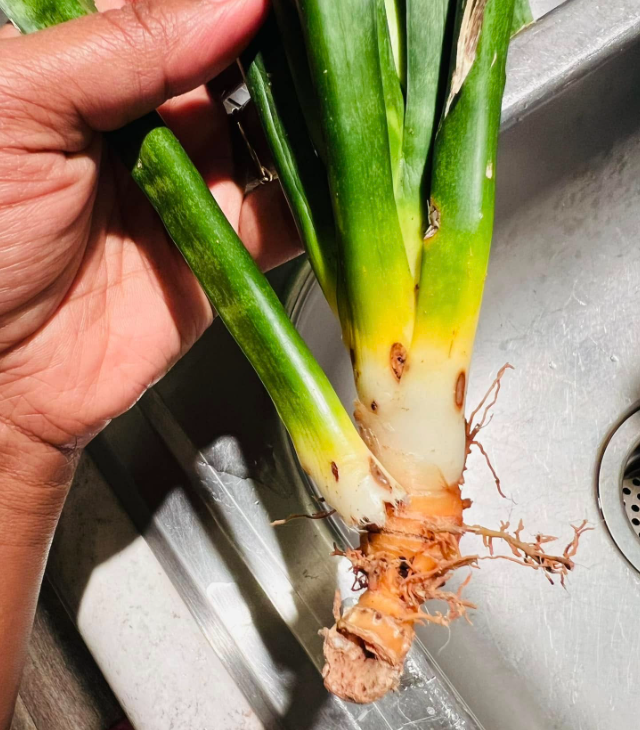
Proper diagnosis is key to effective treatment. Follow these steps:
Cause 1: Overwatering & Poor Drainage
Most common in indoor settings, overwatering occurs when the soil stays wet over extended periods. If you notice a soft, foul-smelling root system after removing your plant, this is likely the culprit.
Cause 2: Excess Humidity or Damp Soil
High indoor humidity can keep soil damp longer than necessary, encouraging fungal growth. Consider if your environment has poor ventilation or if you’ve misted excessively.
Cause 3: Fungal Infections
If the roots are black or mushy, fungal pathogens such as Fusarium, Phytophthora, or Pythium may be infecting your plant.
How to Tell Which One It Is:
- Inspect roots: Gently take your plant out of its pot, clean off some soil, and look at the roots.
- Smell test: A strong, rotten smell signals decay.
- Review watering habits: Do you water frequently? Is the soil always wet?
- Check soil moisture: Insert your finger an inch into the soil—if it’s wet or soggy consistently, overwatering is likely.
Decision checklist:
- Soft, black roots + foul smell? Likely overwatering and fungal infection
- Roots slightly soft but not black? Possibly drainage or humidity issues
- Roots healthy but plant wilting? Investigate watering schedule or light conditions
Section 3: Treatment Solutions
Once you identify the cause, you can take targeted steps to nurse your Snake Plant back to health.
Immediate Actions (First 24-48 Hours)
- Remove your plant from the soil carefully, shaking off excess dirt.
- Inspect the roots thoroughly under good light.
- Trim away any soft, black, or mushy roots using sterilized scissors or pruning shears.
-
Treat remaining healthy roots with a natural antifungal remedy like:
-
Cinnamon powder (a natural fungicide)
-
Hydrogen peroxide solution (diluted 3% mix: 1 part peroxide to 4 parts water)
-
Allow roots to air-dry for an hour or two in a warm, shaded place.
Step-by-Step Treatment
-
Repot in well-draining soil:
-
Use a cactus or succulent mix designed for good drainage.
- Ensure your pot has drainage holes.
-
Adjust watering immediately:
-
Water only when the top inch of soil is dry.
- Limit watering in the first few weeks to help roots recover.
-
Improve environmental conditions:
-
Place your plant in bright, indirect light.
- Ensure good airflow and avoid humid spots.
Long-term Treatment Plan
- Consistently use well-draining soil.
- Water sparingly—every 2-3 weeks, adjusting based on season.
- Consider natural remedies like neem oil if fungal issues persist.
- Check regularly for new root growth, which indicates recovery.
- Wait at least a month before resuming normal watering routines.
Monitoring Recovery
Look for:
- New, firm roots starting to grow
- Healthy, firm leaves
- Absence of a foul smell
If symptoms persist after a few weeks or your plant shows no signs of improvement, reevaluate your environment and treatment plan.
Section 4: Prevention Tips
Prevention is always better than cure! Here’s how to keep root rot at bay:
- Use pots with drainage holes for all your Snake Plants. This prevents water from pooling at the bottom.
- Water only when the top inch of soil is dry. Use your finger as a moisture indicator.
- Choose a well-draining soil mix designed for succulents or cacti.
- Limit watering frequency to every 2-3 weeks during active growth, less in winter.
- Avoid over-fertilizing, as excess nutrients can promote fungal growth.
- Maintain good airflow around your plant and in the room.
- Place your Snake Plant in bright, indirect light to promote healthy growth and reduce humidity.
By adopting these habits, you reduce the risk of future root rot and keep your Snake Plant happy and healthy.
Frequently Asked Questions
Q: How long until I see improvement after treatment?
A: Usually, you’ll notice healthier leaves and new root growth within 4-6 weeks if you follow proper care and avoid overwatering. Patience is key!
Q: Will my Snake Plant fully recover from root rot?
A: If caught early and treated correctly, most Snake Plants can fully recover. Severe root loss may limit growth, but with proper care, they can bounce back.
Q: Should I prune all damaged roots or just the soft ones?
A: Prune only the soft, black, or mushy roots. Healthy roots are firm and white or light-colored. Removing damaged roots helps prevent the spread of fungi and encourages healthy regrowth.
Conclusion
Key Takeaways:
- Root rot in Snake Plants is often caused by overwatering and poor drainage but is treatable with prompt action.
- Carefully inspect roots, trim away damaged tissue, and repot in well-draining soil.
- Adjust watering habits and environment to prevent future issues.
- Early detection and attentive care will give your plant the best chance to recover.
Remember, Snake Plants are resilient and forgiving. With a little patience and proper care, your plant will soon stand tall and vibrant once again. Keep an eye on your watering routine, ensure great drainage, and enjoy nurturing your thriving indoor jungle!
Happy planting! Your Snake Plant recovery journey starts now.