Quick Summary: Noticing your Monstera deliciosa's leaves feeling soft and droopy can be stressful, but don't worry—most issues are easily fixable. By understanding the root cause—be it overwatering, underwatering, or environmental stress—you can take targeted steps to revitalize your plant and bring back its lush, vibrant foliage.
Introduction
Watching your Monstera deliciosa develop soft, wilted leaves can be genuinely worrying. After all, this popular houseplant is known for its striking, glossy leaves and tropical vibe, so when its appearance dims or becomes droopy, it's natural to feel concerned. Luckily, soft leaves are often a sign that your plant needs some TLC, and with simple adjustments, you can help it recover. In this guide, we'll explore the common causes behind soft, limp leaves in Monsteras, how to accurately diagnose the problem, and—most importantly—how to fix it. Whether the issue stems from overwatering, underwatering, root problems, or environmental stress, rest assured: your Monstera is resilient and can bounce back with the right care. Let's walk through understanding the problem, diagnosing the cause, applying effective treatments, and preventing future issues. Your plant's health and vibrancy are within reach!
Section 1: Understanding the Problem
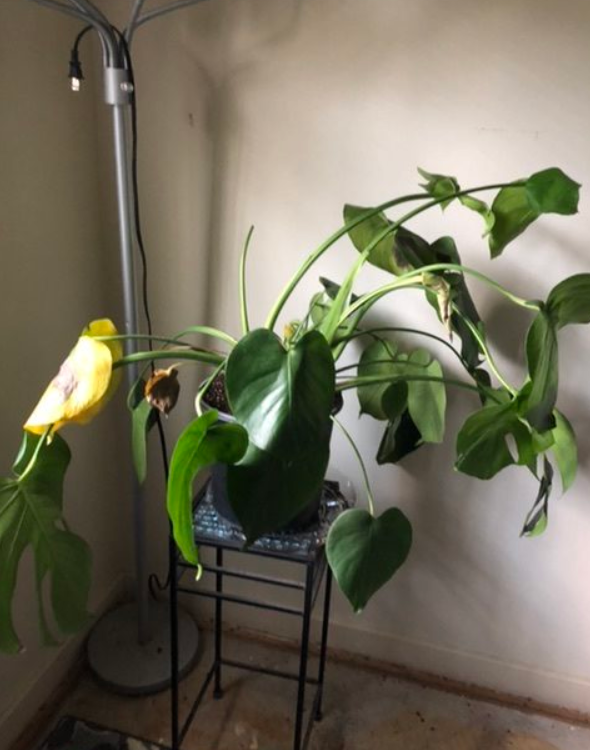
Visual identification: What do soft leaves look like compared to healthy leaves?
Healthy Monstera leaves should be firm, glossy, and resilient to gentle touch. When leaves become soft, limp, and droopy, it signals that they are losing turgor (the internal pressure that keeps plant cells firm). These leaves may feel almost mushy or flabby and can hang limply instead of standing upright.
Common causes overview: Overwatering, underwatering, root problems, pests, environmental stress
Several factors can cause your Monstera’s leaves to soften:
- Overwatering: Excess water drowns roots, causing root rot and poor oxygen flow.
- Underwatering: Dehydration makes leaves wilt and become limp.
- Environmental stress: Sudden temperature changes, drafts, or too little light.
- Pests and diseases: Damage from pests or fungal infections can compromise leaf health.
- Root issues: Root rot or compacted soil can hinder nutrient and water uptake. Understanding these causes is essential for accurate diagnosis and effective treatment.
Section 2: Diagnosing the Exact Cause
Follow these steps to determine why your Monstera has soft leaves:
Cause 1: Overwatering leading to root rot and poor oxygenation
- Symptoms: Mushy, yellowing or brownish soft leaves, soggy soil, foul smell.
- How to confirm: Gently remove the plant from its pot to inspect the roots; rotted roots are black or brown, slimy, and smell foul.
- Why it happens: Excess watering creates anaerobic conditions, encouraging fungal growth.
Cause 2: Underwatering causing dehydration and wilted leaves
- Symptoms: Dry, crispy soil; leaves feel limp and droopy; soil pulls away from pot edges.
- How to confirm: Check soil moisture with your finger or a moisture meter; dry soil indicates underwatering.
- Why it happens: The plant isn't receiving enough water to maintain turgor pressure.
Cause 3: Environmental stress such as improper light or drafts
- Symptoms: Wilting and soft leaves, especially if placed in direct sunlight or near drafts.
- How to confirm: Observe lighting conditions—Monsteras prefer bright, indirect light—and check for drafts or sudden temperature shifts.
- Why it happens: Stress pushes the plant to conserve moisture, resulting in limp leaves.
How to tell which cause applies to your plant: Checking soil moisture, root health, and environmental factors
Quick checklist:
- Touch the soil: Is it soggy or bone dry?
- Inspect roots: Are they brown, black, or mushy?
- Assess environment: Is the plant in bright, indirect light? Any drafts or temperature swings? Matching these clues to symptoms helps pinpoint the exact issue.
Section 3: Treatment Solutions
Immediate actions: Adjust watering schedule, prune damaged areas, improve conditions
-
Assess watering:
-
If soil is soggy: Allow it to dry out before watering again.
- If soil is dry: Water thoroughly, ensuring excess drains out.
-
Prune damaged leaves:
-
Use clean, sharp scissors or pruning shears.
- Remove leaves that are mushy, yellow, or brown to prevent disease spread.
-
Improve environmental conditions:
-
Move the plant to bright, filtered light.
- Keep away from drafts or sudden temperature shifts.
-
Address pests if present:
-
Inspect leaves and stems; treat with neem oil or insecticidal soap if needed.
Long-term treatment plan
- Repot if root rot is present:
- Gently remove the plant and wash roots.
- Cut away rotted roots with sterile tools.
- Use a well-draining soil mix like Aroid or cactus mix.
- Choose a pot with drainage holes.
- Adjust watering practices:
- Water only when the top inch of soil feels dry.
- Bottom watering encourages deep, healthy roots.
- Maintain proper humidity:
- Use a humidifier or pebble tray if air is dry.
- Use natural remedies for fungal issues:
- Apply neem oil weekly.
- For root rot, dilute hydrogen peroxide (1 part peroxide to 4 parts water) and water lightly into the soil.
Recovery timeline
- You might see initial signs of improvement within 1-2 weeks.
- Full recovery of soft, limp leaves can take 1-3 months, depending on initial severity.
- Keep monitoring, and gradually adjust care based on your plant’s response.
Section 4: Prevention Tips
Prevent future soft leaves with these practical care tips:
- Consistent watering routine:
- Water only when the top inch of soil is dry.
- Use a moisture meter if unsure.
- Bottom watering helps prevent overwatering.
- Environmental monitoring:
- Ensure bright, indirect light—North or east-facing windows are ideal.
- Avoid drafts, sudden temperature drops, and direct sunlight.
- Healthy soil and pot drainage:
- Use a well-draining mix suited for Monsteras—rich in organic matter but with good aeration.
- Pots should have drainage holes to prevent waterlogging.
- Regular inspection:
- Check leaves for pests or early stress signs.
- Quarantine new plants before introducing them to your collection.
Frequently Asked Questions
Q: How long until I see improvement in my Monstera after adjusting watering?
A: Usually within 1-2 weeks, as the plant re-establishes proper water uptake and healing begins.
Q: Can my plant fully recover from root rot if caught early?
A: Yes! If you identify and treat root rot early—by trimming damaged roots and repotting—you can restore your Monstera’s health and prevent long-term damage.
Q: Should I prune all the soft or damaged leaves immediately?
A: It's best to remove severely mushy or yellowed leaves to prevent disease spread and encourage new, healthy growth. However, leave slightly wilted leaves that are still firm, as they may recover.
Conclusion
Key Takeaways:
- Soft leaves on your Monstera deliciosa are often a sign of underlying watering or environmental issues.
- Immediate steps include inspecting soil moisture, adjusting watering schedules, pruning damaged leaves, and improving lighting.
- Long-term success depends on consistent care, proper soil, and environment management.
- With patience and attentive care, your Monstera can recover and regain its lush vibrancy. Remember, every plant is unique, and slight adjustments may be needed based on your specific environment. Trust your observations, follow these tailored solutions, and soon your Monstera will be thriving again! Happy plant parenting! Your Monstera’s new healthy, vibrant leaves are just around the corner.