Learn how to identify, diagnose, and treat black spots on your Calathea with practical tips for recovery and prevention. Keep your plant healthy and vibrant! If you’re a proud Calathea owner, you’ve probably noticed those unsettling black spots on your beloved plant’s leaves. Don’t panic—this is a common issue among indoor plant enthusiasts and can often be fixed with proper care. Understanding the causes of black spots, diagnosing the specific problem, and applying effective treatments will help your Calathea regain its health and beauty. With patience and the right approach, your plant can thrive again.
Understanding the Problem
Black spots on Calathea leaves are often startling, but recognizing their appearance and causes is the first step toward recovery.
Visual Identification: Recognizing Black Spots and Their Appearance
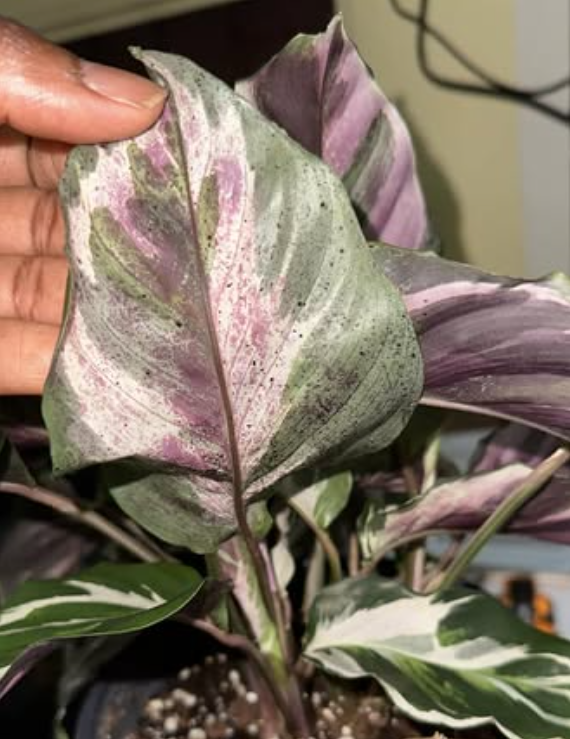
Black spots usually appear as irregular, dark patches on the surface of the leaves. They may be small or large, sometimes spreading quickly if untreated. These spots often have a slightly sunken or wet look and can be surrounded by yellowing or wilting tissue. The key signs include:
-
Dark, irregular patches or lesions
-
Spots that may enlarge over time
- Accompanying yellowing or browning around the spots
- Spread across multiple leaves if ignored
Common Causes Overview: Fungal Infections, Overwatering, Low Humidity, or Underlying Pests
Several factors can contribute to black spots, including:
- Fungal infections: Often caused by leaf spot fungi thriving in humid, damp conditions.
- Overwatering and poor drainage: Excess water can lead to root rot, which manifests as black spots on leaves.
- Low humidity and environmental stress: Dry air or sudden changes in environment stress the plant, making it susceptible.
- Pests and physical damage: Pests like thrips or spider mites can cause spots, and physical injuries can also result in necrotic tissue. Understanding these causes will guide you toward the appropriate diagnosis and treatment.
Diagnosing the Exact Cause
Diagnosing the specific reason behind black spots is crucial for effective treatment. Follow these steps to identify whether fungal infection, watering issues, or environmental factors are the culprit.
Cause 1: Fungal Infections, Particularly Leaf Spot Fungi
Fungal infections usually present as irregular black or brown patches with fuzzy margins. They thrive in moist, poorly ventilated conditions. If you notice fuzzy spores or a cotton-like texture around the spots, fungi might be the cause.
Cause 2: Overwatering or Poor Drainage Leading to Root and Leaf Issues
Overwatering causes roots to suffocate and decay, which transfers stress to the leaves, causing black spots. Check for:
- Soil that remains soggy or waterlogged
- Root rot symptoms when repotting, such as foul smell or brown, mushy roots
Cause 3: Environmental Stress, Such as Low Humidity or Inconsistent Watering
Dry air can cause leaf tips and margins to turn black, spreading into spots. Sudden temperature drops and insufficient airflow can also stress your plant.
How to Tell Which One It Is: Inspection Tips, Moisture Checks, and Signs to Look For
- Inspect leaves closely: Are there fuzzy or mold-like patches? Fungal.
- Check soil moisture: Is soil excessively wet? Overwatering likely.
- Examine roots: When repotting, roots should be white and firm—brown or black roots indicate rot.
- Assess environment: Is humidity below 50%? Is there proper air circulation? A combination of these observations will help pinpoint the primary cause.
Treatment Solutions
Once you identify the cause, you can implement targeted remedies to restore your Calathea’s health.
Immediate Actions to Take
- Remove affected leaves: Carefully prune and dispose of blackened leaves to prevent spread.
- Adjust watering habits: Let the top inch of soil dry out before watering again.
- Improve airflow: Increase air circulation around your plant to reduce humidity buildup.
- Isolate the plant: If fungus is suspected, keep it away from other healthy plants.
Long-Term Treatment Plan
- Apply natural remedies: Use neem oil or a copper-based fungicide to combat fungal infections. Follow product instructions carefully.
- Repot if necessary: Use well-draining soil mix designed for Calatheas. Ensure the pot has adequate drainage holes.
- Monitor and maintain proper humidity: Aim for 60-70% humidity, using a humidifier or pebble trays filled with water.
- Consistent watering schedule: Water only when the topsoil feels dry, avoiding over-saturation.
What to Expect During Recovery
Initially, you might see some leaves yellowing or shedding, but new, healthy leaves should appear over time. Patience is key—healing may take several weeks, but consistent care will lead to a thriving plant once again.
Prevention Tips
Preventing black spots is as important as treating existing ones. Here are the essential tips:
Care Routine Adjustments
- Avoid overwatering: Stick to a regular schedule, checking soil moisture before watering.
- Use proper watering techniques: Water deeply but infrequently, allowing excess to drain.
- Clean leaves regularly: Remove dust and debris to reduce fungal spores and pests.
Environmental Factors to Monitor
- Maintain adequate humidity: Use humidifiers or grouping plants together.
- Improve air circulation: Ensure your plant is not in stagnant air zones.
- Place your Calathea in a stable environment: Avoid sudden temperature fluctuations and drafts. By maintaining optimal conditions, you can significantly reduce the risk of black spots and other maladies.
Conclusion
Black spots on your Calathea can be a sign of underlying issues like fungal infections, overwatering, or environmental stress. The good news is that, with proper diagnosis, targeted treatment, and preventive care, your plant can recover and flourish again. Stay attentive to your Calathea’s needs, remove affected leaves promptly, and adjust care routines accordingly. Remember, patience and consistency are your best allies on the path to a healthy, vibrant plant. Your Calathea has the potential to bounce back—keep caring, and it will reward you with stunning greenery!
Q: How long until I see improvement after treatment?
A: Typically, you can expect to notice signs of recovery within 2 to 4 weeks. New, healthy leaves should emerge as the plant heals, especially if you maintain optimal watering and environmental conditions.
Q: Will my Calathea fully recover from black spots?
A: Many Calatheas recover completely, but it depends on the severity of the damage and how quickly you act. Early intervention provides the best chance for full recovery.
Q: Should I prune all affected leaves or only the damaged parts?
A: It's best to prune away all leaves with black spots to prevent the spread of disease and encourage new healthy growth. Use sterilized pruning shears to make clean cuts.
If your Calathea continues to show signs of distress, don’t hesitate to seek advice from plant care professionals or local gardening groups. With diligent care, your indoor jungle will stay lush and vibrant!