Discover why your Anthurium has sticky leaves and learn effective solutions and prevention tips to restore your plant's health and beauty.
Introduction
Noticing sticky leaves on your Anthurium can be worrying, especially when you cherish this vibrant, tropical houseplant. It may seem like a sudden problem, but rest assured—this is a common issue with straightforward causes and remedies. With a little careful observation and some simple care, you can help your Anthurium recover and flourish once again. In this article, we’ll explore why is my Anthurium having sticky leaves?—from identifying symptoms to diagnosing the root cause, and most importantly, how to treat and prevent this sticky situation effectively. Whether you’re a beginner or an intermediate plant enthusiast, understanding these common issues will empower you to give your Anthurium the best care possible.
Section 1: Understanding the Problem
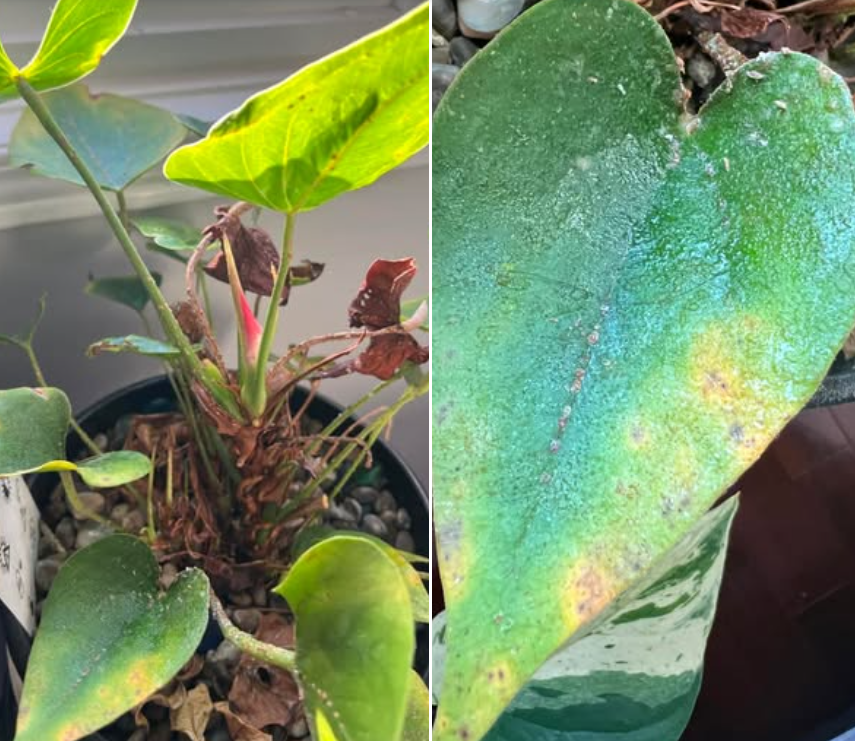
Visual identification of sticky leaves and associated symptoms
Sticky leaves on your Anthurium typically appear as a glossy or shiny film coating the leaf surface. You might notice a sticky residue that feels tacky when touched, often accompanied by the presence of small insects or sooty mold if pests are involved. Sometimes, the leaves may appear dull, with a sticky sheen that’s hard to wipe off.
Common causes overview, including pest activity, sap excretion, and environmental factors
Several factors can cause sticky leaves in Anthuriums, including:
- Pest infestations such as scale insects, mealybugs, or aphids.
- Sap excretion due to plant stress, injury, or environmental conditions.
- Environmental factors like high humidity or excessive watering that trigger sap secretion. Understanding these causes is vital for choosing the right treatment and preventing future issues.
Section 2: Diagnosing the Exact Cause
Follow a step-by-step process to determine what’s causing the sticky residue
Accurate diagnosis involves careful inspection and observation:
Cause 1: Sap secretion due to stress or injury
- Look for signs of physical damage, such as broken stems or leaf tears.
- Check if the plant has been exposed to sudden temperature changes or drafts.
- Observe if the sticky residue is localized around wound sites.
Cause 2: Pest infestation, such as scale insects or mealybugs
- Examine the undersides of leaves and stems closely.
- Look for tiny, oval-shaped pests (scale) that cling tightly to plant surfaces.
- Spot white, cottony, or waxy coatings (mealybugs).
Cause 3: Environmental factors leading to sap excretion
- Consider if the plant is in a humid environment or overwatered.
- Note if the plant is under stress from improper watering, lighting, or temperature.
How to tell which cause applies to your plant
- Presence of pests: Small insects or cottony residues point to pest issues.
- Physical damage or stress signs: Wounds or environmental stress signs suggest sap excretion.
- Location of residue: Widespread sticky residue may indicate pest infestation, while localized sticky spots might be injury-related.
Section 3: Treatment Solutions
Apply targeted fixes based on the diagnosed cause
Immediate actions: cleaning leaves, removing pests, adjusting watering
- Gently wipe the leaves with a soft, damp cloth to remove sticky residue.
- If pests are visible, manually remove them with a soft brush or a cotton swab dipped in alcohol.
- Adjust watering habits: avoid overwatering and ensure proper drainage.
Long-term treatment: natural remedies like neem oil or insecticidal soap, chemical treatments if necessary
- For pest control, spray neem oil or insecticidal soap on affected areas, following label instructions.
- Repeat treatments weekly until pests are eradicated.
- If pests persist, consider using horticultural oils or chemical insecticides as a last resort, always following safety guidelines.
Monitoring recovery and ensuring plant health
- Continue regular inspections.
- Maintain optimal watering, light, and humidity conditions.
- Fertilize appropriately to strengthen your plant’s defenses.
Section 4: Prevention Tips
Prevent future sticky leaf issues with proper care routines
Adjusting watering habits and avoiding overwatering
- Water only when the top inch of soil feels dry.
- Ensure pots have adequate drainage to prevent waterlogging.
Maintaining optimal environmental conditions: humidity, temperature, light
- Keep humidity levels between 60-80% for ideal Anthurium growth.
- Place your plant in bright, indirect light.
- Avoid sudden temperature fluctuations and drafts.
Regular inspection for pests and early intervention
- Check your plant weekly for signs of pests or stress.
- Early detection helps prevent infestations from spreading and reduces the need for chemical treatments.
Conclusion
Sticky leaves on your Anthurium are usually manageable with proper diagnosis and targeted treatment. Most issues stem from pests, sap excretion, or environmental stress, and with attentive care, your plant can recover beautifully. Remember, most problems are solvable, and your Anthurium can bounce back with patience and consistent attention. Start by inspecting your plant carefully, identifying the root cause, and following the appropriate treatment plan. Your lush, healthy Anthurium is just a few steps away!
FAQ
Q: How long until I see improvement after treatment?
A: Typically, you should notice a reduction in sticky residue within a week after starting treatment. Visible pest insects should diminish over several days with repeated applications, and new, healthy growth will become evident within a few weeks.
Q: Can my Anthurium recover fully from sticky leaves?
A: Yes, most Anthuriums can fully recover if the cause is addressed promptly. Removing pests, reducing stress, and maintaining proper care will help restore your plant’s health and appearance.
Q: Should I prune parts of my plant affected by pests or sap?
A: Pruning heavily infested or damaged parts can help prevent disease spread and encourage healthy new growth. Use clean, sharp tools, and disinfect pruners afterward to avoid transferring pests or pathogens.
By understanding the causes behind why is my Anthurium having sticky leaves?, you can confidently take the right steps to care for your beloved plant. With patience and proper attention, your Anthurium will regain its vibrant, glossy leaves and continue to brighten your indoor space.