Quick Summary: Brown tips on your Snake Plant can be due to various factors like improper watering, low humidity, or salt buildup. Fortunately, by diagnosing the cause and adjusting your care routine, you can restore your plant’s vibrant, healthy appearance with simple, effective steps.
Introduction
Noticing brown tips on your Snake Plant (Sansevieria) can be worrying—you're emotionally invested in your plant’s health, and seeing those crispy edges makes you wonder if you're doing something wrong. The good news is that brown tips are a common issue that many plant parents experience, and they’re often easy to fix with a bit of knowledge and care adjustments. Whether caused by overwatering, dry indoor air, or salt buildup, these issues are manageable, and your Snake Plant can bounce back beautifully. In this guide, I’ll walk you through understanding why brown tips appear, how to diagnose the root cause, and step-by-step solutions you can implement right away. By following these tips, you’ll help your Snake Plant regain its strength, show off its striking, upright leaves, and continue to bring natural beauty into your home.
Section 1: Understanding the Problem
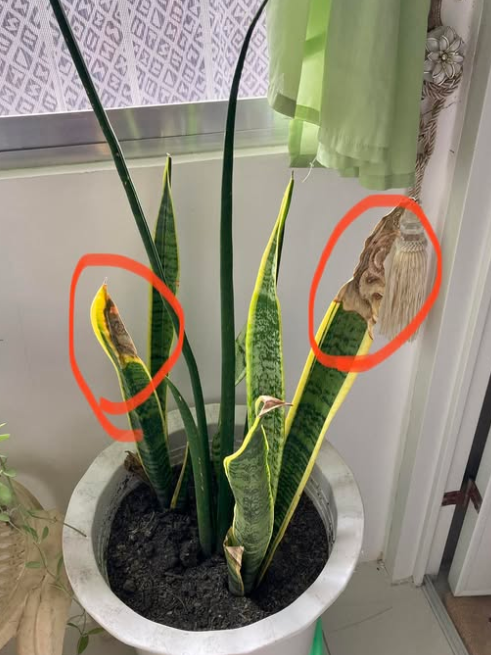
Brown tips on Snake Plant leaves are a typical sign of underlying care issues or environmental stresses. Usually, they appear as dry, crispy edges at the ends of leaves with a brown or tan hue. This symptom can be easy to notice but can hide different causes.
Visual identification of brown tips and affected leaves
- Sharp, dry, crispy edges at the leaf tips
- Tips may be brown, tan, or sometimes even black
- The rest of the leaf often looks healthy and green
- Sometimes, you might notice some yellowing or drooping if the problem has been ongoing
Common causes overview including watering habits, low humidity, salt buildup, and lighting issues
Over- or Under-Watering: One of the top reasons for brown tips, especially if the soil is either too soggy or bone dry. Dry Indoor Air / Low Humidity: This affects the leaf tips, making them brittle and prone to browning. Salt and Mineral Buildup: Excess salts from fertilizer or tap water can accumulate in the soil, causing tip burn. Lighting Issues: Too little light can weaken the plant and make it more susceptible to stress, while too much direct sunlight can scorch the leaves. Understanding these causes will help you confidently diagnose your plant’s needs and make targeted fixes.
Section 2: Diagnosing the Exact Cause
Follow these step-by-step diagnostic tips to find out what’s causing the brown tips on your Snake Plant:
Cause 1: Over- or Under-Watering — Check soil moisture and watering frequency
- Symptoms: Soft, soggy soil or extremely dry, cracked soil. Brown tips persist despite your watering habits.
- How to confirm:
- Touch the soil about 1-2 inches deep; it should feel dry between waterings for Snake Plants.
- Check pot drainage—excess water should drain easily.
- Why it happens: Overwatering causes root rot, leading to stress and tip browning; underwatering causes dehydration, and tips crack and brown as cells dry out.
Cause 2: Low Humidity or Dry Air — Observe indoor humidity levels and leaf dryness
- Symptoms: Leaf tips look crispy and brittle, especially in winter months.
- How to confirm:
- Use a hygrometer to measure indoor humidity; ideal levels are 40-60%.
- Examine the leaf tips—more brittle and dry indicates low humidity.
- Why it happens: Snake Plants prefer moderate humidity; dry air draws moisture from the leaves, causing tips to turn brown.
Cause 3: Salt and Mineral Buildup — Examine the soil and pot for salt deposits
-
Symptoms: White crusty residue on top of or around the soil; brown tips that won’t recover with normal watering.
-
How to confirm:
- Look closely for salt deposits on the soil surface or around the pot rim.
- If you’ve been fertilizing frequently or using tap water high in minerals, this is likely.
- Why it happens: Fertilizer salts and minerals from tap water accumulate over time, causing tip burn.
How to tell which cause is affecting your plant:
Use this quick checklist: | Question | Observations | Likely Cause | |--------------|----------------|------------------| | Is the soil soggy or bone dry? | Soggy or very dry soil | Over- or Under-watering | | Is the indoor air dry? | Leaf tips are brittle, crispy | Low humidity | | Is there white crust on the soil surface? | Salt deposits visible | Salt buildup from fertilizer or water | | Is the plant placed in direct, harsh sunlight? | Leaves look scorched or brown at the edges | Sunburn | By answering these questions, you’ll pinpoint the cause and begin effective treatment.
Section 3: Treatment Solutions
Once you’ve diagnosed the cause, it’s time to act! Here are tailored solutions to revitalize your Snake Plant.
Immediate actions (First 24-48 hours):
-
Adjust Watering:
-
If overwatered: Allow soil to dry completely before watering again. Check drainage to ensure excess water escapes.
- If underwatered: Water thoroughly, but only after the top inch of soil feels dry.
-
Flush Salt Buildup:
-
Water your plant with plenty of plain, room-temperature water until runoff, flushing out accumulated salts.
- Do this every 4-6 weeks if salt buildup persists.
-
Increase Humidity:
-
Place a humidity tray or small bowl of water near the plant.
- Use a room humidifier in dry winter months.
Step-by-step long-term care adjustments:
-
Water Properly:
-
Water only when the soil is dry to the touch at 1-2 inches depth.
- Usually, watering every 2-6 weeks depending on your environment.
-
Use appropriate fertilizer:
-
Feed with a balanced, diluted cactus or succulent fertilizer during the spring and summer.
- Avoid overfeeding—once a month is enough.
-
Improve light conditions:
-
Place your Snake Plant in bright, indirect sunlight or in a well-lit corner.
- Avoid harsh, direct afternoon sun that can scorch leaves.
-
Monitor indoor humidity:
-
Keep humidity levels moderate; use a humidifier or pebble tray if the air is very dry.
During recovery:
- Prune brown tips: Use clean scissors to trim away crispy, brown leaf edges to encourage healthy new growth.
- Observe new growth: Healthy, firm, upright leaves are signs of recovery.
- Patience: It can take a few weeks to see significant improvement, especially if root damage was involved.
Section 4: Prevention Tips
Stay ahead of brown tips with these simple, proactive practices:
- Maintain consistent watering: Water only when the top inch of soil is dry. Avoid frequent, shallow watering.
- Use high-quality, well-draining soil: Succulent or cactus mixes prevent water retention.
- Avoid over-fertilizing: Feed once a month during growing season with dilute fertilizer; cease feeding in winter.
- Place in bright, indirect light: Snake Plants thrive in bright, filtered light.
- Increase humidity: Use a humidifier or pebble tray in dry, heated rooms.
- Flush soil regularly: Every couple of months, water deeply to remove salts and minerals. These habits keep your Snake Plant healthy, happy, and less prone to tip brownings in the future.
Frequently Asked Questions
Q: How long until I see improvement after fixing watering or humidity issues?
A: Typically, you can see new healthy growth within 3-6 weeks. Older brown tips may not recover, but new leaves will be greener and more vigorous.
Q: Can brown tips fully recover or will they stay brown?
A: Once tips are dried and crispy, they usually won’t turn green again. Trimming the brown tips encourages healthy growth but doesn’t reverse damage. Prevention is key to avoiding future browning.
Q: Should I prune the brown tips or leave them alone?
A: It’s best to prune brown tips with sterilized scissors to prevent further damage and encourage a tidy appearance. Only prune the brown, crispy parts—avoid cutting into healthy tissue.
Q: Is it safe to use natural remedies like neem oil or hydrogen peroxide on Snake Plants?
A: Yes, dilute solutions can help control pests or fungal issues. However, they are typically not necessary for brown tips caused by environmental stress. Use carefully and follow instructions.
Conclusion
Key Takeaways:
- Brown tips on Snake Plants are common and often reversible with proper care.
- Diagnosing the cause—whether overwatering, low humidity, or salt buildup—is essential.
- Simple fixes like adjusting watering, increasing humidity, and flushing salt deposits can greatly improve plant health.
- Regular preventive care, including proper watering, lighting, and soil maintenance, keeps your Snake Plant thriving.
- Patience and consistent attention will reward you with a resilient, beautiful plant. Remember, your Snake Plant is remarkably hardy and will respond positively to your thoughtful care. Apply these tips, monitor your plant’s progress, and don’t hesitate to prune the brown tips to promote fresh, healthy growth. With a bit of love, your Snake Plant will be standing tall and lush again in no time!
Happy plant parenting!