Struggling with white fuzz on your Alocasia? Discover diagnostic steps, natural and chemical remedies, and prevention tips to restore your plant's health. Indoor gardening is a rewarding hobby, especially when caring for stunning plants like Alocasia. However, seeing white fuzz on your beloved plant can be concerning. Don’t worry—this issue is common and entirely fixable with the right approach. In this guide, we’ll walk you through understanding what causes the white fuzz, diagnosing the problem accurately, treatment options, and how to prevent future occurrences. With prompt and gentle care, your Alocasia can bounce back and thrive again.
Understanding the Problem
White fuzz on Alocasia is often a sign of underlying issues, typically a fungal infection or mold caused by environmental factors. Early recognition of the symptoms is key to preventing further damage and ensuring a smooth recovery process.
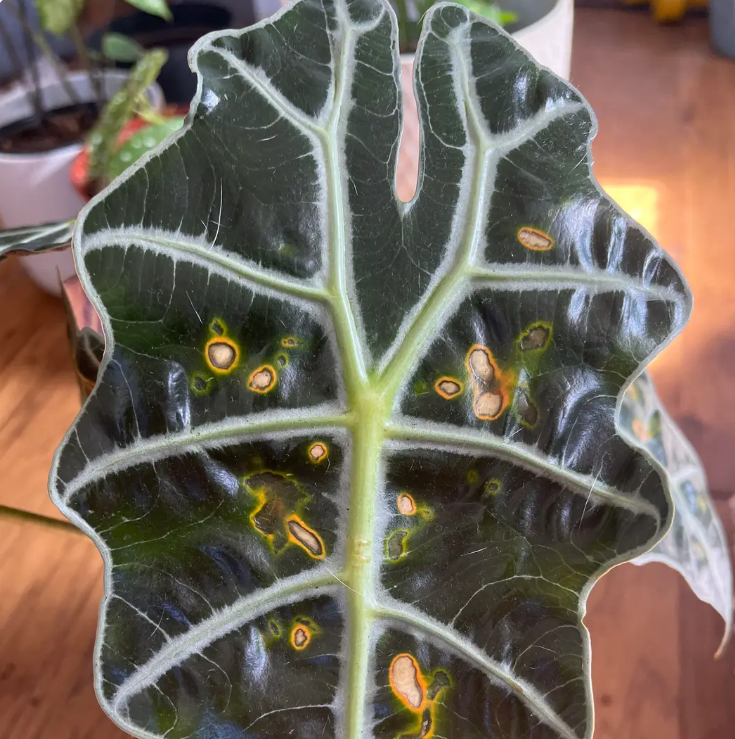
Visual Identification
White fuzz appears as fuzzy, powdery white patches on the leaves, stems, or even the soil surface. Sometimes, these patches are accompanied by other symptoms, such as leaf spots, curling, or drooping. Carefully inspect your plant, especially the undersides of leaves and stems, as these are common spots for mold or pest residue to hide.
Common Causes Overview
The most common causes of white fuzz on Alocasia include:
- Overwatering and excess humidity: These create a damp environment conducive to mold and fungal growth.
- Poor air circulation: Stagnant air allows mold spores to settle and proliferate.
- Previous pest infestations: Pests like mealybugs or mites can weaken plant tissue and leave behind residues that look like fuzzy mold.
- Inadequate sunlight: Low light levels can increase humidity and foster mold development.
Diagnosing the Exact Cause
Accurate diagnosis is vital to apply the most effective treatment. Follow these steps to identify what’s causing the white fuzz:
Cause 1: Fungal Infections
If the fuzz appears powdery and is spreading across the leaves, it may be a fungal condition such as powdery mildew or mold caused by high humidity and damp soil.
Cause 2: Pest Residue
Sometimes, what looks like white fuzz might actually be residual pest secretions, such as mealybugs or spider mites, which produce cottony or fuzzy excretions.
Cause 3: Environmental Factors
Poor airflow, stagnant air, or overly humid conditions can create the perfect environment for mold spores to thrive without direct pest activity.
How to tell which one it is:
- Examine leaves closely: Look for tiny insects or webs that indicate pests.
- Check the texture: Is the fuzz powdery or cottony? Powdery is often fungal, while cottony suggests pests like mealybugs.
- Assess watering habits: Has the soil been kept consistently moist? Are you watering excessively?
- Monitor humidity levels: Use a hygrometer to measure indoor humidity—values above 60% can promote mold growth.
Treatment Solutions
Once you've diagnosed the cause, it's time to implement targeted remedies. Remember, always handle your plant gently and prioritize natural methods when possible.
Immediate Actions
- Remove affected leaves: Carefully prune and discard heavily infested or moldy parts to prevent spread.
- Isolate your plant: Keep it away from other houseplants to avoid contamination.
- Clean the fuzz: Lightly wipe leaves and stems with a soft cloth or sponge soaked in lukewarm water mixed with a mild liquid soap to remove surface mold or residue.
Long-term Treatment Plan
- Address fungal issues: Apply a fungicidal spray suitable for houseplants, such as a mixture of neem oil or a commercially available fungicide. Follow the product instructions carefully.
- Combat pests: Use organic insecticidal soaps or neem oil to eliminate mealybugs or mites. Repeat treatments may be necessary.
- Improve air circulation: Place your Alocasia in a well-ventilated spot, use a small fan if needed, and ensure proper spacing between plants.
- Adjust watering habits: Let the top inch of soil dry out between waterings to inhibit mold growth.
What to Expect During Recovery
With consistent care, fungal spots may fade within a few weeks. New, healthy leaves will eventually replace damaged tissue, restoring your plant's beauty and vigor.
Prevention Tips
Prevention is always better than cure. Implement these practices to keep your Alocasia healthy and resistant to white fuzz issues:
Care Routine Adjustments
- Water judiciously: Avoid overwatering; ensure your pot has good drainage.
- Use well-draining soil: This prevents water from lingering around roots and reduces moisture buildup.
- Maintain proper humidity: While Alocasia loves humidity, try to keep it below 60% in indoor environments to prevent mold.
Environmental Factors to Monitor
- Improve airflow: Space your plants adequately and use fans if necessary to circulate air.
- Control humidity: Use a dehumidifier or ensure good ventilation to keep humidity levels in check.
- Provide sufficient light: Bright, indirect sunlight helps reduce humidity and promotes healthy growth.
Conclusion
White fuzz on Alocasia is often a symptom of fungal infection or pest residue, but with timely diagnosis and appropriate care, your plant can recover beautifully. The key steps are removing affected tissue, treating underlying issues with natural or chemical remedies, and optimizing environmental conditions. Consistent attention and preventive measures will keep your Alocasia healthy and vibrant for years to come. Remember, patience and gentle, informed care are your best tools in nurturing a resilient, thriving plant. Your efforts today will pay off with a lush, lush, and healthy Alocasia tomorrow.
FAQ
Q: How long until I see improvement after treatment?
A: Generally, you can expect to see the removal of fuzz and signs of recovery within 2-4 weeks. Patience is essential, especially when fighting fungal infections—consistent treatment and environmental adjustments will support faster healing.
Q: Will my Alocasia fully recover from the fuzz infection?
A: Yes, with proper care, most Alocasias can recover completely. New growth will replace affected tissue, and regular maintenance will help prevent recurrence.
Q: Should I prune or cut away the affected parts?
A: Yes, carefully prune and discard heavily infested or moldy leaves and stems. This reduces the spread of infection and encourages healthy new growth. Always sterilize your pruning tools before and after use to prevent infection transfer.
Your journey with your Alocasia doesn’t end with fixing the white fuzz—it's an opportunity to learn more about its needs and create an optimal environment for ongoing health. Stay observant, be proactive, and enjoy the lush beauty your plant has to offer!