Discover why your Calathea's leaves droop and learn effective troubleshooting and care tips to revive and prevent this common problem.
Introduction
Noticing your Calathea's leaves drooping can be worrying, especially since this beautiful foliage plant is known for its vibrant patterns and lush appearance. Drooping leaves are often a sign that something isn't quite right with your plant's environment or care routine. The good news is—most causes of drooping are fixable with some simple adjustments.
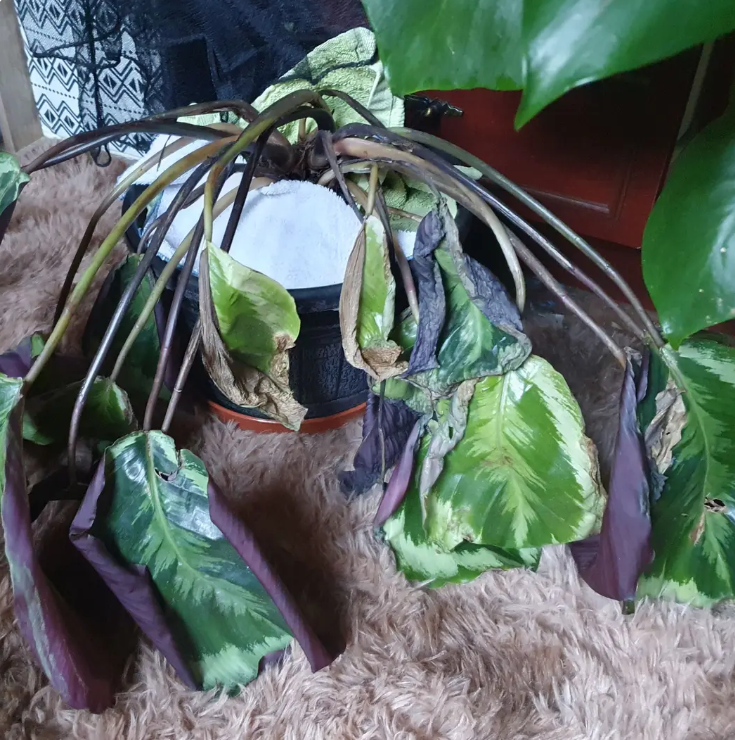
This article will help you identify why your Calathea's leaves are drooping, diagnose the root cause, and learn practical solutions to bring your plant back to life. With attentive care and a little patience, your Calathea can bounce back and thrive again, filling your indoor space with its stunning foliage.
Understanding the Problem: Drooping Calathea Leaves
Visual Identification of Drooping Leaves in Calathea
Drooping Calathea leaves typically look wilted or limp, sometimes appearing to sag or bend downward unnaturally. They may feel soft or floppy compared to their usual firm and vibrant state. You might notice the edges curling or that the leaves hang close to the soil, giving your plant a sad appearance. In healthy conditions, Calathea leaves are upright or slightly arching, with a sturdy feel. When they start drooping, it signals that the plant may be experiencing stress, often caused by watering issues, environmental stresses, or low humidity.
Common Causes Overview: Overwatering, Underwatering, Low Humidity, Light Stress
The primary causes of drooping leaves in Calathea are often related to:
- Overwatering or underwatering: Both can lead to water stress, causing leaves to wilt.
- Low humidity: Calatheas thrive in humid environments; if the air is dry, leaves may droop.
- Light stress: Too much direct sunlight can stress the leaves, leading to drooping, while too little light can weaken the plant overall. Understanding these common factors helps you identify and troubleshoot the issue effectively.
Diagnosing the Exact Cause of Drooping Leaves
To effectively revive your Calathea, it's essential to pinpoint the cause of the drooping. Follow these steps to diagnose what's affecting your plant:
Cause 1: Underwatering or Dehydration
If your Calathea has dry, crispy-looking leaves that droop, it might be underwatered. Shriveled leaves may feel brittle to the touch, and the soil will be dry several inches below the surface.
Cause 2: Overwatering or Root Issues
Conversely, overwatering can lead to soggy soil, root rot, and drooping leaves. In these cases, the soil may feel overly moist or smell musty. The leaves might be soft, limp, and sometimes yellowed or with brown patches.
Cause 3: Low Humidity and Environmental Stress
Calatheas prefer humidity levels around 60-80%. Low humidity near 30% or less causes leaves to lose turgor, resulting in drooping. Environmental stress from drafts, heat sources, or cold drafts can also contribute.
How to Tell Which Cause Applies to Your Plant
- Check soil moisture: Stick a finger about 2 inches into the soil. If dry, it's likely underwatering. If soggy, overwatering is probable.
- Inspect roots: Gently remove the plant from its pot to examine roots. Healthy roots are white and firm, while rotted roots are brown and mushy.
- Assess environment: Use a hygrometer to measure humidity. Observe the surroundings for drafts or direct sunlight.
Treatment Solutions: How to Revive Your Calathea
Once you've identified the cause, follow these targeted care steps to restore your plant's health:
Immediate Steps: Adjust Watering and Increase Humidity
- For underwatered plants: Water thoroughly until excess drains out, ensuring the soil is evenly moist—not soggy.
- For overwatered plants: Allow the soil to dry out completely before watering again. Remove any root rot by trimming affected roots and repot in fresh, well-draining soil.
- Boost humidity: Increase moisture around your plant by using a humidifier, placing a tray with water and pebbles nearby, or grouping your plants together.
Long-term Care Plan: Proper Watering Schedule, Humidity Management, and Light Adjustment
- Establish a consistent watering routine: Check soil moisture regularly, watering when the top inch feels dry.
- Maintain optimal humidity: Keep humidity levels above 50% for best results.
- Adjust lighting: Place your Calathea in bright, indirect light. Avoid direct sunlight, which can scorch the leaves, causing stress and drooping.
What to Expect During Recovery: Signs of Improvement
With proper care, drooping leaves should start perking up within a few days to a week. You might notice new growth and healthier, more rigid foliage. Patience and consistent maintenance are key.
Prevention Tips to Keep Your Calathea Healthy
Prevention is always better than cure. Implement these strategies to avoid future drooping:
Consistent Watering and Proper Soil Moisture
- Use well-draining soil to prevent waterlogging.
- Water only when the top layer of soil feels dry.
- Use your finger or a moisture meter to monitor soil moisture levels regularly.
Maintaining Optimal Humidity Levels
- Use a humidifier in dry indoor spaces.
- Group plants together to create a microenvironment with higher humidity.
- Mist the leaves regularly, especially during winter months.
Proper Lighting Conditions
- Place your Calathea near east or north-facing windows with filtered light.
- Use sheer curtains to diffuse direct sunlight.
- Avoid sudden changes in light exposure.
Monitoring and Adjusting Environmental Factors
- Keep an eye on temperature and drafts.
- Avoid placing your Calathea near heating vents, air conditioners, or cold drafts.
- Regularly check humidity and adjust as needed.
Conclusion
Recapped: Identify the cause, implement targeted care, and prevent future drooping.
Understanding why is my Calathea having drooping leaves is the first step toward effective recovery. By diagnosing whether the issue is underwatering, overwatering, low humidity, or light stress, you can tailor your care routine to your plant’s needs.
Encouragement
Don’t worry—most drooping issues are reversible with attentive care. Calatheas are resilient and can bounce back with proper environment adjustments and consistent watering.
Next Steps
Apply these troubleshooting tips, fine-tune your plant care routine, and watch your Calathea regain its vibrant, healthy appearance. With a little patience and care, your beautiful indoor garden companion will thrive once again.
FAQ
Q: How quickly can I expect my Calathea to recover after addressing drooping?
A: Typically, you can see signs of improvement within 3 to 7 days after correcting watering habits and humidity. New, firm leaves may start to emerge, and existing leaves should regain some stiffness. Full recovery depends on the severity of stress and how promptly you act.
Q: Can overwatering cause permanent damage to my Calathea?
A: Overwatering can lead to root rot, which, if left untreated, can cause permanent damage and threaten the plant's survival. If caught early, removing affected roots and repotting in well-draining soil can save your plant. Prevention through proper watering is key.
Q: What are the best ways to increase humidity for my Calathea at home?
A: To increase humidity, use a humidifier in the room, place a shallow tray filled with water and pebbles beneath your plant, group multiple plants together, or mist the leaves regularly. Ensuring consistent humidity helps keep your Calathea lush and vibrant.
Your indoor gardening journey with Calathea can be rewarding. By paying close attention to your plant’s needs and adjusting your care routine accordingly, drooping leaves will become a thing of the past. Keep nurturing, and enjoy your flourishing indoor jungle!