Struggling with leggy ZZ plant growth? Discover practical tips to diagnose, fix, and prevent this common issue for a healthier, fuller ZZ plant.
Introduction
Noticing your ZZ plant’s stems are stretching out and looking sparse? You’re not alone—leggy growth is a common issue among indoor plant lovers. While it can be disheartening to see your once lush plant become elongated and sparse, the good news is that this problem is often fixable with some understanding and minor adjustments. This article will explore why ZZ plants become leggy, how to accurately diagnose the cause, effective treatment options, and simple prevention tips. With the right care, your ZZ plant can recover quickly and thrive as a beautiful, bushy focal point in your home.
Section 1: Understanding the Problem
How Does Leggy Growth Manifest in ZZ Plants?
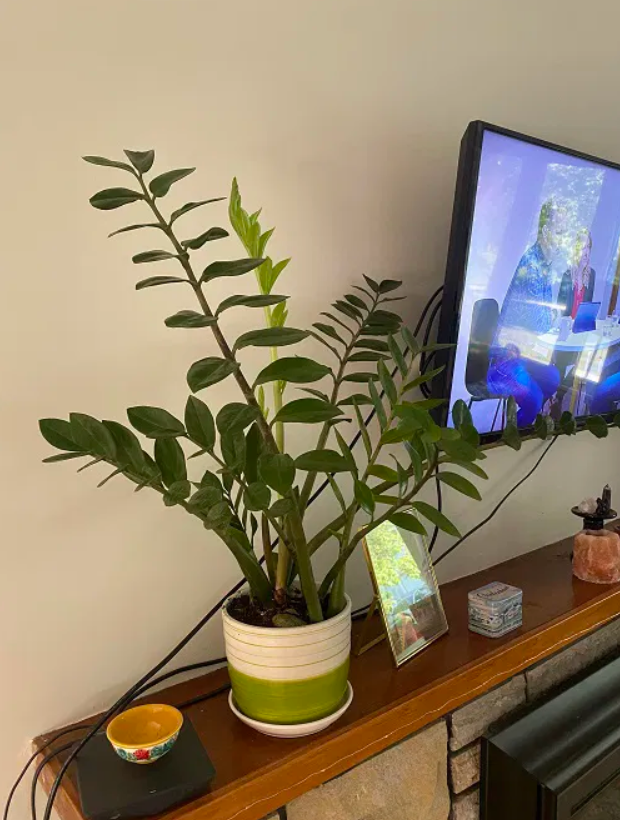
Leggy ZZ plants exhibit long, thin stems with sparse leaves, giving an overall appearance of legginess or stretchiness. Instead of having dense, compact foliage, the plant’s stems seem to stretch toward light sources, leaving gaps and a less desirable bushy shape.
Common Causes Overview
- Insufficient Light: ZZ plants prefer bright, indirect light but can become leggy when they don’t receive enough. They instinctively stretch toward sources of light, resulting in elongated stems.
- Overwatering: Excessive watering weakens roots, sometimes causing the plant to focus on reaching for light for survival, which encourages leggy tendrils.
- Nutrient Deficiency: Lack of essential nutrients, especially nitrogen, can result in weak, spindly growth as the plant struggles to develop healthy foliage. Understanding these causes helps you take targeted action to bring your ZZ plant back to a healthy, full shape.
Section 2: Diagnosing the Exact Cause
Step-by-Step Guide to Pinpoint the Cause of Leggy Growth
Cause 1: Insufficient Light—ZZ plants need bright, indirect light to thrive
- Observation: Does your plant sit in a dim corner or receives less than 4-6 hours of filtered sunlight daily?
- Signs: Elongated stems, sparse leaves, and an overall lanky appearance suggest low light conditions.
Cause 2: Overwatering or Poor Watering Habits—Weak, elongated stems result from root issues
- Observation: Are the stems soft, limp, or discolored? Are the leaves yellowing or dropping?
- Signs: Overly moist soil, a foul smell, or root rot indicate overwatering as a culprit.
Cause 3: Nutrient Deficiencies—Lack of fertilization leads to weak, spindly growth
- Observation: Has your plant not been fed in months? Are the leaves small or pale?
- Signs: Stunted or leggy growth with pale foliage can indicate nutrient gaps.
How to Determine Your Plant’s Cause
- Environmental review: Check where your ZZ plant is placed—is it near a window or in a dull corner?
- Watering habits: Review your watering schedule—are you watering too frequently or too little?
- Fertilization routine: Consider how often you've fed your plant and whether it’s been consistent.
By observing these factors, you can identify whether your plant's leggy growth is due to light, watering, or nutrient issues.
Section 3: Treatment Solutions
Immediate Actions for Quick Improvement
- Increase Light: Move your ZZ plant closer to a bright, indirect light source such as a north- or east-facing window. If natural light is limited, consider supplementing with grow lights.
- Adjust Watering: Let the soil dry out between waterings to prevent overwatering. Ensure the pot has drainage holes to prevent waterlogging.
- Fertilize: Use a balanced, diluted houseplant fertilizer once a month during the growing season to provide necessary nutrients.
Long-term Treatment Plan
- Consistent fertilization: Keep a regular feeding schedule with appropriate fertilizer to promote bushier growth.
- Proper watering routine: Adopt a watering schedule aligned with the plant's needs, typically once every 2-3 weeks.
- Use grow lights if needed: If natural light remains limited, install a grow light to provide consistent brightness for your ZZ plant.
Additional Remedies
- Pruning leggy stems: Using clean scissors or pruning shears, trim the elongated stems back to promote bushier growth. This encourages the plant to produce new, healthier shoots.
- Repotting if rootbound: If roots are circling tightly or the soil appears compacted, repot your ZZ plant into a slightly larger container with fresh, well-draining soil.
- Natural fertilizers: Consider organic options like compost tea or fish emulsion to nourish roots gently. Implementing these treatment strategies can quickly restore vigor and density to your ZZ plant.
Section 4: Prevention Tips
Care Routine Adjustments
- Monitor lighting regularly: Ensure your ZZ plant receives bright, indirect light. Rotate the plant every few weeks to promote even growth.
- Adopt an appropriate watering schedule: Always check the top inch of soil; water only when dry to prevent overwatering.
Environmental Factors
- Maintain suitable humidity: ZZ plants prefer moderate humidity. Keep away from drafts or heating vents that dry out the environment.
- Avoid drafts: Sudden temperature changes can stress the plant and exacerbate legginess.
Ongoing Fertilization and Pruning
- Regular fertilization: Feed during the active growing season to support dense, healthy foliage.
- Pruning and trimming: Periodically prune to remove leggy stems, encouraging bushier growth and maintaining an attractive shape. By establishing these preventive habits, you can keep your ZZ plant looking full, vibrant, and healthy year-round.
Conclusion
Recap of Key Points
Leggy ZZ plants typically stem from insufficient light, overwatering, or nutrient deficiencies. Diagnosing these causes involves careful environmental observation and watering habits review. The fixes—improving lighting, adjusting watering, fertilizing properly, pruning, and repotting—can rejuvenate your plant’s appearance.
Encouragement
Remember, with attentive care and timely intervention, your ZZ plant can recover quickly and flourish as a lush, compact green centerpiece in your home. Don’t be discouraged—every plant adjustment is a step toward a thriving indoor garden!
Next Steps
Implement the recommended care adjustments, monitor your plant’s response, and keep up with ongoing maintenance. Over time, you’ll enjoy a healthier, more beautiful ZZ plant that rewards your efforts.
Q: How long until I see improvement after changing light and watering?
A: Typically, you can expect to see noticeable growth improvements within 4-6 weeks. Stem length may stabilize, and new leaves should begin to appear once optimal conditions are restored.
Q: Can pruning encourage bushier growth in a leggy ZZ plant?
A: Absolutely! Pruning leggy stems encourages the plant to produce new shoots and fill out, resulting in a denser, more attractive appearance.
Q: Are natural remedies sufficient, or should I consider chemical fertilizers?
A: Natural fertilizers like compost tea or fish emulsion are gentle, effective options for maintaining healthy growth. For rapid results or if deficiencies are severe, a balanced chemical fertilizer can supplement your routine. Always follow recommended dilution rates to avoid overfeeding.
With these insights and actionable tips, you’re well on your way to fixing your ZZ plant’s legginess and nurturing it back to full, vibrant health. Happy gardening!