Struggling with yellow leaves on your Pothos? You're not alone. Many indoor plant enthusiasts experience this common issue, especially with one of the easiest and most popular houseplants—the Pothos. Yellowing leaves can signal various underlying problems, but don't worry! With some careful observation and simple adjustments, your plant can recover beautifully. This comprehensive guide will help you understand why is my Pothos having yellow leaves?, how to accurately diagnose the cause, and provide clear, actionable solutions to bring back your plant’s vibrant green foliage. Rest assured, your Pothos has the potential to bounce back with a little care and attention.
Section 1: Understanding Why Pothos Leaves Turn Yellow
Visual identification of yellow leaves on Pothos
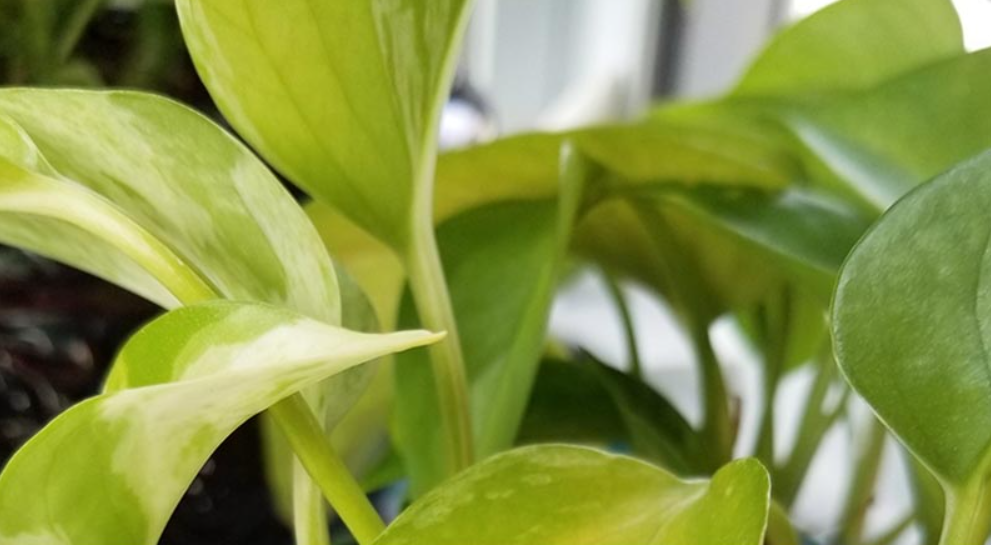
Yellow leaves on Pothos often appear as bright, lemon-yellow patches or may be more uniform across the leaf surface. Sometimes, the leaves turn a dull, pale hue before brown spots or crispy edges develop. Recognizing these signs early can help you determine what's affecting your plant.
Common reasons for yellowing: overwatering, underwatering, light issues, nutrient deficiencies, pests, and natural aging
There are several typical causes for yellow leaves:
- Overwatering: Excess moisture leads to root rot, preventing roots from absorbing nutrients.
- Underwatering: Dry, stressed roots can't supply enough water, leading to leaf yellowing.
- Poor lighting: Too much direct sunlight causes leaf scorch, while insufficient light weakens the plant.
- Nutrient deficiencies: Lack of essential nutrients, particularly nitrogen, results in pale, yellowing leaves.
- Pests and diseases: Infestations like spider mites and scale insects can cause stress and discoloration.
- Natural aging: Older leaves naturally yellow and drop off as part of the plant's cycle. Understanding these causes is foundational to diagnosing your specific problem.
Section 2: Diagnosing the Exact Cause of Yellow Leaves
Follow this step-by-step process to determine what’s behind your Pothos’s yellowing leaves:
Cause 1: Overwatering — Wilting, root rot, soggy soil
- Signs: Roots may smell foul, soil feels constantly wet, and leaves may wilt or turn yellow even without sunlight stress.
- Diagnosis: Gently remove the plant from its pot and inspect roots—brown, mushy roots indicate root rot caused by overwatering.
Cause 2: Underwatering — Dry soil, crispy leaf edges
- Signs: Soil feels very dry, and leaf edges become crispy or browning.
- Diagnosis: Touch the soil; if it's dry several inches down, the plant needs watering.
Cause 3: Light problems — Too much direct sun or insufficient light
- Signs: Leaf scorch appears as brown, crispy patches; or leaves become pale and lose their vibrant color.
- Diagnosis: Observe light exposure. Pothos in direct sunlight often develop yellowing and scorch spots, while those in low light struggle to produce chlorophyll.
Cause 4: Nutrient deficiencies — Pale leaves, slow growth
- Signs: Overall pale, yellow-green hue, stunted growth.
- Diagnosis: Consider your fertilization routine. Lack of nitrogen, especially, causes widespread yellowing.
Cause 5: Pests or diseases — Sticky residue, spots, pests visible
- Signs: Tiny webs, sticky substance, spots on leaves, or pests crawling on foliage.
- Diagnosis: Inspect leaves, stems, and soil thoroughly for pests.
How to tell which cause applies to your plant
- Look at the soil moisture: Wet soil suggests overwatering; dry soil suggests underwatering.
- Examine leaves and roots: Root rot causes soft, dark roots; dry soil and crispy edges point toward underwatering.
- Observe lighting conditions: Pale or scorched leaves indicate light issues.
- Inspect for pests: Sticky residue or visible insects confirm pest problems.
- Consider your fertilization routine: Pale, slow-growing plants may need nutrients.
Section 3: Effective Treatment Solutions
Immediate actions: Adjust watering, relocate plant, inspect roots for rot
- Watering: If overwatered, allow soil to dry out completely before watering again. If underwatered, give a thorough but cautious watering.
- Relocate: Move your Pothos to a spot with appropriate light—bright, indirect sunlight is ideal.
- Root inspection: Carefully remove the plant from its pot. Trim away any blackened, mushy roots and sanitize tools to prevent spread.
Long-term care: Improve soil drainage, fertilize properly, ensure appropriate lighting
- Drainage: Ensure the pot has proper drainage holes. Use a well-draining soil mix, such as a mix of peat, perlite, and perlite.
- Fertilization: Use a balanced, water-soluble houseplant fertilizer, following package instructions, during the active growing season.
- Lighting: Place your Pothos in bright, indirect light. Too much direct sunlight can scorch leaves, while too little hampers growth and causes yellowing.
Recovery expectations: How to monitor and support your plant’s healing process
- Be patient; new growth should appear within a few weeks if conditions improve.
- Remove severely yellow or dead leaves to help the plant focus energy on healthy growth.
- Maintain consistent watering and lighting routines.
Section 4: Preventing Yellow Leaves in the Future
Care routine adjustments: Regular watering schedule, balanced fertilization
- Water your Pothos when the top inch of soil feels dry.
- Fertilize every 4-6 weeks during the growing season with a balanced nutrient solution.
Environmental factors: Proper lighting, humidity levels, pest prevention
- Place your plant where it receives bright, indirect light.
- Maintain humidity levels around 40-60% for optimal health.
- Regularly check for pests and take immediate action to control infestations.
Conclusion
Summary
To sum up, why is my Pothos having yellow leaves? It often comes down to common care issues like overwatering, underwatering, light inconsistencies, nutrient deficiencies, or pests. The key is to diagnose accurately by observing the plant’s environment and physical signs. Once identified, applying suitable fixes—adjusting watering habits, optimizing lighting, fertilizing properly, and controlling pests—can dramatically improve your plant’s health.
Encouragement
Remember, with patience and attentive care, you can revive your Pothos and restore its lush, green beauty. Plants are resilient, and your thoughtful efforts will pay off!
Next steps
Start by examining your plant today—check the soil moisture, inspect the leaves, and assess light conditions. Implement the appropriate fixes and watch as your Pothos begins its journey back to vibrant health!
Q: How long until I see improvement after fixing watering issues?
A: Generally, you can expect to see new, healthy leaf growth within 2-4 weeks after adjusting your watering habits. Patience is key, and consistent care is the best way to support your plant’s recovery.
Q: Can yellow leaves turn green again?
A: While some yellowing leaves may recover if the underlying cause is corrected early enough, most yellow leaves that are fully yellow or crispy won’t turn green again. It’s best to prune severely yellow or damaged leaves to encourage new healthy growth.
Q: Should I prune heavily yellowed or damaged leaves?
A: Yes, removing yellow or damaged leaves not only improves the plant’s appearance but also helps prevent disease and redirects energy to healthy new growth.
With these insights and practical steps, you're now equipped to diagnose and treat your Pothos’s yellow leaves effectively. Happy gardening!