Noticing black spots on your Aloe Vera can be quite worrying, especially if you've invested time and care into nurturing your plant. But don’t worry—you’re not alone in facing this issue. Many Aloe Vera enthusiasts encounter black spots at some point, and often, with proper diagnosis and care, they can be reversed. This guide is here to help you understand why your Aloe Vera is developing black spots, diagnose the root cause accurately, and apply effective solutions to restore your plant’s health. With patience and proper attention, your Aloe Vera can recover and thrive once again. Let’s dive into understanding this common problem and how to tackle it step-by-step.
Section 1: Understanding the Problem
Visual Identification of Black Spots
Black spots on Aloe Vera typically appear as small, dark patches on the leaves. They may look like tiny ink dots or larger, irregularly shaped dark areas. Often, these spots are slightly sunken or textured differently from healthy leaf tissue.
Common Causes Overview
Black spots aren’t random—they usually result from specific issues such as:
- Fungal infections (like leaf spot disease or root rot)
- Overwatering leading to mold or rot
- Sunburn or physical injury causing tissue damage
- Physical damage from mishandling or pests Recognizing which of these causes might be affecting your plant helps in implementing the most effective treatment.
Section 2: Diagnosing the Exact Cause
To effectively treat black spots, you need to identify what’s causing them. Follow this step-by-step process:
Cause 1: Fungal Infections
Fungal diseases like leaf spot or root rot occur when the plant’s tissues stay wet for too long, providing an ideal environment for fungi. These spots often appear as dark, sometimes slightly moist-looking patches that can enlarge if untreated.
Cause 2: Overwatering Leading to Mold and Rot
Overwatering is one of the most common culprits. Excess moisture in the soil encourages mold growth and root rot, which manifests as black spots on the lower leaves or at the base of the plant. Often, the leaves may become soft or mushy.
Cause 3: Sunburn or Physical Injury
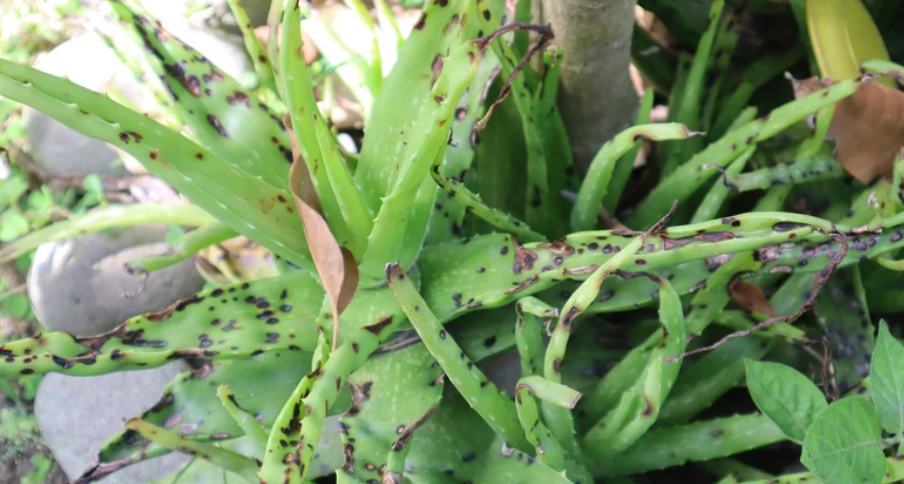
Excessive direct sunlight, especially during hot midday hours, can burn Aloe Vera leaves, causing blackened areas—sometimes called sunscald. Physical injuries from handling or accidental damage may also leave black marks on the leaves.
How to Tell Which Cause Applies
- Inspect the leaves: Are the spots sunken or raised? Are they near the tips or bases?
- Check the soil: Is it soggy or waterlogged? Smell it—is there a musty or moldy odor?
- Look for other symptoms: Mushy leaves suggest rot; dry, sunburned spots suggest sun damage; clean, sharp black marks may indicate physical injury. By examining these signs carefully, you can pinpoint the root cause and choose the most appropriate treatment.
Section 3: Treatment Solutions
Once you've identified the cause, follow the tailored solutions below:
Immediate Actions
- Remove infected leaves: Use clean, sharp scissors or pruning shears to cut away blackened sections. Dispose of these parts away from the plant to prevent spreading fungi.
- Improve airflow: Ensure your Aloe Vera is placed in a well-ventilated spot.
- Reduce watering: Allow the soil to dry out completely between waterings to prevent further rot.
Long-term Care and Remedies
- Use natural fungicides: Applying a neem oil solution or a commercial fungicide can help eliminate fungal infections.
- Repot if necessary: If root rot is suspected, carefully remove the plant from its current pot. Trim away rotten roots with sterilized tools, and repot it into well-draining soil.
- Monitor and care: Keep the plant in bright, indirect sunlight, and avoid overwatering during the recovery phase.
Signs of Improvement
- Black spots stop spreading.
- Leaves start to regain their firmness and healthy color.
- New growth appears healthy without blemishes. Patience is essential—recovery might take a few weeks, but consistent care will yield positive results.
Section 4: Prevention Tips
Prevention is key to keeping your Aloe Vera free from black spots in the future. Here are some practical tips:
Proper Watering Practices
- Water only when the top inch of soil feels dry.
- Use pots with drainage holes to prevent water pooling.
- Water sparingly during cooler months.
Optimal Light Conditions
- Place your Aloe Vera in bright, indirect sunlight.
- Avoid direct midday sun, especially in summer, to prevent sunburn.
Soil and Pot Selection
- Use a well-draining succulent or cactus soil mix.
- Ensure pots have drainage to prevent water retention.
Regular Inspection and Quick Action
- Check your plant weekly for early signs of problems.
- Remove any affected leaves immediately to prevent spread.
- Keep an eye on moisture levels and overall plant health. Implementing these routine care practices will significantly reduce the risk of recurring black spots and help your Aloe Vera stay healthy.
Conclusion
Recap: The appearance of black spots on Aloe Vera is a common issue that often stems from fungal infections, overwatering, sunburn, or physical injury. Correct diagnosis is crucial; once identified, you can apply targeted treatments such as trimming, improving airflow, adjusting watering habits, or using natural fungicides. Remember, most problems are reversible with attentive care and preventive measures. Don’t be discouraged—your Aloe Vera has the potential to recover and flourish with the right approach. Your next step is to carefully examine your plant, remove affected parts, and fine-tune your care routine. With patience and diligence, you’ll restore your Aloe Vera’s health and keep it thriving for years to come.
FAQ
Q: How long until I see improvement after treatment?
A: Generally, you can expect to notice signs of recovery within a few weeks. The black spots should stop spreading, and new healthy growth will indicate your plant is healing. Ensure consistent care and avoid overwatering or exposing the plant to excessive direct sunlight during this period.
Q: Can black spots cause my Aloe Vera to die?
A: If left untreated, black spots can lead to severe tissue damage, rot, or disease spread, potentially threatening the plant's life. However, with prompt and appropriate intervention, most Aloe Vera plants can recover fully.
Q: Should I prune all affected leaves or only the spotted areas?
A: It's best to prune only the affected parts, making clean cuts just below the black spots. Removing all compromised tissue reduces disease spread while preserving healthy growth. Always sterilize your pruning tools before use to prevent infection.
By following these guidelines, you can confidently tackle black spots on your Aloe Vera and ensure it remains a beautiful, healthy addition to your indoor plant collection. Happy gardening!