Quick Summary: Curled or distorted leaves on your Monstera deliciosa can be worrying, but most issues are fixable with a few simple adjustments. From watering habits to humidity levels and pest checks, this guide will walk you through diagnosing the cause and restoring your plant’s lush, healthy look.
Introduction
Noticing your Monstera deliciosa leaves curling or curling inward? It’s understandable to feel concerned—your beautiful, vibrant plant might seem a little distressed. Curling leaves are often a sign that something isn’t quite right, but don’t worry, this is a common issue among houseplant enthusiasts and usually a sign that your plant needs some care adjustments. Your Monstera is resilient and capable of bouncing back with the right care. The good news is that curling leaves can often be fixed by identifying the cause—be it watering mistakes, low humidity, pests, or lighting issues—and making a few key changes. This article will help you understand why your Monstera’s leaves curl, how to figure out the exact cause, and effective, friendly solutions to bring back its healthy, lush growth. Whether you’re a novice gardener or a seasoned plant parent, you’ll find practical steps to help your Monstera thrive once again.
Section 1: Understanding the Problem
Visual Identification: How Curling Leaves Look
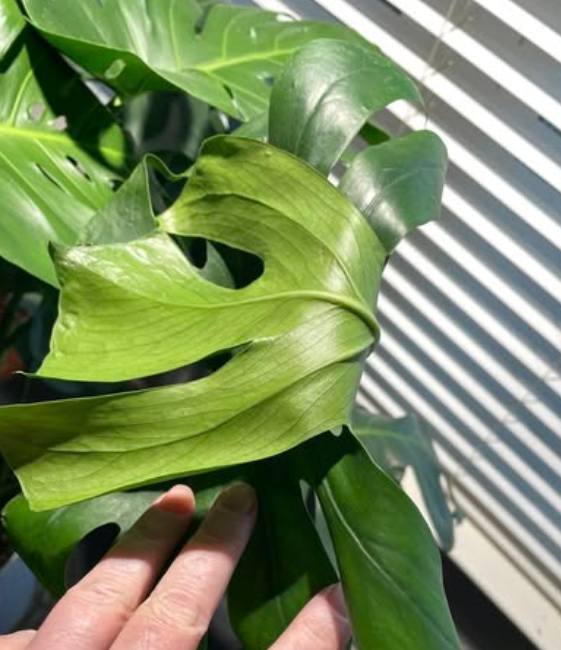
Monstera deliciosa leaves may curl in several ways—edges curling inward (cupping), tips bending downward, or the entire leaf rolling into a tube. Sometimes, you’ll notice leaves appear distorted or wilted, even if the soil feels moist. Pay attention to these specific signs because they can point to different underlying causes.
Common Causes Overview
Several factors can lead to curled leaves, including:
- Overwatering or underwatering — both can cause stress, leading to leaf distortion.
- Low humidity or dry indoor air — especially common in winter months or heated spaces.
- Pests — spider mites and mealybugs feeding on the leaves can cause curling.
- Lighting issues — too much direct sun or insufficient light may impact leaf health. Understanding these causes is the first step toward fixing the problem.
Section 2: Diagnosing the Exact Cause
Follow a step-by-step process to pinpoint why your Monstera’s leaves are curling.
Cause 1: Low Humidity or Dry Air
Monstera plants thrive in environments with around 60% humidity. During winter or in dry homes, humidity can drop significantly, leading to leaf curling, often with crisp edges or tips. You might also notice brown leaf tips or edges, a sign of dehydration caused by dry air. How to confirm: Feel the leaf edges—are they dry or brittle? Check if the air feels dry around your plant. Use a hygrometer if you have one.
Cause 2: Overwatering or Poor Drainage
Too much water can suffocate roots, leading to root rot, and cause leaves to curl or droop. Sometimes, the soil remains soggy for days, and the plant looks sad despite seeming well-watered. How to confirm: Check the soil moisture—stick your finger about an inch into the soil. If it feels wet or soggy, overwatering may be the culprit. Also, examine the drainage holes—are they clogged?
Cause 3: Pests, such as Spider Mites or Mealybugs
Tiny pests can feed on leaf tissue, causing distortion and curling. Spider mites, for instance, leave fine webbing and stippling on leaves, while mealybugs look like small cottony patches. How to confirm: Inspect leaves closely—flip them over and look for pests or webbing. Use a magnifying glass if needed.
How to tell which cause it is
Use this quick checklist:
- Dry, brittle leaf edges? Likely low humidity.
- Soggy soil and wilted leaves? Overwatering.
- Presence of tiny webs or cottony bugs? Pests.
- Leaf curling with no signs of pests or drought? Consider lighting or other stresses. By walking through these steps, you'll identify the root issue with confidence.
Section 3: Treatment Solutions
Immediate Actions (First 24-48 Hours):
-
Adjust Watering Schedule:
-
If soil is soggy, stop watering until it dries out.
- If dry, water thoroughly, allowing excess to drain and then empty the tray to prevent standing water.
-
Increase Humidity:
-
Use a humidifier near your plant.
- Place your Monstera on a pebble tray with water underneath (not touching the water).
- Mist the leaves gently twice daily — but only if pests aren’t present.
-
Inspect and Treat for Pests:
-
Examine leaves and stems with a magnifying glass.
- If pests are found, spray with neem oil or insecticidal soap, following product instructions.
Long-Term Treatment
-
Consistent Watering:
Water only when the top inch of soil feels dry. Ensure your pot has good drainage. -
Optimize Lighting:
Place your Monstera in bright, indirect light. Avoid direct sun, which can scorch leaves and cause curling. -
Adjust Humidity Long-Term:
Maintain humidity levels around 60-70% using humidifiers, grouping plants together, or regular misting. -
Regular Pest Checks:
Visit your plant weekly for signs of pests. If spotted early, treatment is easier.
Remedies
-
Natural Pest Control:
Neem oil mixed with water (1 teaspoon per liter) sprayed on leaves works well against pests. Repeat weekly until pests are gone. -
Improve Drainage:
Use well-draining soil and pots with drainage holes to prevent water accumulation. -
Healthy Fertilization:
During growing seasons, feed with a diluted houseplant fertilizer once a month to support healthy leaf development.
Timeline for Recovery
Most curled leaves stabilize within a few days after correcting the issue, but full recovery depends on severity. Expect initial improvements within a week, with new, healthier leaves appearing in 2-4 weeks. Warning: If leaf curling persists after treatment or worsens, re-evaluate for other causes or consult a plant care expert.
Section 4: Prevention Tips
Keeping your Monstera happy and healthy involves ongoing care:
-
Consistent Watering Routine:
Water only when the top inch of soil feels dry. Use your finger or a moisture meter. -
Maintain Optimal Light:
Bright, indirect sunlight — think filtered light or near an east or south window. -
Control Humidity:
Use a humidifier or regular misting to keep humidity around 60%. -
Keep an Eye on Temperature:
Maintain consistent indoor temperatures between 65-80°F (18-27°C), avoiding cold drafts or sudden temperature shifts. -
Regular Inspections:
Check leaves weekly for pests or early signs of distress. These habits will help prevent leaf curling and other common issues, keeping your Monstera thriving.
Frequently Asked Questions
Q: How long until I see improvement after fixing watering or humidity?
A: Typically, you’ll notice the leaves begin to straighten or improve within 3-7 days after adjusting watering habits or increasing humidity. New, healthy leaves will also start to emerge roughly 2-4 weeks later.
Q: Can curling leaves recover fully, or do I need to prune?
A: If the curling is caused by stress or pest damage, the leaves might not recover fully and could be pruned to encourage new growth. Healthy leaves can often bounce back on their own once the cause is addressed.
Q: Should I prune curled leaves or leave them to recover naturally?
A: If the leaves are severely damaged or show signs of disease, prune them to redirect the plant’s energy toward new growth. For minor curling, leave them unless they become ugly or become a sign of ongoing issues.
Conclusion
Key Takeaways:
- Curling leaves on your Monstera deliciosa often signal environmental or care issues, but can be fixed with proper diagnosis.
- Main causes include low humidity, overwatering, or pests—each requiring targeted solutions.
- Adjust watering habits, boost humidity, inspect for pests, and improve lighting to restore your plant’s health.
- Consistent care, inspection, and environmental adjustments will keep your Monstera lush and thriving. Remember, your Monstera is resilient and can recover from many stressors. With patience and attentive care, it will soon bounce back to its beautiful, exuberant self. Start by evaluating your plant’s environment today, and enjoy the process of nurturing your green companion!