Quick Summary: If your Snake Plant (Sansevieria) shows yellowing leaves or a musty smell, root rot might be the culprit. Fortunately, with prompt diagnosis and proper care, you can revive your plant and keep it healthy. This guide walks you through identifying root rot, diagnosing causes, and taking effective steps to rescue your snake plant.
Introduction
Noticing your Snake Plant's leaves look dull, yellow, or droopy can be worrying—especially when it seems like your green friend isn't thriving anymore. Root rot is one of the most common issues faced by houseplant enthusiasts, caused primarily by overwatering or poor drainage, and it can quickly threaten your plant's health. But don't panic! Root rot is treatable, and with a bit of patience and the right care, your snake plant can recover beautifully. In this article, we'll explore how to identify the signs of root rot, diagnose its specific cause, and implement effective treatments. Plus, you'll learn plenty of prevention tips to keep your Snake Plant healthy in the long run. Whether you're a seasoned plant parent or a beginner just getting into houseplants, this guide will reassure you that fixing root rot is entirely within your reach.
Section 1: Understanding the Problem
Root rot is a fungal disease that develops when roots stay excessively wet for extended periods. It is especially common in Snake Plants, which prefer well-draining soil and infrequent watering. When roots rot, they can no longer efficiently absorb water and nutrients, leading to visible symptoms above ground.
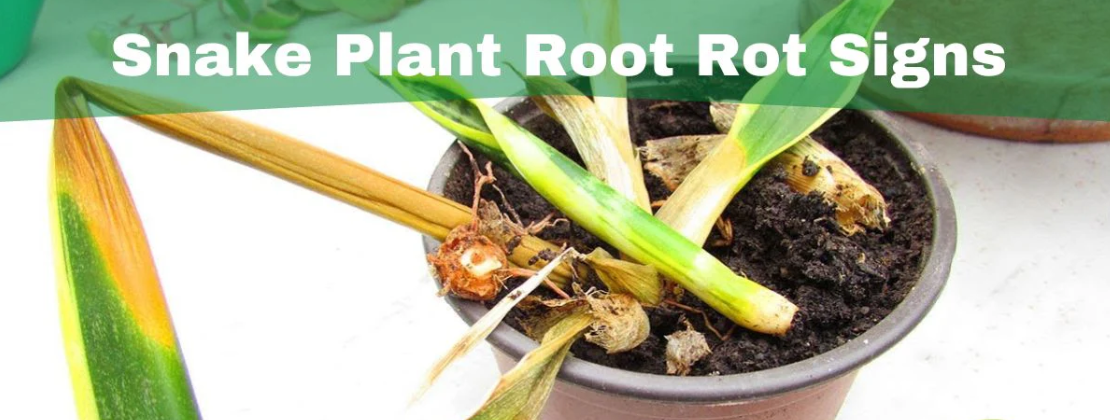
Visual Identification of Symptoms
- Black-brown, mushy roots: When you gently remove your plant from its pot, healthy roots are firm, white or light-colored. Rotted roots appear black, brown, and feel soft or slimy.
- Yellowing or drooping leaves: The first signs often include leaves turning yellow, becoming droopy, or losing their firmness.
- Foul smell: Rotted roots give off a sour or rotten odor, which is a strong indicator of decay.
Common Causes of Root Rot
-
Excessive watering: Giving your plant too much water or watering on a fixed schedule without checking soil moisture.
-
Poor drainage system: Using heavy soils or pots without drainage holes prevents excess water from escaping.
- Environmental conditions: Low temperatures, drafts, or high humidity create favorable conditions for fungal growth, increasing rot risk. Understanding these symptoms and causes helps you act quickly before the damage spreads further.
Section 2: Diagnosing the Exact Cause
Careful diagnosis is key to effective recovery. Follow these steps to determine what caused your Snake Plant's root rot:
Cause 1: Overwatering Leading to Saturated Soil
- Check your watering habits—have you been watering weekly regardless of soil dryness?
- Test the soil moisture by inserting your finger about an inch into the soil; if it feels wet or soggy, overwatering is likely.
Cause 2: Poor Drainage or Heavy Soil That Retains Too Much Moisture
- Examine the pot: does it have drainage holes?
- Remove the plant gently and inspect the roots; mushy, black roots indicate rot.
- Check the soil; heavy, clay-like or overly compacted soil retains excess water and discourages aeration.
Cause 3: Cold Drafts or Low Temperatures Fostering Fungal Growth
- Think about your plant’s environment: has it been near a drafty window, air conditioner, or heater?
- Fungal growth thrives in cold, damp conditions, so movement of your plant to a warmer spot may help.
How to Confirm
- Remove the plant carefully from the pot.
- Gently brush off or rinse away soil from roots.
- Inspect roots for mushiness, discoloration, and smell.
- Assess recent watering and environmental conditions. By pinpointing the cause, you can tailor your treatment efforts effectively.
Section 3: Treatment Solutions
Once you've identified what's causing the root rot, it's time to act. Follow this step-by-step plan:
Immediate Actions (First 24-48 Hours)
1. Carefully remove your Snake Plant from its pot:
- Gently slide the root ball out.
-
Shake off excess soil. 2. Inspect and trim affected roots:
-
Using sterilized pruning shears or scissors, cut away all black, mushy roots.
- Leave only healthy, firm white or light-colored roots.
-
Discard severely rotted roots to prevent spread. 3. Rinse roots gently:
-
Use a solution of water and a small amount of hydrogen peroxide (3%) to disinfect.
-
Alternatively, rinse roots with clean water. 4. Optional natural antifungal treatment:
-
Dip roots in a diluted neem oil solution or apply a commercial fungicide if preferred.
Treating Roots
- After trimming, soak the roots briefly in a hydrogen peroxide solution (1 part peroxide to 2 parts water) for 5–10 minutes to kill residual fungi.
Repotting in Fresh Soil
5. Choose a well-draining soil mix:
- Use a cactus or aroid mix with sand, perlite, or pumice.
-
Ensure the container has drainage holes. 6. Replant carefully:
-
Position the plant at the same depth, gently filling in soil around the roots.
- Do not water immediately after repotting.
Watering and Care Adjustments
7. Adjust watering habits:
- Allow the soil to dry out completely between waterings.
- Water only when the top inch of soil is dry.
-
Reduce watering frequency from weekly to every 2-3 weeks, depending on your environment. 8. Long-term environmental care:
-
Place your Snake Plant in bright, indirect light.
- Keep it away from cold drafts and extreme temperatures.
- Maintain moderate humidity levels.
Timeline for Recovery
- You should notice improvements within 2-4 weeks if care is consistent.
- Resist the urge to overwater; patience is key.
Warning Signs Treatment Isn’t Working
- Persistent wilting or continued yellowing despite care.
- Foul smell from soil or roots persists.
- Continued blackening of roots during follow-up inspections. If these occur, consider consulting a plant care specialist or propagating healthy cuttings for a fresh start.
Section 4: Prevention Tips
Prevention is always better than cure. Here are practical ways to prevent root rot and keep your Snake Plant healthy:
- Use well-draining soil: A mix with sand, perlite, or pumice ensures excess water drains quickly.
- Choose pots with drainage holes: This allows water to escape and prevents pooling at the bottom.
- Adjust watering based on soil moisture: Use your finger or a moisture meter — don’t water on a fixed schedule.
- Avoid sudden temperature drops: Keep your plant away from cold drafts, air conditioners, or heating vents.
- Monitor humidity levels: Keep the environment moderate, especially in winter or dry conditions.
- Regularly inspect roots during repotting or general care: Catch early signs of problems before they worsen. By adopting these habits, you can help your Snake Plant thrive and avoid future root issues.
Frequently Asked Questions
Q: How long until I see improvement after treatment?
A: Typically, you can expect to see signs of recovery within 2 to 4 weeks. Keep monitoring the plant, avoid overwatering, and ensure optimal light conditions.
Q: Will my Snake Plant fully recover from root rot?
A: With prompt and proper treatment, many Snake Plants recover completely. Severe cases may lead to some loss of roots or leaves, but new growth can emerge if you maintain good care.
Q: Should I prune all damaged roots and leaves?
A: Yes. Remove all mushy, black roots and any yellow or drooping leaves to encourage healthy growth and prevent the spread of fungi.
Q: Can I save my snake plant if only some roots are affected?
A: Absolutely. Trim away only the rotten portions, and with proper care, the healthy roots can support your plant’s recovery.
Q: How frequently should I water my snake plant to prevent root rot?
A: Water only when the top inch of soil feels dry, usually every 2-3 weeks, depending on your environment.
Conclusion
Key Takeaways:
- Root rot often results from overwatering, poor drainage, or environmental factors.
- Early diagnosis involves inspecting roots for black, mushy tissue and foul odors.
- Immediate treatment includes root trimming, disinfecting, and repotting in well-draining soil.
- Adjust watering habits and environmental conditions to prevent future problems.
- Your Snake Plant has a good chance of recovery with patience, proper care, and proactive prevention. Remember, root rot is a common but manageable problem. By carefully inspecting your plant, acting quickly, and adopting good watering and care routines, you’ll help your Snake Plant bounce back stronger. So grab some sterilized tools, that fresh soil, and give your plant the care it needs to thrive again!