Learning how to identify, treat, and prevent root rot in your String of Pearls plants can save your cherished indoor garden. If your plant’s delicate, bead-like leaves are turning brown or mushy, it’s understandable to feel worried. But don’t worry—help is available, and with prompt, informed action, you can revive your plant and keep it healthy for years to come. In this comprehensive guide, we’ll walk you through everything from recognizing the signs of root rot to diagnosing its causes, applying effective treatments, and preventing future occurrences. Let’s get started!
Understanding the Problem
Root rot is a common issue especially in indoor succulents like String of Pearls, caused primarily by overwatering and poor drainage. Since these plants are drought-tolerant, excess moisture can quickly lead to root decay, which then affects the entire plant's health.
Visual Identification
- Mushy, black or brown roots: When you gently remove your plant from its pot, you might notice that the roots feel soft, slimy, or are discolored.
- Foul smell: Decaying roots emit a distinct, unpleasant odor, often like rotting garbage.
- Wilted or discolored leaves: In the early stages, you might notice the beads or stems looking dull, yellowish, or droopy.
Common Causes Overview
- Overwatering: The most frequent culprit; watering too often without allowing soil to dry out.
- Poor soil drainage: Heavy, compacted soils hold too much moisture.
- Inadequate pot drainage: Pots without drainage holes cause water to stagnate.
- Low light and high humidity: These conditions slow evaporation, increasing the risk of rot. Understanding these factors helps you act quickly and correctly to save your plant.
Diagnosing the Exact Cause
Before we proceed with treatment, you need to diagnose what’s causing your String of Pearls to develop root rot. Correct diagnosis is the key to effective recovery.
Cause 1: Overwatering
- Check watering frequency: Has the soil remained wet for days? Do you water on a strict schedule regardless of soil moisture?
- Examine soil moisture: Insert a finger about an inch into the soil. If it feels damp or soggy, overwatering is likely.
Cause 2: Poor Drainage or Soil Composition
- Inspect soil structure: If the soil feels heavy and retains water, it's too dense.
- Check drainage holes: Are the drainage holes blocked or missing? Water should escape freely from the pot.
Cause 3: Low Light or High Humidity
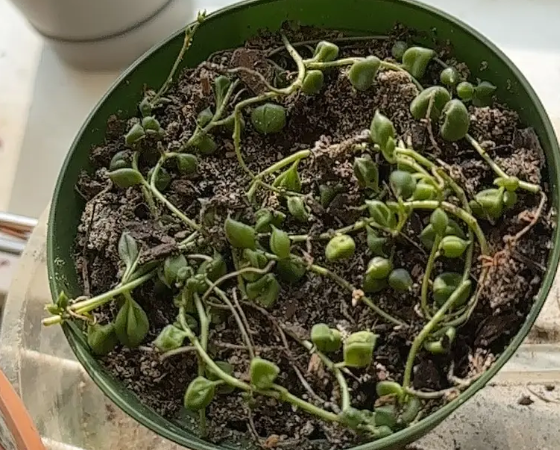
- Evaluate environmental conditions: Is your plant kept in a shady spot? Is humidity high indoors? Both factors hinder drying of the soil.
How to tell which cause it is:
- Combine observations: For example, damp soil with little sunlight points to poor drainage or overwatering, while dry soil in a low-light environment may need more light to promote evaporation.
- Sample root inspection: Gently remove the plant and examine the roots—mushy, discolored roots confirm rot.
Treatment Solutions
Once you've pinpointed the cause, you can take targeted steps to revive your String of Pearls.
Immediate actions:
- Remove affected roots: Carefully cut away mushy, black, or brown roots with sterilized scissors or pruning shears. Be thorough but gentle to avoid damaging healthy tissue.
- Reduce watering: Allow the soil to dry out completely before watering again.
- Improve drainage: If your soil is dense or the pot lacks drainage, repot in fresh, well-draining soil and a pot with drainage holes.
Long-term treatment plan
- Repot in well-draining soil: Use a cactus or succulent mix that drains quickly, often composed of sand, perlite, and regular potting soil.
- Adjust watering schedule: Water only when the top inch of soil feels dry. During winter or dormancy, watering frequency should decrease.
- Ensure adequate light: Place your String of Pearls in bright, indirect sunlight—ideally near a south-facing window.
Monitoring and care during recovery
- Check roots regularly: Repeat root inspections during watering routines.
- Avoid overwatering: Remember, less is more with succulents.
- Maintain proper humidity: Keep indoor humidity moderate; good airflow helps excess moisture evaporate.
Prevention Tips
Prevention is always better than cure. Implement these best practices to avoid root rot in your String of Pearls in the future:
Adjust watering routines
- Water only when the top 1-2 inches of soil are dry.
- Use a moisture meter for precise watering alerts if in doubt.
Use well-draining soil and pots with drainage holes
- Repot every couple of years to refresh the soil.
- Ensure pots have sufficient drainage holes to prevent water accumulation.
Provide bright, indirect light and proper airflow
- Place your plant in a well-lit spot where it receives filtered sunlight.
- Avoid stagnant air environments; use a small fan if needed.
Regularly inspect roots and soil health
- Periodically gently remove the plant to check root condition.
- Remove any dead or diseased roots immediately.
Conclusion
Prompt diagnosis and attentive care are your best tools for fixing String of Pearls root rot. By recognizing early signs, diagnosing the root causes, and applying targeted treatments, you can save your cherished plant and restore its vitality. Remember, patience and proper prevention techniques are key. With consistent care, you’ll not only recover your plant but also promote a healthier, happier String of Pearls that can thrive indoors for years to come.
FAQs
Q: How long until I see improvement after treatment?
A: Usually, you’ll notice signs of recovery within a few weeks. New healthy roots will start to develop when conditions are optimal. Patience is essential; avoid overwatering during this period.
Q: Will my String of Pearls fully recover from root rot?
A: With prompt and proper treatment, many plants recover completely. However, if severe root damage occurred, some stems or leaves might not recover fully. Pruning and good care will maximize your plant's chances of full recovery.
Q: Should I prune completely affected roots or also trim surviving roots?
A: Always prune away all affected roots, leaving only healthy, white or light-colored roots. This creates a healthier base for the plant to grow new roots and ensures no diseased tissue remains.
By following these steps and adopting preventative measures, you'll become confident in caring for your String of Pearls and avoiding root rot in the future. Happy gardening!