```markdown
Why Is My Monstera Deliciosa Having White Fuzz? Causes & Solutions
Quick Summary: White fuzz on your Monstera deliciosa can be alarming, but it’s often manageable once you identify the cause—whether it's fungal growth, pests like mealybugs, or mold. With targeted care, you can restore your plant’s health and vitality.
Introduction
Noticing white fuzz on your Monstera deliciosa can instantly trigger concern—your beautiful, lush plant suddenly looks less vibrant, and you worry about its health. It’s normal to feel a bit overwhelmed—or even anxious—especially when this fuzzy growth appears seemingly out of nowhere. Rest assured, you're not alone, and this issue is usually fixable with some basic troubleshooting.
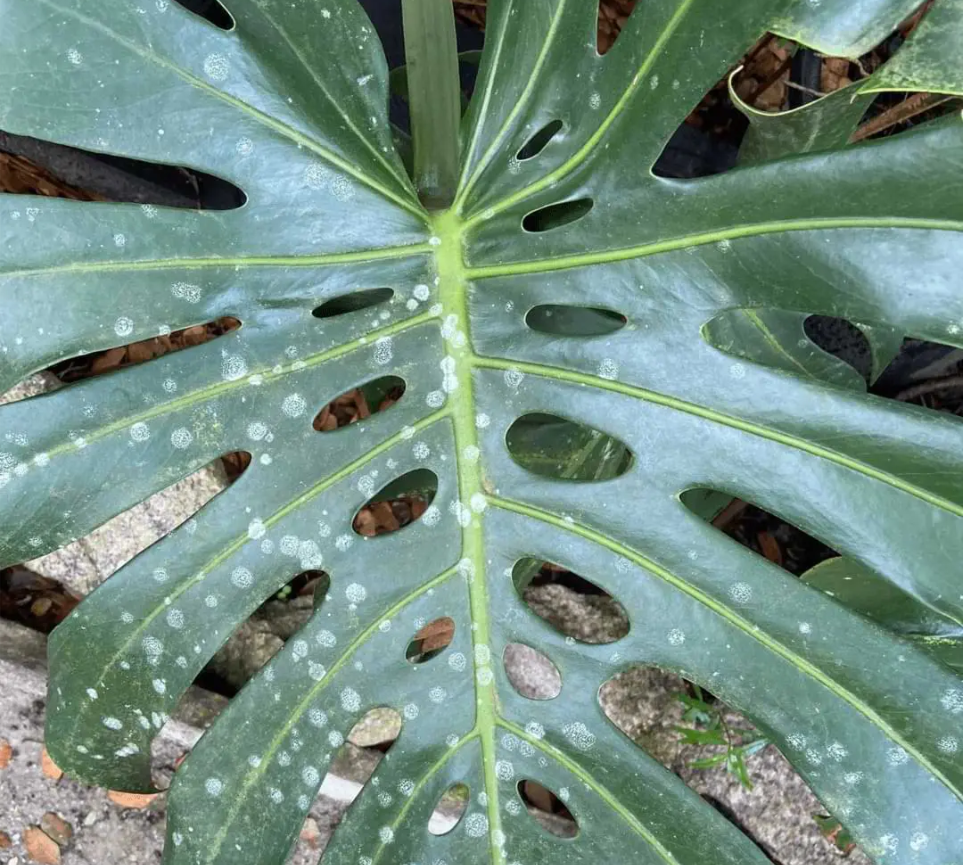
White fuzz can be caused by several factors, including fungal infections, pest infestations like mealybugs, or mold growth due to high humidity. The good news is that once you diagnose the root cause, there are clear, practical steps you can take to eliminate the problem and keep your plant thriving.
This article will guide you through identifying the cause of the white fuzz, how to treat it effectively, and what steps to take to prevent it in the future. With patience and care, you can help your beloved Monstera deliciosa recover and flourish once again.
Section 1: Understanding the Problem
White fuzz on your Monstera deliciosa usually appears as a soft, cotton-like, or powdery growth that covers parts of the plant—such as the leaves, stems, or even the soil surface. Recognizing this symptom early is key to figuring out the cause and preventing further damage.
Visual Identification: White, Cottony, or Powdery Appearance
- The fuzzy growth often looks like tiny cotton balls or soft fibers.
- It may be powdery or slightly sticky depending on the cause.
- Sometimes, it appears on the undersides of leaves, near leaf joints, or on the soil surface.
Common Causes Overview
- Fungal infections, such as powdery mildew, produce a soft, white, powdery coating—especially in humid conditions.
- Pest infestations, including mealybugs, hide in white cotton-like masses and feed on plant sap.
- Mold or residual organic growth can develop when humidity is very high, plus poor ventilation and overwatering lead to mold colonies.
Understanding which of these causes applies to your situation will help you choose the best treatment.
Section 2: Diagnosing the Exact Cause
Let’s walk through some steps to identify whether fungal, pest, or mold issues are causing the white fuzz on your Monstera deliciosa.
Cause 1: Fungal Infections (e.g., Powdery Mildew)
- Symptoms: Powdery, white, flour-like coating on leaves or stems.
- How to Confirm: Gently wipe a small area with a damp cloth. If the coating easily rubs off to reveal healthy green tissue and resembles powder, you’re likely dealing with powdery mildew.
- Why It Happens: Excess humidity, poor air circulation, or high temperatures create a hospitable environment for fungi.
Cause 2: Pest Infestation (e.g., Mealybugs)
- Symptoms: White cotton-like clusters often hiding in leaf joints, undersides of leaves, or along stems.
- How to Confirm: Use a magnifying glass to look for tiny insects or moving white masses. They may sometimes be sticky or produce honeydew, which encourages mold growth.
- Why It Happens: They are usually introduced via new plants or just appear if your plant is stressed and vulnerable.
Cause 3: Mold or Organic Residue
- Symptoms: Soft, fuzzy mold patches on the soil surface or plant parts.
- How to Confirm: Check the environment—if the air is very humid, the soil is kept too wet, and there's little ventilation, mold can develop.
- Why It Happens: Overwatering and lack of airflow create ideal conditions for mold.
How to Tell the Difference
- Check for tiny insects or their residue (pests).
- Touch the fuzzy growth—if it rubs off easily and looks powdery, it’s probably fungus.
- Look at the environment—high humidity, overwatering, and poor airflow favor mold.
Create a mental checklist: Insect presence? Powdery appearance? Environmental factors? This will guide your next steps.
Section 3: Treatment Solutions
Once you’ve identified the cause, you can implement the appropriate treatment plan. Here’s how to address each issue effectively.
Immediate Actions (First 24-48 Hours):
- Isolate your plant to prevent spreading to other houseplants.
- Gently wipe or remove the fuzzy growth with a soft cloth or a gentle spray of water.
- Inspect closely for pests or extensive mold and prune affected leaves or stems as needed.
- Adjust environmental conditions—reduce humidity, improve ventilation, and avoid splashing water on leaves to dry and prevent persistence.
For Fungal Infections (e.g., Powdery Mildew):
- Use organic remedies:
- Neem oil: Mix according to package instructions and spray on affected areas. Repeat weekly.
- Hydrogen peroxide solution: Mix 3% hydrogen peroxide with water (1:3 ratio) and lightly spray or wipe leaves to kill fungal spores. Do this every few days until the fungus recedes.
- Improve air circulation: Use a fan or open windows, especially in humid seasons.
- Avoid overhead watering and ensure your soil drains well.
- Timeline: You may start to see improvements within one to two weeks.
For Pest Infestations (Mealybugs, Scale, etc.):
- Apply insecticidal soap: Spray thoroughly on all affected parts, especially in leaf joints.
- Use alcohol swabs: Dip a cotton swab in rubbing alcohol and carefully wipe away cottony pests.
- Introduce natural predators: If you keep other plants external or in controlled environments, ladybugs or predatory mites can help reduce pest populations.
- Long-term monitoring: Continue inspecting weekly and repeat treatment if pests persist.
- Timeline: Significant reduction usually occurs within a week; full eradication may take 2-3 treatments.
For Mold Growth:
- Remove moldy soil or affected parts and dispose of them carefully.
- Improve ventilation — move the pot to a well-ventilated area.
- Reduce watering frequency and ensure proper drainage.
- Spray with a baking soda solution: Mix one teaspoon baking soda in one liter of water, add a few drops of liquid soap, and spray on moldy areas once a week.
- Timeline: Expect improvement in 1-2 weeks with consistent care.
Long-term Care:
- Keep your Monstera deliciosa in bright, indirect light.
- Water only when the top inch of soil feels dry.
- Maintain moderate humidity—around 40-60%.
- Ensure good airflow around your plant.
Section 4: Prevention Tips
Prevention is always better than cure. Here are practical tips to keep the white fuzz at bay:
- Maintain proper humidity and airflow: Use fans or open windows to prevent excess moisture buildup, especially in humid climates.
- Avoid overwatering: Stick to a regular watering schedule—typically once a week or when the top inch of soil is dry—to prevent mold and fungal growth.
- Use well-draining soil: A mix with perlite or coarse bark helps excess water escape.
- Inspect regularly: Weekly checks can catch early signs of pests or fungal problems before they become severe.
- Clean your plant leaves: Gently wipe leaves with a damp cloth to remove dust, and keep the environment tidy.
- Avoid excess fertilizer: Overfeeding can weaken plants and make them more susceptible to infections.
By following these tips, you'll create an environment less conducive to the development of white fuzz, keeping your Monstera deliciosa healthy and happy.
Frequently Asked Questions
Q: How long until I see improvement after treatment?
A: It typically takes around one to two weeks to notice a reduction in white fuzz once you begin treatment, provided you follow the care steps diligently.
Q: Can I save my Monstera if the white fuzz is extensive?
A: Yes, with persistent treatment and environmental adjustments, even heavily infested plants can recover. Prune away severely affected parts and treat the remaining plant. Patience is key.
Q: Should I prune or remove infected parts?
A: Absolutely. Removing heavily infested or moldy leaves helps prevent spread and encourages healthy new growth. Sterilize pruning tools afterward to prevent contamination.
Conclusion
Key Takeaways:
- White fuzz on your Monstera deliciosa can be caused by fungal infections, pests like mealybugs, or mold due to high humidity.
- Accurate diagnosis involves observing the growth, checking for insects, and evaluating environmental conditions.
- Use targeted treatments—organic remedies like neem oil, alcohol swabs, or mold control solutions—and improve care habits.
- Prevent future issues by maintaining proper humidity, watering appropriately, and inspecting regularly.
With patience and consistent care, you can resolve the white fuzz problem and help your Monstera regain its lush, vibrant appearance. Don't get discouraged—your plant’s recovery is well within reach!