Learn how to identify, diagnose, and treat ZZ plant root rot on new growth with expert tips to save your plant and prevent future issues.
Introduction
Noticing black, mushy roots or stunted new growth in your ZZ plant can be alarming, especially if you’re a plant enthusiast eager to keep your indoor garden thriving. Rest assured, you're not alone—many plant parents face this challenge. The good news is that with the right knowledge and prompt action, you can rescue your ZZ plant from root rot and restore its health. This article will guide you through understanding the symptoms of ZZ plant root rot on new growth, diagnosing the root cause, applying effective treatments, and adopting preventive measures to keep your plant healthy in the future. Whether you're a beginner or an experienced plant lover, these practical tips will help you nurture your ZZ plant back to vitality.
Section 1: Understanding the Problem
Recognize the Signs of Root Rot on Your ZZ Plant's New Growth
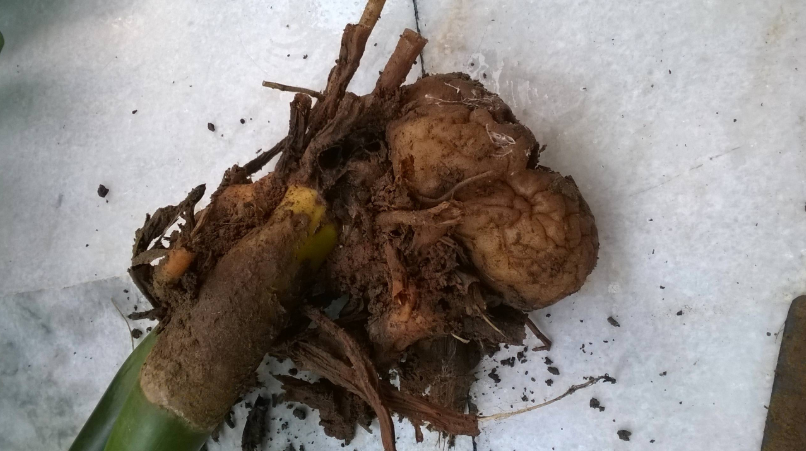
Root rot is a common yet preventable issue that affects many indoor plants, including the popular ZZ plant (Zamioculcas zamiifolia). When it strikes, you may notice:
- Mushy, discolored roots: Roots turn black or dark brown and feel slimy or soft to the touch.
- Yellowing or wilting new leaves: The newly emerging leaves may be pale, yellowish, or drooping, indicating stress.
- Stunted or deformed new growth: New shoots may appear small, misshapen, or fail to grow altogether.
Common Causes Overview
Understanding why root rot occurs is essential to prevent future problems. The primary causes include:
- Overwatering: Excess water around the roots leads to oxygen deprivation, fostering fungal growth.
- Poor drainage: Heavy, compacted soil or pots without drainage holes trap moisture.
- High humidity: Excess humidity can promote mold and fungal proliferation.
- Root suffocation or damage: Disturbing roots during repotting or pest activity can weaken the plant's defenses.
Section 2: Diagnosing the Exact Cause
Proper diagnosis is critical to implementing effective treatment. Follow these steps:
Cause 1: Overwatering Leading to Waterlogged Soil and Oxygen Deprivation
Excessive watering is the most common culprit. If the soil remains constantly wet, roots cannot access oxygen, leading to rot. Check your watering habits—does the top inch of soil stay damp for days? If yes, overwatering might be the primary issue.
Cause 2: Poor Soil Drainage or Heavy, Compacted Soil
Heavy soils, such as garden soil or dense potting mixes, retain too much water. If your soil feels dense or muddy, it’s time to improve drainage.
Cause 3: Root Damage from Repotting or Pests
Physical injury during repotting or pest activity (like root mealybugs) can weaken roots, making them more susceptible to rot.
How to Tell Which One It Is
- Inspect the roots: Gently remove the plant from its pot and examine the roots. Mushy, black roots indicate rot.
- Check soil moisture: Feel the soil; if it’s soggy and stays wet, overwatering or poor drainage is likely.
- Observe watering habits: Are you watering too frequently? Adjust accordingly.
Section 3: Treatment Solutions
Once you’ve identified the cause, follow these targeted steps to save your ZZ plant:
Immediate Actions
- Remove affected roots: Carefully trim away all mushy, black, or discolored roots using sterilized scissors or pruning shears.
- Reduce watering: Hold off watering until the plant shows signs of recovery.
- Improve soil drainage: If the current soil is heavy, repot your ZZ plant into a well-draining mix.
Long-term Treatment Plan
- Repot in well-draining soil: Use a mix designed for aroids or cacti—perlite, orchid bark, or coarse sand mixed with potting soil.
- Use sterilized tools: Always sterilize your tools before and after pruning to prevent spreading pathogens.
- Enhance air circulation: Place your plant in a well-ventilated area to discourage fungal growth.
- Ensure proper watering routine: Allow the top inch of soil to dry out completely between waterings.
What to Expect During Recovery
With diligent care, you should see new healthy root growth within a few weeks. The plant’s leaves may initially appear stressed, but patience is key. Gradually, you’ll notice the new foliage becoming vibrant and robust as the roots recover and establish.
Section 4: Prevention Tips
Prevention is better than cure. Adopt these habits to keep your ZZ plant healthy and root rot-free:
Adjust Watering Routine
- Water only when the top inch of soil feels dry.
- Use a moisture meter if unsure, ensuring you don’t overwater.
Improve Soil and Pot Drainage
- Choose pots with drainage holes.
- Use a well-draining soil mix suitable for ZZ plants, such as one containing perlite or coarse sand.
Environmental Monitoring
- Provide bright, indirect light to promote healthy growth.
- Avoid excessive humidity; ensure good air circulation.
- Maintain appropriate watering habits, especially during colder or more humid seasons.
Conclusion
Prompt diagnosis, targeted treatment, and preventive care are the keys to rescuing your ZZ plant from root rot on new growth. While it can be distressing to see your plant struggling, remember that recovery is very possible with attentive care and patience. Start by carefully inspecting your plant’s roots and soil, follow the treatment steps outlined above, and adopt preventive habits to safeguard your ZZ plant's health in the future. With a little effort, your plant will bounce back, thriving and adding lush greenery to your indoor space once again.
FAQ
Q: How long until I see improvement after treatment?
A: Typically, you can expect to see signs of recovery within 2 to 4 weeks. New root growth may appear first, followed by healthier, more vibrant leaves. Patience is essential, as recovery time varies depending on the severity of root rot and your care routine.
Q: Can my ZZ plant fully recover from root rot?
A: Yes, with prompt and proper treatment, many ZZ plants recover fully. The key is to remove all infected roots and provide optimal conditions for regrowth. However, if the root rot is severe and extensive, some parts may not recover, but new growth can still be encouraged.
Q: Should I prune all damaged roots and leaves for better recovery?
A: Absolutely. Pruning damaged roots prevents the spread of rot and encourages healthy regrowth. Also, removing any yellowing or wilted leaves helps the plant conserve energy and focus on healing.
By following these guidelines, you can confidently address ZZ plant root rot on new growth and ensure your indoor garden remains lush and healthy. Remember, every challenge is an opportunity to learn and grow—both for your plants and your gardening skills!