Are you noticing a mysterious white fuzz on your beloved Jade Plant? Don’t worry—this common issue can be solved with a little knowledge and care. Whether you're a beginner or an experienced indoor gardener, understanding what's happening with your Jade Plant is the first step toward restoring its health and beauty. In this article, we’ll explore the causes of white fuzz, how to accurately diagnose the problem, practical treatment options, and proactive tips to keep your Jade Plant thriving. Rest assured—with patience and proper care, your plant can bounce back stronger than ever.
Understanding the Problem
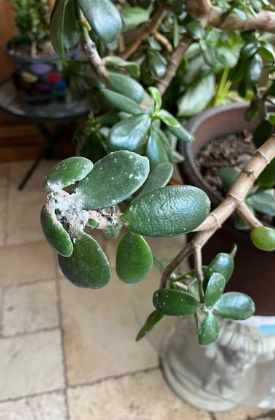
Visual Identification of White Fuzz
White fuzz on a Jade Plant can appear in different forms. Sometimes it looks like a soft, powdery coating, while other times it resembles a cottony or fuzzy growth. The appearance can vary depending on the root cause:
- Powdery, white substance: Often indicates fungal infections such as powdery mildew.
- Cottony patches: Usually the residue of pests like mealybugs.
- Fungus-like growths: Might be mold or mildewy patches due to excess moisture.
Common Causes Overview
The white fuzz is typically caused by:
- Fungal infections: Powdery mildew or mold that thrive in humid, poorly ventilated environments.
- Pest-related residues: Mealybugs or scale insects leave behind cottony or fuzzy residue.
- Micro-pests and molds: Mold gnats or other tiny pests can leave fungal-like growths or contribute to fungal proliferation. Knowing the appearance and circumstances around your Jade Plant helps determine whether the fuzz is harmless or needs urgent intervention.
Diagnosing the Exact Cause
Step 1: Observe the Fuzz Carefully
Examine the affected areas closely. Is the fuzz powdery or cottony? Does it come off easily or is it stubborn? Check for the presence of pests—small, white insects like mealybugs or tiny sticky trails.
Step 2: Check for Pests
- Look beneath leaves and around stems: Mealybugs look like small cotton balls, often clustering on joints.
- Inspect the soil surface: Mold gnats or other tiny insects may be present, flying around or crawling.
Step 3: Consider Recent Care Practices
- Watering habits: Overwatering creates humid conditions conducive to mold.
- Airflow and humidity: Poor ventilation can foster fungal growth.
- Previous treatments: Have you applied any chemical sprays? Sometimes these can cause residue that appears as fuzz.
How to Tell Which Cause It Is
- Fungal infections: Powdery appearance that doesn’t move and seems powdery or moldy.
- Pest residues: Cottony patches that can be wiped off or scraped away.
- Mold gnats or micro-pests: Tiny insects or larvae often found in moist soil or on leaves. A precise diagnosis is crucial because treatment varies depending on whether it’s a fungal infection, pest residue, or mold.
Treatment Solutions
Immediate Actions to Take
- Remove affected parts: Gently prune and discard leaves or stems with heavy fuzz.
- Isolate your Jade Plant: Keep it away from other houseplants to prevent spreading.
- Clean the fuzz: Gently scrub affected areas with a soft cloth or toothbrush dipped in soap water to remove stubborn fuzz.
Long-term Treatment Plan
- Natural remedies: Spritz your Jade Plant with neem oil or insecticidal soap, especially if pests are involved.
- Chemical treatments: Use fungicides for fungal infections, making sure to follow label instructions carefully.
- Adjust watering habits: Water only when the top inch of soil is dry. Improve drainage to avoid excess moisture.
- Improve airflow: Place your plant in a well-ventilated area, and consider using a small fan during humid seasons.
During Recovery
- Monitor regularly: Check for reappearance of white fuzz or pests.
- Maintain proper conditions: Ensure the plant gets enough light, correct watering, and good airflow.
- Patience is key: Most infections and pest issues take a few weeks to fully resolve with consistent care.
Prevention Tips
Care Routine Adjustments
- Avoid overwatering: Jade Plants are succulents; they prefer dry conditions.
- Ensure proper drainage: Use pots with drainage holes and well-draining soil.
- Control humidity: Keep indoor humidity levels moderate; avoid placing plants in overly humid environments.
- Regular inspection: Check your Jade Plant weekly for early signs of pests or fungal growths.
Environmental Factors to Monitor
- Lighting: Provide plenty of bright, indirect sunlight.
- Air circulation: Ensure good airflow around your plant to prevent stagnation.
- Cleanliness: Remove fallen leaves or debris that could attract pests or promote mold. By making these small but impactful adjustments, you can significantly reduce the chances of white fuzz returning.
Conclusion
White fuzz on a Jade Plant often stems from fungal growth or pest residues, but it's highly manageable when diagnosed correctly. The key steps are careful observation, targeted treatment, and preventive care. Remember, your Jade Plant is resilient—your attentive care can turn things around and restore its natural beauty. Trust your green thumb! Begin by inspecting your plant diligently, follow the recommended treatments, and adopt preventive habits. Your Jade Plant will thank you with vibrant health and lush foliage.
FAQ
Q: How long until I see improvement after treatment?
A: Typically, if you follow the proper treatment plan—such as applying fungicides or pest control agents—you can expect to see noticeable improvement within 1 to 3 weeks. Continue regular monitoring and care during this period.
Q: Will my Jade Plant fully recover from white fuzz?
A: With prompt and consistent treatment, most Jade Plants recover fully. However, in cases of severe infestation or prolonged neglect, some damage might be permanent, so early intervention is crucial.
Q: Should I prune affected parts or leave them to recover naturally?
A: It's best to prune heavily infected or fuzzy parts to prevent spread and encourage healthy growth. Use clean, sharp shears, and dispose of the pruned material properly. Healthy, uninfected parts can often recover with proper care.
Your Jade Plant’s health is within your control. With patience, the right approach, and a little love, you can restore its vitality and keep it looking stunning for years to come!