Have you noticed your ZZ plant’s leaves starting to droop on stems and feel concerned? Don’t worry—this is a common issue many plant enthusiasts face, especially with indoor plants like the ZZ. The good news is that drooping leaves are often a sign that your plant needs a little adjustment, not that it’s beyond saving. In this article, we’ll explore the reasons behind drooping ZZ plant leaves, how to diagnose the root cause, and simple, effective solutions to get your plant back to vibrant health. With patience and proper care, your ZZ plant can recover and thrive again. Let’s dive in!
Understanding the Problem
Visual Identification of Drooping Leaves
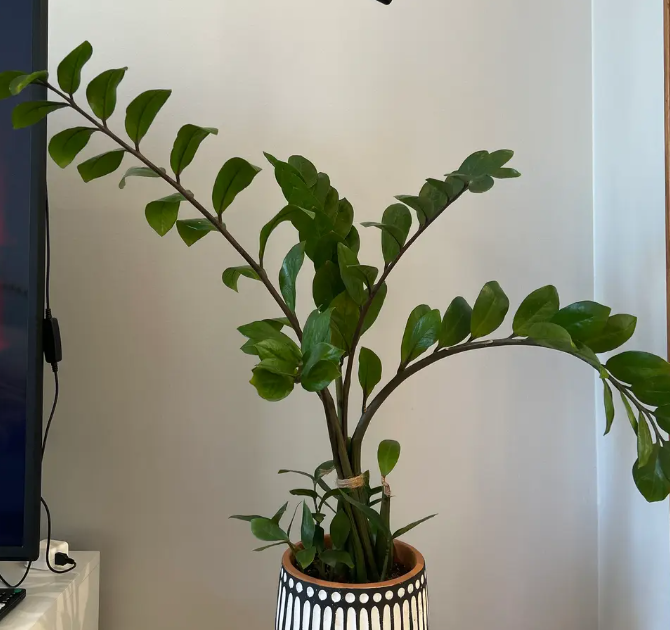
Drooping leaves in ZZ plants typically appear as stems that sag or bend downward, with the foliage losing its usual upright, stiff appearance. You might notice the leaves hanging limply, sometimes with a slight wilting look, especially on stems that appear to be more affected than others. The leaves may also feel softer or more pliable than normal.
Common Causes Overview
Several factors can cause drooping in ZZ plants, but the most common culprits are:
- Overwatering, leading to root rot and poor oxygenation
- Underwatering, resulting in dehydration and dryness
- Low humidity or environmental stress, causing water loss and stress
- Root issues, such as compacted or damaged roots from pests or disease Understanding these causes is crucial to addressing the problem effectively.
Diagnosing the Exact Cause
Follow a Step-by-Step Process
To properly treat your drooping ZZ plant, you need to identify what's causing the issue. Here’s a simple diagnostic process:
Cause 1: Overwatering Leading to Root Rot
- Symptoms: Soft, brown, or black roots when you gently remove the plant from its pot.
- Signs in leaves: Yellowing or browning edges along with drooping on stems.
- Environmental clues: Excessively moist soil that doesn’t dry out between waterings.
Cause 2: Underwatering Causing Dehydration
- Symptoms: Leaves become dry, brittle, and droopy, often with a dull appearance.
- Soil check: Soil feels very dry several inches below the surface.
- Environmental clues: Lack of watering for an extended period or very dry indoor air.
Cause 3: Low Humidity or Environmental Stress
- Symptoms: Leaves may droop or curl slightly, especially during dry indoor seasons.
- Environmental clues: Heated rooms, air conditioning, or low ambient humidity.
How to Tell Which Cause Applies to Your Plant
- Inspect the roots: Gently remove the plant from its pot and examine the roots. Healthy roots are firm and white; rotted roots are mushy and brown.
- Check the soil moisture: Stick your finger 2-3 inches into the soil. If it’s soggy, overwatering is likely; if it’s bone dry, underwatering may be the cause.
- Observe the environment: Consider recent changes in humidity, temperature, or watering habits.
Treatment Solutions
Immediate Actions: Adjusting Watering and Checking Roots
- Overwatered plants: Remove the plant from the pot, trim away rotten roots, and repot in fresh, well-draining soil. Reduce watering frequency.
- Underwatered plants: Water thoroughly until excess drains out, then wait until the top inch of soil dries out before watering again.
- Root health: Always inspect roots during repotting to ensure they’re healthy. Remove any damaged or rotten roots.
Long-Term Care Plan
- Proper watering schedule: Water your ZZ plant when the top inch of soil feels dry. Typically, this means every 2-3 weeks, but adjust based on your environment.
- Humidity control: If indoor air is dry, increase humidity around the plant by placing a tray of water nearby or using a humidifier.
- Light conditions: Ensure your ZZ plant receives bright, indirect light. Too little light can stress the plant and cause drooping.
Monitoring Recovery and Signs of Improvement
- Watch for stems and leaves gradually becoming firm and upright.
- New growth is a good indicator that your plant is recovering.
- Continue adjusting care as needed, and avoid overwatering or underwatering in the future.
Prevention Tips
Establish a Consistent Watering Routine
- Use your finger test or a moisture meter to determine when to water.
- Remember, ZZ plants prefer to be somewhat dry between watering, so avoid frequent watering.
Maintain Optimal Humidity and Light Conditions
- Keep your plant in bright, indirect light.
- Increase humidity during dry months if needed, especially in heated indoor environments.
Regularly Inspect Plant Health and Root Status
- Check roots annually during repotting to catch early signs of rot.
- Remove dead or yellowing leaves to encourage healthy growth.
Conclusion
Drooping leaves on stems of your ZZ plant can be distressing, but with proper diagnosis and care, recovery is well within reach. Whether caused by overwatering, underwatering, or environmental stress, understanding the root cause allows you to take targeted actions. Remember, patience is key—your plant needs time to recover and regain its vitality. With consistent care, your ZZ plant will bounce back and continue to bring lush greenery into your space. Don't hesitate to implement the suggested tips, monitor your plant regularly, and seek professional advice if needed. Your green thumb is stronger than you think!
FAQ
Q: How long does it take for a ZZ plant to recover from drooping leaves?
A: Recovery time can vary depending on the severity of the issue. Generally, you might see signs of improvement within a few weeks after correcting watering and environmental conditions. Patience and consistent care are essential.
Q: Can overwatering permanently damage my ZZ plant?
A: Yes, overwatering can lead to root rot, which may permanently damage the roots and affect the plant’s overall health. However, if caught early, you can trim away rotten roots and repot, giving your plant a good chance to recover.
Q: Should I prune drooping or damaged leaves to help recovery?
A: Yes, pruning damaged or severely drooping leaves can help the plant direct energy toward healthy growth and improve overall appearance. Use clean, sharp scissors or pruning shears to remove affected foliage.
Remember, caring for a ZZ plant is a journey—by understanding its needs and responding promptly to signs like drooping leaves, you’re well on your way to maintaining a happy, healthy indoor garden. Happy planting!