Noticing sticky leaves at the bottom of your ZZ plant can be concerning, but it's a common issue with manageable solutions. Whether you're a beginner plant enthusiast or have been caring for indoor plants for a while, sticky foliage can spark worry about your plant’s health. Rest assured, with a little investigation and proper care, your ZZ plant can bounce back to its glossy, vibrant self. This article will help you understand why your ZZ plant’s lower leaves are sticky, guide you through diagnostic steps to identify the root cause, and provide effective treatment and prevention tips to keep your plant healthy and beautiful.
Understanding the Problem
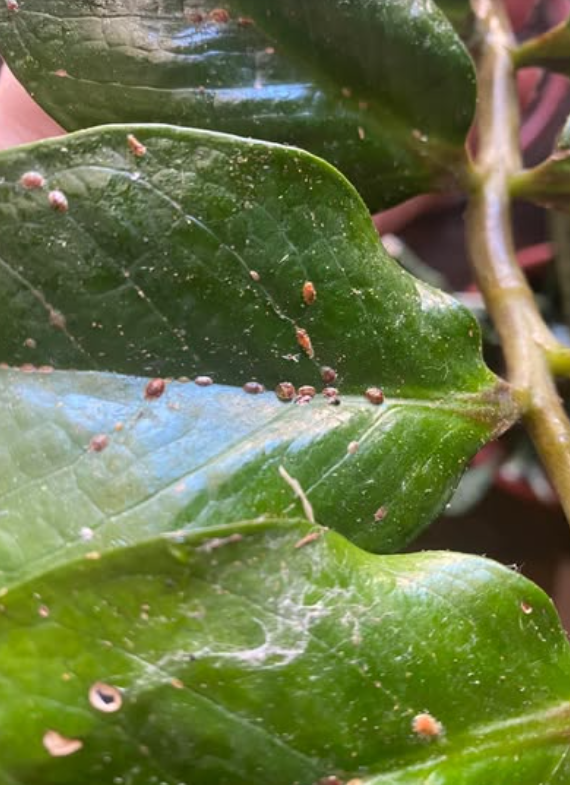
Recognize What Sticky Bottom Leaves Look Like and Why This Issue Occurs
If you’ve observed the lower leaves of your ZZ plant feeling sticky or coated with a slimy substance, you're not alone. This sticky residue can manifest as a shiny film, a sap-like ooze, or a sticky coating on the leaf surface and nearby stems.
Common Causes Overview: Pest Infestation, Sap Exudation, or Environmental Factors
Several factors can cause this sticky phenomenon, including:
- Pest infestation, such as scale insects or mealybugs, which secrete sticky substances called honeydew.
- Sap exudation, a natural response where the plant secretes sap due to stress, injury, or natural growth processes.
- Environmental factors, like overwatering or high humidity, which can promote fungal growth or pest problems, leading to sticky residues. Understanding these causes is essential before deciding on the appropriate treatment.
Diagnosing the Exact Cause
Follow a Step-by-Step Process to Determine the Root Cause of Stickiness
Before taking action, carefully observe your plant to pinpoint what’s causing the stickiness.
Cause 1: Sap Exudation Due to Natural Growth or Stress
- Signs: The sticky substance appears as a clear or slightly yellowish sap oozing from leaf veins or stems, usually during periods of new growth or after pruning.
- Diagnosis: If the residue is minimal, clear, and not accompanied by pests or mold, it’s likely natural sap exudation.
Cause 2: Pest Infestation Such as Scale Insects or Mealybugs
- Signs: Tiny, oval-shaped pests attached to stems or leaf undersides, often covered with a waxy or cottony coating.
- Diagnosis: Look closely under leaves and stems. The honeydew they produce causes sticky residues, and you might notice the pests themselves.
Cause 3: Environmental Issues Like Overwatering or High Humidity
- Signs: Excess moisture creates a humid environment conducive to mold, fungal growth, or pest outbreaks, all of which can cause sticky patches.
- Diagnosis: Check soil moisture levels, overall humidity, and look for mold or fungal growth.
How to Tell Which Cause Applies to Your Plant
- Inspect leaves and stems carefully for pests.
- Observe the appearance and location of the sticky substance.
- Assess watering habits and environmental conditions.
- Note if the stickiness appears during specific growth phases or after pruning.
Treatment Solutions
Implement Targeted Fixes Based on the Diagnosed Cause
Once you've identified the root cause, you can take specific steps to treat your ZZ plant effectively.
Immediate Actions: Cleaning Leaves, Adjusting Watering Habits, Treating Pests
- Cleaning the sticky leaves: Use a soft, damp cloth or sponge with mild soap to gently wipe away the residue. Avoid harsh chemicals that can damage the plant.
- Adjust watering habits: Ensure you’re not overwatering—ZZ plants prefer well-draining soil and infrequent watering. Let the soil dry out between waterings.
- Treating pests: If pests are present, remove them manually with a cotton swab dipped in alcohol, or use an insecticidal soap suitable for indoor plants. Repeat treatments as necessary, following product instructions.
Long-term Care: Improving Environment, Regular Inspections, Preventive Measures
- Maintain proper humidity and light: ZZ plants thrive in moderate to bright indirect light and prefer dry conditions.
- Regular inspections: Check your plant weekly for pests, mold, or abnormal sap exudation.
- Prune as needed: Remove any damaged or heavily infested leaves to prevent spreading.
What to Expect During Recovery
With consistent care, you should notice a reduction in sticky residue within a few days to weeks. The plant’s overall health will improve, and new, healthy leaves will emerge over time.
Prevention Tips
Learn How to Prevent Sticky Leaves from Recurring
Prevention is key to maintaining a healthy ZZ plant free of sticky issues.
Care Routine Adjustments: Proper Watering, Pruning, and Cleaning
- Water only when the top inch of soil feels dry.
- Prune damaged or dead leaves promptly.
- Regularly wipe leaves with a damp cloth to keep dust and residues off.
Environmental Factors: Maintaining Optimal Humidity and Light Conditions
- Keep humidity levels moderate—avoid overly humid rooms.
- Place your ZZ plant in bright, indirect light for optimal growth.
Regular Pest Checks and Natural Remedies to Keep Pests at Bay
- Inspect your plant weekly, especially on the undersides of leaves.
- Use natural deterrents like neem oil or insecticidal soap if pests are detected early.
- Quarantine new plants to prevent introducing pests.
Conclusion
Summary
Addressing the issue of sticky bottom leaves on your ZZ plant involves understanding the cause—whether it’s natural sap exudation, pests, or environmental stress—and applying targeted treatment. Maintaining a consistent care routine, monitoring environmental conditions, and inspecting regularly can prevent recurrence.
Encouragement
With patience and proper attention, your ZZ plant can regain its lush, glossy appearance and continue to thrive indoors. Don’t be discouraged; every plant problem is an opportunity to learn and improve your plant care skills.
Next Steps
Start by carefully diagnosing your plant today. Implement the appropriate treatment, and adopt preventive measures to ensure your ZZ plant remains healthy and beautiful for years to come.
FAQ
Q: How long until I see improvement after treatment?
A: Typically, you can expect to see a noticeable reduction in sticky residue within a week or two after treatment. New growth should appear healthier, and the plant will become less sticky as pests are eliminated or sap production decreases. Consistency in care is key.
Q: Can my ZZ plant fully recover from pest infestation?
A: Yes, with prompt and thorough treatment, many pests like scale insects and mealybugs can be eradicated. Complete recovery depends on the severity of infestation and how quickly you act, but with patience, your plant can bounce back to good health.
Q: Should I prune the sticky or damaged leaves?
A: Yes, pruning heavily infested or damaged leaves can help prevent pests from spreading and improve your plant's overall appearance. Use clean, sharp scissors or pruning shears and dispose of pruned material away from the plant to avoid reinfestation.
By following these guidelines, you can effectively address the issue of sticky leaves at the bottom of your ZZ plant, ensuring it stays healthy, vibrant, and pest-free. Happy gardening!