Learning how to care for your String of Pearls (Senecio rowleyanus) is essential to keep it vibrant and healthy. If you’ve noticed drooping leaves, don’t worry—this is often a sign that your plant needs a little adjustment. In this comprehensive guide, we’ll help you identify the causes of drooping leaves, diagnose the problem accurately, and apply effective solutions to revive your beloved plant. With patience and proper care, your String of Pearls can bounce back quickly, bringing its charming, trailing beauty back into your home.
Section 1: Understanding the Problem
Visual Identification: What Drooping Leaves Look Like
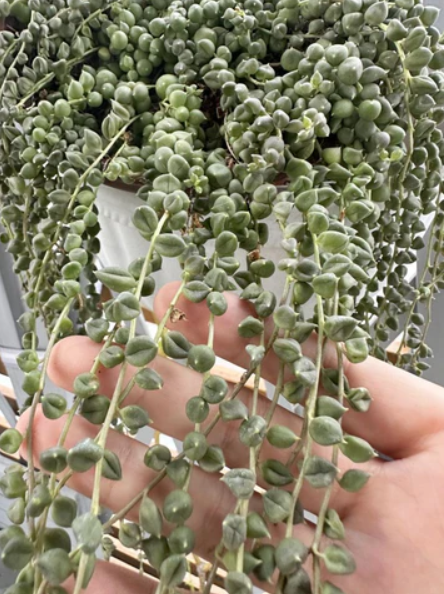
Before jumping to conclusions, it’s important to correctly identify drooping or wilted leaves. Healthy String of Pearls leaves are plump, rounded, and hold a slight curve, giving the plant its distinctive beaded appearance. When leaves start to droop or become limp, they hang downward or flatten out, appearing soft or dehydrated. Sometimes, the stems may seem weak or saggy, especially at the tips.
Common Causes Overview: Overwatering, Underwatering, Improper Light, and Stress
Drooping leaves often result from environmental or care-related issues, primarily:
- Overwatering: Excess water leads to root rot, which causes the plant to lose its ability to absorb nutrients.
- Underwatering: Insufficient water causes dehydration, resulting in shriveled or drooping leaves.
- Improper Light: Too little or too much direct sunlight can stress the plant, leading to droopiness.
- Stress Factors: Sudden changes, drafts, or repotting can also cause temporary drooping as the plant adjusts. Understanding these common reasons will guide you toward the right diagnosis and remedy.
Section 2: Diagnosing the Exact Cause
Step-by-Step Diagnostic Procedures
To effectively fix the drooping leaves, you need to determine the root cause. Follow these steps to pinpoint the issue:
Cause 1: Overwatering Leading to Root Rot
- Check the soil: Gently remove the plant from its pot and inspect the roots. Healthy roots are white or light tan and firm. Rotten roots are dark, mushy, and may emit a foul odor.
- Assess watering habits: Have you been watering frequently, or the soil stays damp for days? Overwatering is a common mistake indoors.
Cause 2: Underwatering Causing Dehydration
- Touch the soil: Is it bone-dry several inches below the surface? Dry, crumbly soil indicates underwatering.
- Examine leaves: Are they shriveled or feel soft and papery? These are signs of dehydration.
Cause 3: Insufficient or Improper Light Levels
- Evaluate light exposure: Is your String of Pearls in bright, indirect light? Too little light can cause stress.
- Signs of inadequate light: Stretched, elongated stems or pale leaves now drooping can point to light deficiency.
How to Tell Which Cause Applies to Your Plant
- If roots are rotten and soil smells sour, overwatering is likely.
- If soil is dry and leaves are shriveled, underwatering is probable.
- If light levels are poor, consider whether your plant is getting enough bright, indirect sunlight. Based on these observations, you can proceed with targeted solutions.
Section 3: Treatment Solutions
Immediate Actions: Adjusting Watering Habits, Removing Damaged Stems
- For overwatering:
- Carefully remove the plant from the pot.
- Trim away any rotten roots with sterilized scissors.
- Repot into dry, well-draining soil.
- Allow the soil to dry out completely before watering again.
- For underwatering:
- Gradually increase watering frequency, ensuring the soil is moist but not soggy.
- Water thoroughly until excess drains out, then let the soil dry before the next watering.
- Removing damaged stems:
- Trim off any drooping, brown, or mushy stems to encourage healthy new growth.
Long-term Treatment Plan: Repotting and Improving Light Exposure
- Repot if root rot is present: Use a pot with drainage holes and a cactus or succulent mix that drains quickly.
- Enhance light conditions: Place your String of Pearls near a south or east-facing window where it receives bright, indirect sunlight. Supplement with grow lights if natural light is limited.
Monitoring Recovery: Signs of Improvement and Ongoing Care
- Expect drooping to lessen within a week of correcting watering habits.
- Look for new, plump beads and healthy, upright stems.
- Continue regular checks; adjust watering and light as needed to maintain optimal health.
Section 4: Prevention Tips
Adjusting Watering Schedules and Ensuring Proper Drainage
- Water only when the top inch of soil feels dry.
- Always use pots with drainage holes to prevent water accumulation.
- Use a well-draining cactus or succulent soil mix to reduce the risk of root rot.
Optimizing Environmental Conditions
- Place your plant where it can get bright, indirect light—ideally around 4-6 hours daily.
- Maintain ambient temperature between 65-80°F (18-27°C), avoiding cold drafts or sudden temperature drops.
- Keep humidity moderate—String of Pearls prefers dry to moderate indoor humidity.
Routine Checks and Gentle Pruning for Overall Plant Health
- Regularly inspect for signs of pests or diseases.
- Gently prune any leggy, damaged, or drooping stems to promote bushier, healthier growth.
- Repot every couple of years to refresh soil and check root health.
Conclusion
Recap of Diagnosing, Fixing, and Preventing Drooping in String of Pearls
Drooping leaves in your String of Pearls can be caused by overwatering, underwatering, light issues, or stress. By carefully examining your plant and soil, you can identify the culprit. Once diagnosed, applying targeted solutions—such as adjusting watering habits, improving light exposure, and repotting—will help your plant recover. Regular maintenance, proper watering, and environmental management are key to preventing future drooping.
Encouragement: Stay Patient—Your Plant Can Recover
Remember, plants can bounce back with attentive care and a little patience. Even if your String of Pearls looks a bit droopy now, it’s resilient. With these practical tips, you’re well-equipped to restore its health and enjoy its graceful trailing beauty once again.
Next Steps: Follow Care Tips and Monitor Regularly
Keep observing your plant’s response to your care adjustments. Over time, you’ll develop a better understanding of its needs, ensuring it remains healthy and vibrant for years to come.
FAQ
Q: How long until I see improvement after fixing watering issues?
A: Typically, you can notice signs of recovery within one to two weeks. The plant’s leaves may perk up, and new growth may appear. Patience is key, as healthy roots need time to regenerate and support new growth.
Q: Can my String of Pearls recover from root rot?
A: Yes, if caught early, removing rotten roots and repotting into dry, well-draining soil can save your plant. Recovery may take several weeks, but with proper care, your String of Pearls can bounce back to health.
Q: Should I prune drooping or damaged stems?
A: Absolutely. Pruning helps remove dead or unhealthy parts and encourages new, vigorous growth. Use clean, sharp scissors to trim back affected stems, which promotes overall plant health and improves visual appearance.
Your String of Pearls is a delicate but resilient plant. By understanding its needs and acting promptly to address issues, you can keep it thriving and bring charm to your indoor space for years to come. Happy gardening!