Struggling with root rot in your Philodendron? You're not alone—this is a common concern among indoor plant enthusiasts, especially those new to caring for this lush, vibrant houseplant. Root rot can be alarming, but with the right knowledge and prompt action, your plant can recover beautifully.
This article will help you understand what root rot looks like, explore the common causes, guide you through effective treatment options, and share simple preventive measures to keep your Philodendron healthy and thriving. Remember, with patience and proper care, your plant can bounce back and flourish again.
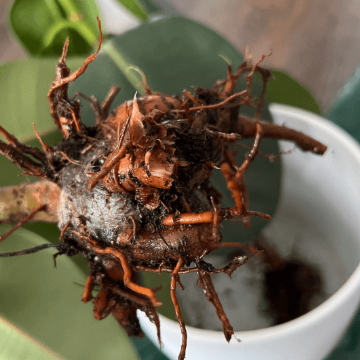
Section 1: Understanding the Problem
Visual identification: Mushy, dark, or foul-smelling roots
The first sign of root rot is often visible when you inspect your plant’s roots. Healthy Philodendron roots arefirm, white or light tan, and smell fresh. When root rot develops, you’ll notice:
- Mushy, slimy texture
- Dark brown or black coloration
- Foul or sour smell coming from the roots If you see these symptoms when you gently remove your plant from its pot, it’s a clear indicator that root rot has set in.
Common causes overview: Overwatering, poor drainage, soil compaction
Root rot generally occurs because of excess moisture around the roots, which leads to a lack of oxygen and encourages fungal growth. The frequent causes include:
- Overwatering—giving your plant more water than it can absorb
- Poor drainage—using pots without drainage holes or soil that retains too much water
- Soil compaction—hard, dense soil that doesn’t allow water to escape efficiently and restricts air movement Understanding these causes is crucial to combating root rot effectively.
Section 2: Diagnosing the Exact Cause
Step-by-step process to determine what led to root rot in your plant
Accurate diagnosis helps you implement targeted treatment and prevent future problems. Here’s how to identify the root cause:
Cause 1: Overwatering and excess moisture
- Check your watering habits: Are you watering your Philodendron more than once every week or when the top inch of soil feels damp?
- Look at the pot’s drainage: Does it have drainage holes? Is water sitting in the saucer?
Cause 2: Poor drainage or contaminated soil
- Remove the plant from its pot and inspect the roots: Are they overly wet, soggy, or smell bad?
- Evaluate soil quality: Is it dense, clay-like, or old, compacted? Such soil retains too much moisture and impedes drainage.
Cause 3: Improper watering frequency or timing
- Consider your indoor environment: Is the air humid or humidified? Are you watering on a fixed schedule irrespective of soil moisture?
How to tell which cause applies to your situation
- If roots are soggy and salty deposits appear in the soil, overwatering is likely.
- If roots are mushy but the watering frequency is moderate, poor drainage or contaminated soil may be the culprit.
- If the soil remains constantly wet despite infrequent watering, drainage issues are probably involved.
Section 3: Treatment Solutions
Practical steps to save your Philodendron and promote healthy roots
Acting quickly can prevent further damage. Follow these steps:
Immediate actions: Remove affected roots, adjust watering habits
- Carefully remove your plant from its pot.
- Gently wash the roots under lukewarm water.
- Use sterilized scissors or pruning shears to cut away all brown, mushy, or foul-smelling roots.
- Discard heavily infested soil and roots.
- Once cleaned, replant in fresh, well-draining soil.
Long-term treatment plan: Repot in well-draining soil, sterilize tools
- Choose a pot with drainage holes to prevent water accumulation.
- Use a soil mix designed for aroids or houseplants—containing perlite, peat, or sand for excellent drainage.
- Sterilize your tools with alcohol or boiling water before pruning.
- After repotting, hold off on watering for about a week to allow roots to recover.
During recovery: Maintain proper humidity, avoid overwatering
- Keep your Philodendron in a warm, bright spot but out of direct sunlight.
- Water only when the top inch of soil feels dry.
- Maintain humidity levels around 60–80%, as Philodendrons love moist air.
- Avoid overwatering and unguarded watering routines.
Section 4: Prevention Tips
Strategies to prevent root rot from happening in the future
Prevention is always better than cure. Incorporate these habits into your care routine:
Care routine adjustments: Water only when soil is dry, use pots with drainage holes
- Check soil moisture with your finger or a moisture meter before watering.
- Water thoroughly until excess drains out; never let your plant sit in water.
- Use pots with drainage holes to facilitate excess water escape.
Environmental factors: Monitor humidity, avoid water sitting in saucers
- Use a humidity tray or mist occasionally if the indoor air is dry.
- Empty saucers immediately after watering to prevent water from sitting and causing root issues.
- Place your Philodendron in a well-lit spot with indirect sunlight—this encourages healthy, fast-draining soil drying and prevents excessive moisture buildup.
Conclusion
Recap: Proper diagnosis, swift treatment, and preventive care are key to curing root rot
Dealing with root rot can seem daunting, but understanding why is my Philodendron having root rot and acting promptly makes a significant difference. By carefully diagnosing the root cause, removing damaged roots, and repotting in appropriate soil, you give your plant the best chance to recover.
Encouragement: Your Philodendron can bounce back with the right attention—don't give up!
Remember, plants are resilient, and with a little patience and consistent care, your Philodendron can regain its vitality and continue to beautify your indoor space.
Next steps: Start by inspecting your plant’s roots and adjusting your watering routine today
Take a moment to check your plant's roots now, adjust your watering habits, and implement prevention tips. Your plant will thank you for it!
Q: Why does my Philodendron's root rot keep coming back?
A: Recurrent root rot often results from ongoing overwatering, poor drainage, or soil that remains too moist. Ensuring your pot has proper drainage, using suitable soil, and watering only when necessary can help prevent returns.
Q: Should I prune all the brown roots or just the obviously affected parts?
A: Always prune only the affected roots, cutting back all mushy, dark, or foul-smelling parts to healthy tissue. Leaving some healthy roots intact helps support the plant's recovery.
Q: How long until I see my Philodendron recover?
A: Recovery time varies depending on damage severity. Usually, you might see new growth within a few weeks if the plant is cared for properly, but full recovery could take a couple of months.
With attentive care and a little patience, your beloved Philodendron can make a full comeback. Happy planting!