Discover why your ZZ plant's sticky leaves are turning transparent, learn diagnostic steps, and find effective solutions to restore healthy growth.
Introduction
Noticing your ZZ plant's leaves becoming sticky and transparent can be quite worrisome. As a plant enthusiast, especially if you're a beginner or intermediate grower, it’s natural to feel concerned when your beloved plant shows signs of distress. But don’t worry—this issue is surprisingly common and, with a little careful investigation and care, entirely fixable. In this article, we’ll explore why your ZZ plant’s leaves are sticky and turning transparent, how to diagnose the root cause, and practical, easy-to-implement solutions that will help your plant recover and thrive once again. With patience and attentive care, your ZZ plant can bounce back to health!
Section 1: Understanding the Problem
Visual identification
First, let’s get familiar with the symptoms. When your ZZ plant exhibits sticky, transparent leaves, you might notice:
- A shiny, sticky residue on the surface of the leaves.
- Leaves appearing translucent or glass-like, especially along the edges or tips.
- Possible discoloration or wilting if the problem persists.
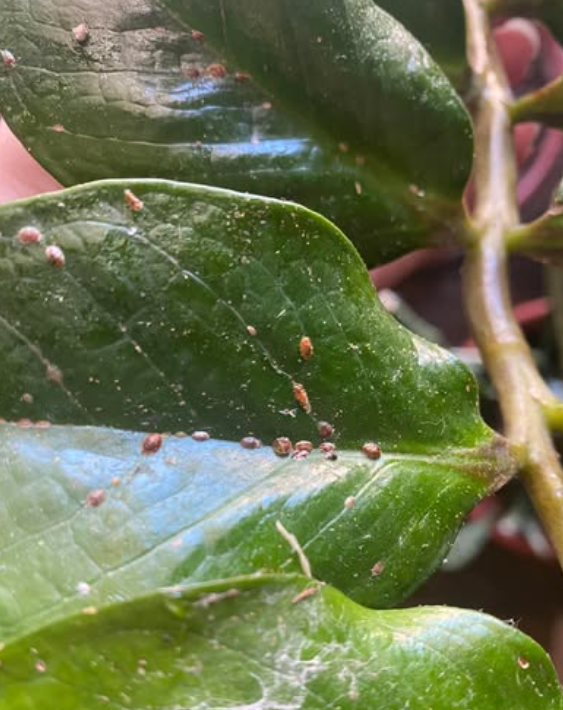
- Sometimes, you might also see small insects like scale or mealybugs hiding on the leaves or stems.
Common causes overview
These symptoms often stem from a few common issues:
- Pest infestations: Sap-sucking pests such as scale insects or mealybugs produce sticky honeydew that coats the leaves.
- Environmental stress: Overwatering, high humidity, or sudden temperature changes can cause bacterial or fungal infections leading to sticky, transparent leaves.
- Bacterial infections: Certain bacterial diseases can produce a sticky exudate and cause tissue transparency. Understanding these causes is the first step towards effective treatment.
Section 2: Diagnosing the Exact Cause
To effectively treat your ZZ plant, you need to pinpoint what’s causing the sticky, transparent leaves. Follow these steps:
Cause 1: Sap-sucking pests like scale insects or mealybugs
How to identify:
Carefully inspect the undersides of leaves and stems for tiny, oval-shaped pests (scale) or fluffy white cotton-like clusters (mealybugs). They often hide in crevices and are difficult to see at first glance. Their presence is usually accompanied by the sticky honeydew they secrete.
Cause 2: Excessive watering or high humidity leading to bacterial or fungal issues
How to identify:
Check your watering habits. Overwatering can lead to root rot and bacterial infections. Look for soft, mushy spots on the leaves or stems, and feel the soil—if it’s waterlogged, that's a red flag.
Cause 3: Environmental stress such as temperature fluctuations or direct sunlight
How to identify:
Assess the plant’s environment. Has it been exposed to direct sunlight, or sudden temperature changes? These stressors can weaken the plant’s defenses, making it susceptible to infections.
How to tell which cause it is:
- Inspect leaves closely for pests—scale or mealybugs.
- Review watering practices—has the plant been overwatered recently?
- Observe environmental conditions—is it exposed to direct hot sunlight or drafts?
- Combining these observations will help you determine the primary cause.
Section 3: Treatment Solutions
Once you’ve diagnosed the cause, follow targeted solutions:
Immediate actions:
- Gently wipe leaves with a soft, damp cloth to remove honeydew and residue.
- Isolate the affected plant to prevent pests from spreading.
- Apply natural remedies such as neem oil, insecticidal soap, or horticultural oil to eliminate pests. For bacterial issues, a mild hydrogen peroxide solution can help disinfect affected areas.
Long-term treatment plan:
- Adjust watering habits—allow the soil to dry out slightly between watering to prevent overwatering.
- Improve air circulation around your plant by spacing it properly and avoiding stagnant air.
- Implement pest control as needed—repeat treatments every week until pests are eradicated.
- Monitor humidity levels—use a dehumidifier if your environment is too humid.
Recovery expectations:
- You may notice improved leaf texture and a reduction in stickiness within a few days.
- Translucent leaves should gradually regain their normal appearance as the plant heals.
- Continue consistent care, and your ZZ plant will show signs of recovery—new, healthy leaves will eventually grow.
Section 4: Prevention Tips
Prevention is always better than cure. Here are simple habits to keep your ZZ plant healthy and free from sticky, transparent leaves:
Care routine adjustments
- Regularly inspect your plant for early signs of pests or diseases.
- Clean leaves periodically with a damp cloth to prevent dust and pest buildup.
- Water appropriately—allow the top inch of soil to dry out before watering again.
Environmental factors to monitor
- Maintain proper humidity levels—avoid overly humid environments that favor bacterial growth.
- Provide suitable light exposure—bright, indirect sunlight is ideal.
- Avoid sudden temperature swings—keep your plant away from drafts, heaters, or air conditioners.
Conclusion
Recap
Sticky, transparent leaves in ZZ plants are often caused by pests, overwatering, or environmental stress. Identifying the root cause through careful inspection is crucial for effective treatment. With targeted actions such as pest control, adjusting watering routines, and improving environmental conditions, your ZZ plant can recover beautifully.
Encouragement
Don’t be discouraged if your plant shows signs of distress. Many plant parents have successfully revived their ZZ plants with attentive care and patience. Remember, your plant’s resilience is impressive—your efforts will pay off!
Next steps
Start by thoroughly inspecting your ZZ plant for pests or signs of overwatering. Implement the recommended treatments, and adopt preventive habits to keep your plant healthy. Before long, your ZZ plant will be vibrant, lush, and free from sticky, transparent leaves!
Frequently Asked Questions (FAQs)
Q: How long until I see improvement after treatment?
A: The timeline varies depending on the severity of the issue. Usually, you’ll notice a reduction in stickiness and a healthier appearance within a few days to a week after starting treatment. Consistent care and repeated treatments may be necessary for full recovery.
Q: Can my ZZ plant fully recover from sticky leaves?
A: Yes, with proper diagnosis and care, most ZZ plants can recover completely. New growth will typically replace damaged leaves, and the plant’s overall health will improve.
Q: Should I prune the damaged parts or just treat the plant?
A: If leaves are heavily affected or damaged, pruning them can help the plant conserve energy and promote healthy new growth. Always use clean, sharp scissors and sterilize tools before pruning to prevent spreading infections.
Your ZZ plant’s sticky, transparent leaves are a sign that it needs attention, but with the right care, it can bounce back stronger than ever. Keep observing, diagnose accurately, and act promptly—your plant will thank you!