Discover effective ways to diagnose and fix Calathea yellow leaves with easy tips and prevention advice from plant care experts.
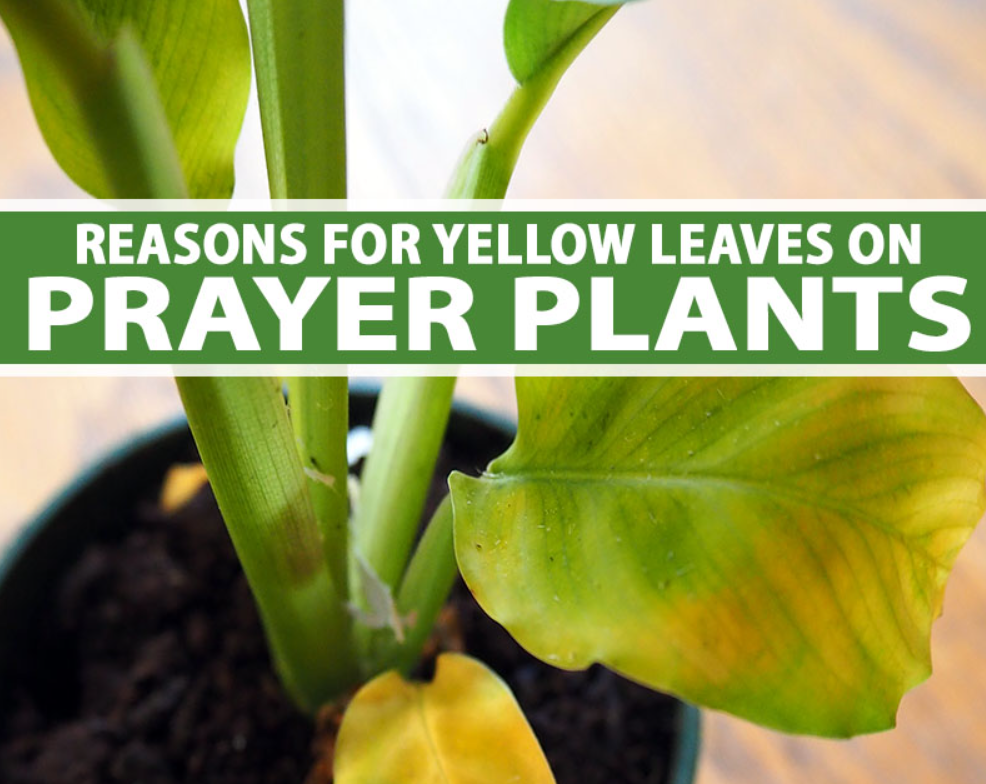
Indoor plant enthusiasts often find joy in raising beautiful, lush Calatheas. But when their vibrant green leaves start turning yellow, it can be quite worrying. Don’t worry—yellow leaves on your Calathea are common and usually straightforward to address with proper care. This guide will help you identify the causes of yellowing leaves and teach you simple, effective solutions to bring your plant back to life. With patience and a few adjustments, your Calathea can regain its stunning appearance and thrive once more.
Section 1: Understanding the Problem
Before jumping into fixes, it’s crucial to recognize what yellow leaves indicate and understand the common root causes.
Visual Identification of Yellow Leaves
Yellowing leaves on your Calathea can appear in various ways:
- Entire leaves turn yellow from the edges inward.
- Yellow patches scattered across the leaves.
- Leaves with yellow tips or margins.
- Falling or drooping leaves that have turned yellow. Pay close attention to the pattern and location of the yellowing, as this will give clues about the underlying issue.
Common Causes Overview
Here are some frequent reasons why Calathea leaves turn yellow:
- Overwatering: Waterlogged soil causes root rot, leading to poor nutrient absorption.
- Underwatering: Dry soil stresses the plant, resulting in yellowing leaves.
- Light Issues: Too much direct sunlight burns the leaves; too little light weakens the plant.
- Nutrient Deficiency: Lack of essential nutrients like nitrogen can make leaves yellow.
- Pests and Diseases: Infestations, like spider mites or fungal infections, damage foliage and cause discoloration. Understanding these causes helps narrow down the real reason behind your Calathea’s yellow leaves.
Section 2: Diagnosing the Exact Cause
Proper diagnosis involves observing your plant closely and examining environmental factors.
Cause 1: Overwatering Leading to Root Rot
Symptoms:
- Soil feels consistently wet or soggy.
- Roots are brown, black, and mushy when checked.
- Yellow leaves accompanied by a foul smell from the soil.
How to confirm:
Gently remove the plant from its pot and inspect the roots; healthy roots are white and firm.
Cause 2: Insufficient Light or Direct Sunlight Stress
Symptoms:
- Leaves turn yellow and look bleached or scorched.
- Leaves may curl or develop brown edges.
How to confirm:
Check your plant’s location; if it’s in direct sunlight for prolonged periods, it’s likely the cause.
Cause 3: Nutrient Deficiency or Imbalance
Symptoms:
- Overall pale or yellowing foliage.
- Slow growth.
How to confirm:
Review fertilization routine—lack of balanced feeding can lead to deficiency.
How to Tell Which Cause Applies to Your Plant
Assess:
- Soil moisture level.
- Light exposure.
- Fertilization history.
- Root health if possible. By methodically checking these factors, you can pinpoint the precise cause of your Calathea’s yellow leaves.
Section 3: Treatment Solutions
Once you’ve identified the cause, implement targeted remedies to help your Calathea recover.
Immediate Actions
-
Adjust watering:
If overwatered, let the soil dry out completely before watering again. Ensure the pot has drainage holes. -
Improve lighting:
Move your Calathea to bright, indirect light. Avoid direct sunlight, which can scorch leaves. -
Fertilize appropriately:
Use a balanced, water-soluble houseplant fertilizer at half strength every 4-6 weeks during the growing season.
Long-term Treatment
-
Establish proper watering routines:
Water when the top inch of soil feels dry. Maintain consistent moisture without oversaturating. -
Enhance soil quality:
Use well-draining, aerated potting mix enriched with organic matter. -
Manage light conditions:
Position your plant near east or north-facing windows for ideal indirect light.
What to Expect During Recovery and Signs of Improvement
- Fresh, healthy green new growth.
- Yellowing leaves gradually turning green or wilting away.
- Overall plant looks vibrant and revitalized over several weeks. Patience is key—recovery might take some time, but consistent care makes a significant difference.
Section 4: Prevention Tips
Prevent yellow leaves from reappearing with these proactive strategies:
Maintaining Optimal Watering and Humidity Levels
- Water only when the topsoil feels dry.
- Use a humidity tray or mist regularly to maintain 50-60% humidity—ideal for Calathea.
Ensuring Proper Light Conditions
- Provide bright, indirect light.
- Avoid direct sun, especially during peak hours.
Regular Inspection for Pests and Diseases
- Check leaves and stems weekly for pests like spider mites or mealybugs.
- Remove any infected or damaged leaves promptly.
Using the Right Soil and Fertilization Schedule
- Use a high-quality, well-draining potting mix designed for tropical plants.
- Feed your Calathea with a balanced fertilizer during active growing months. Through consistent and mindful care, your Calathea can stay healthy and resist yellowing in the future.
Conclusion
Addressing yellow leaves on your Calathea starts with understanding the underlying causes—whether it's overwatering, light issues, nutrition, or pests. By diagnosing carefully and applying targeted solutions, you can restore your plant’s vibrant, lush foliage. Remember, patience and consistent care are vital. With these tips, you'll be well on your way to nurturing a happy, healthy Calathea. Start diagnosing today, and see your plant flourish again!
FAQ
Q: How long until I see improvement after fixing watering or lighting issues?
A: Typically, you can notice signs of recovery within a few weeks. New healthy growth should appear, and existing yellow leaves may slowly turn green or wilt away. Consistency in proper care accelerates recovery.
Q: Can yellow leaves turn green again?
A: In most cases, yellow leaves that have been severely damaged won't turn green again. However, if the yellowing is caught early and the cause is addressed, new growth should be healthy and green.
Q: Is it necessary to prune yellow or damaged leaves?
A: Yes. Removing yellow or damaged leaves helps redirect the plant's energy toward healthy growth, reduces the risk of pests and diseases, and improves the plant’s appearance.
With these careful steps and ongoing attention, your Calathea can thrive and bring natural beauty into your home for years to come. Happy gardening!