Quick Summary:
If your Fiddle Leaf Fig (Ficus lyrata) is stretching tall with sparse leaves, don’t worry—it's a common issue. By understanding the causes and taking simple steps, you can help your plant grow fuller and healthier again.
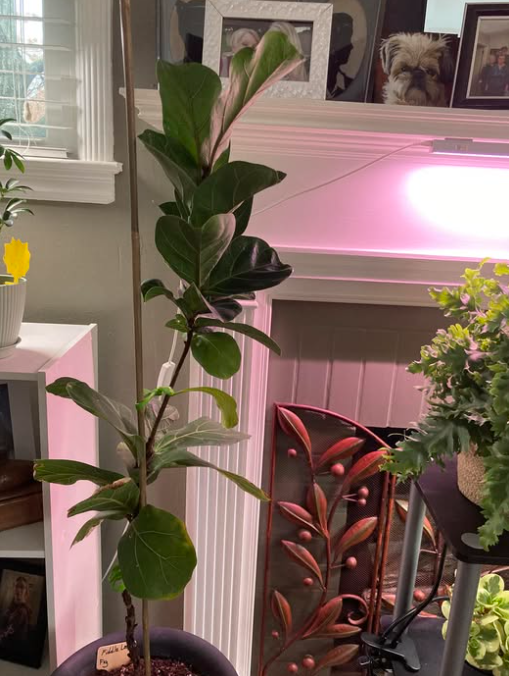
Introduction
Noticing your Fiddle Leaf Fig towering, with long, thin stems and only a few leaves? It can be frustrating to see your once lush plant become leggy and sparse, especially when you’ve invested so much care and love. This common problem, called "legginess," often makes your beautiful plant look stretched and underwhelming, leaving you wondering what went wrong. The good news is, leggy growth is usually fixable through some straightforward adjustments in light, pruning, and care routine. Often, it’s a sign that your plant isn’t getting the optimal environment it needs to thrive, but with patience and gentle guidance, your Fiddle Leaf Fig can bounce back with fuller, bushier growth. In this article, I’ll walk you through understanding what causes legginess in Fiddle Leaf Figs, how to diagnose your specific plant’s issues, and share simple, practical solutions you can start today. Rest assured, your plant’s growth can be restored, and you’ll soon be enjoying a healthier, more vibrant Fiddle Leaf Fig.
Section 1: Understanding the Problem
Visual Identification
A leggy Fiddle Leaf Fig typically shows these signs:
- Tall, thin stems with few leaves spaced far apart
- Sparse foliage making the plant look elongated and sparse
- Leaning or leaning toward the light source
- Leaves may still be healthy but appear farther apart or smaller
Why Does This Matter?
Leggy growth indicates that your plant is stretching in search of better light, which affects its overall health and aesthetic appeal. If left uncorrected, it can lead to fragile stems prone to breaking, or uneven growth that isn’t structurally sound.
Common Causes Overview
- Insufficient light: The most frequent culprit. Fiddle Leaf Figs thrive in bright, indirect sunlight. Without enough light, they stretch to reach brighter spots.
- Improper pruning or overcrowding: Overgrown or unpruned plants tend to grow taller in an effort to accommodate their leaves.
- Environmental stress and fertilization: Sudden changes, over-fertilizing, or poor soil can promote uneven or rapid growth patterns. Understanding which of these factors affects your plant is key to fixing the problem effectively.
Section 2: Diagnosing the Exact Cause
Follow these steps to figure out what's causing your Fiddle Leaf Fig’s legginess.
Cause 1: Insufficient sunlight
- Symptoms: Tall, lanky stems with sparse leaves, especially if your plant is placed in a low-light corner or a room without bright windows.
- How to confirm: Notice if your Fiddle Leaf Fig is near a window that gets little indirect light or if it’s in a shaded space.
- Why it happens: Your plant stretches to reach the available higher light levels, sacrificing bushiness for height.
Cause 2: Overcrowding or improper pruning
- Symptoms: The plant looks like it's trying to grow taller, with long stems and minimal branching.
- How to confirm: Check if neighboring plants or furniture block light, or if the plant’s been neglected in pruning.
- Why it happens: Without pruning to encourage side growth, the plant focuses energy on vertical stretch.
Cause 3: Excessive fertilization or nutrient imbalance
- Symptoms: Rapid, uneven growth with long internodes (spaces between leaves) that make stems appear elongated.
- How to confirm: Review your fertilization routine—overfeeding can cause spindly growth.
- Why it occurs: Over-fertilizing provides excess nutrients, encouraging fast, weak stem growth that’s not sturdy.
Decision Checklist:
- Is your plant in a low-light environment? Yes / No
- Has it been recently pruned or heavily fertilized? Yes / No
- Are the stems long and thin with sparse leaves? Yes / No
Identify the predominant cause based on your answers—this will guide your corrective steps.
Section 3: Treatment Solutions
Now, let’s explore practical steps to help your Fiddle Leaf Fig regain its fullness.
Immediate Actions (First 24-48 Hours)
-
Increase Lighting:
-
Move your plant closer to a bright window with filtered or indirect sunlight.
- Use grow lights: If natural light is limited, supplement with full-spectrum grow LEDs, keeping lights 12-18 inches above the plant for about 12-14 hours daily.
-
Prune Leggy Stems:
-
Using clean, sharp scissors or pruning shears, cut back the elongated stems just above a node (where a leaf meets the stem).
- This encourages the plant to produce new, bushier growth from the base.
-
Remove Excess Fertilizer:
-
Temporarily stop fertilizing or dilute your fertilizer to half strength. Over-fertilizer can worsen legginess.
Long-Term Treatment
- Establish a Proper Light Routine:
- Aim for bright, indirect light for at least 6 hours a day, ideally placed near an east or south-facing window.
- Regular Pruning and Pinching:
- Periodically trim to encourage side branches and fullness.
- Pinch new growth tips to promote bushier development.
- Proper Watering & Soil Care:
- Water only when the top inch of soil feels dry.
- Use well-draining soil to prevent root stress, which can exacerbate abnormal growth.
- Re-pot if Needed:
- If roots are crowded, consider repotting to a slightly larger container to promote healthy, sturdy growth.
Recovery Expectations
With consistent care, your Fiddle Leaf Fig should start showing signs of denser foliage within 3-6 months. New growth will become fuller as you maintain optimal light and pruning routines.
Additional Natural Remedies
- Neem Oil: Can help prevent pests that may stress the plant.
- Hydrogen Peroxide Solution: A diluted mix (1 part peroxide to 4 parts water) sprayed lightly can promote root health, especially if you suspect root stress. Warning: If your plant’s stems remain weak despite these measures, consider consulting a local plant expert. Sometimes, persistent legginess indicates a deeper root health issue.
Section 4: Prevention Tips
Avoid future legginess by maintaining the right environment:
- Provide consistent, bright, indirect light: Daily exposure is key.
- Rotate your plant weekly: This encourages even growth on all sides.
- Prune regularly: Pinch or trim to promote bushiness.
- Avoid over-fertilizing: Stick to the recommended feeding schedule—about once every 6-8 weeks during the growing season.
- Maintain optimal humidity and temperature: Fiddle Leaf Figs prefer 60-75°F with humidity around 50%. Keep away from cold drafts or direct air conditioning.
- Water thoughtfully: Every 1-2 weeks depending on soil dryness; overwatering causes stress and weak stems. By maintaining these conditions, you'll help your Fiddle Leaf Fig grow into a lush, full plant, free from legginess.
Frequently Asked Questions
Q: How long until I see improvement in my Fiddle Leaf Fig's growth?
A: Typically, within 3-6 months of proper care, you’ll notice new, denser growth. Patience is key!
Q: Can I prune my plant to fix leggy growth without harming it?
A: Yes! Pruning is beneficial. Cut just above a node to encourage branching. Use clean, sharp tools to prevent infection.
Q: What are the best lighting conditions for a Fiddle Leaf Fig to prevent legginess?
A: Bright, filtered, indirect sunlight for at least 6 hours daily is ideal. East or south-facing windows work best.
Conclusion
Key Takeaways:
- Leggy Fiddle Leaf Figs are usually caused by insufficient light, improper pruning, or over-fertilization.
- Increasing bright, indirect light and pruning encourage bushier, fuller growth.
- Regular care, including proper watering, fertilization, and environmental monitoring, prevents future legginess.
- With patience and consistent adjustments, your plant can become lush and vibrant once more! Remember, your plant’s health depends on what you give it—so keep observing, learning, and caring. Your Fiddle Leaf Fig has the potential to be a stunning centerpiece in your home. Start today by reviewing your lighting setup and pruning, and watch your plant thrive again!