Are your Aloe Vera's leaves losing their radiant green hue? Don’t worry—you're not alone. Pale or faded leaves are common signs that your beloved plant might need some gentle care adjustments. Fortunately, with a bit of knowledge and mindful care, you can restore your Aloe Vera to health, keeping it vibrant and resilient.
In this article, we’ll explore why Aloe Vera leaves turn pale, how to diagnose the underlying causes, and most importantly, how to fix the problem with simple, effective solutions. Whether you're a beginner or an experienced plant parent, you'll find actionable tips that will help your Aloe Vera bounce back happily.
Section 1: Understanding the Problem
Visual identification of pale or faded leaves
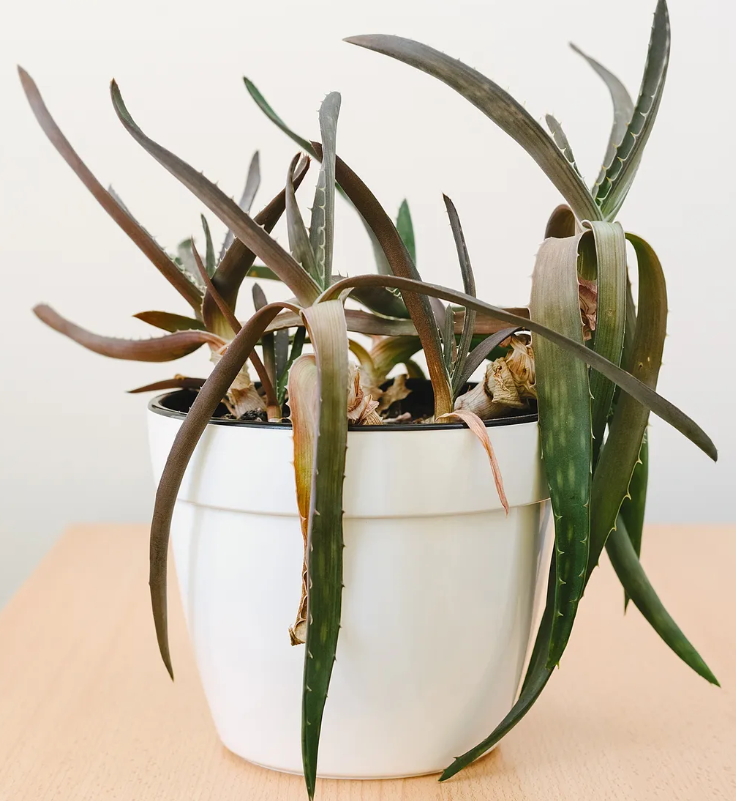
First off, it’s important to recognize what "pale" truly looks like. Healthy Aloe Vera leaves are typically a rich, vibrant green with a slightly glossy appearance. Pale leaves might appear dull, washed out, or even whitish. You might notice some leaves losing their color gradually, while others may show patches of pale or yellowish areas.
Common causes overview including overwatering, inadequate light, nutrient deficiencies, and environmental stress
Several factors can cause Aloe Vera leaves to lose their color:
- Overwatering: Excess water can stress the roots, leading to poor nutrient uptake.
- Insufficient light: A lack of bright, indirect sunlight lowers chlorophyll production, resulting in paler leaves.
- Nutrient deficiencies: Lack of essential nutrients like nitrogen or iron can make leaves look faded.
- Environmental stress: Drafts, sudden temperature changes, or low humidity can weaken the plant and cause color loss. Understanding these common causes is the first step toward diagnosis and treatment.
Section 2: Diagnosing the Exact Cause
Step-by-step process to pinpoint why your Aloe Vera has pale leaves
Accurate diagnosis helps tailor the best solution. Here’s how to figure out what’s bothering your Aloe Vera:
Cause 1: Overwatering leading to root stress and leaf pale coloration
- Signs: Soft, mushy leaves; waterlogged soil that drains poorly; or roots that appear brown and rotten when checked.
- How to confirm: Gently remove the plant from its pot and inspect the roots. Healthy roots are white or light tan and firm. Diseased roots are dark, soft, or foul-smelling.
Cause 2: Insufficient light causing loss of chlorophyll
- Signs: Pale green or yellowish leaves, elongated or stretched growth (etiolation).
- How to confirm: Observe the plant’s placement. Is it in a spot with bright but indirect sunlight? If not, low light is likely the culprit.
Cause 3: Nutrient deficiencies, especially nitrogen or iron
- Signs: Uniform pale appearance or yellowing veins while leaf edges stay green.
- How to confirm: Consider your fertilization routine. Has the soil been replenished? Sometimes, lack of feeding over time causes deficiencies.
How to tell which factor is affecting your plant
- Overwatering? Roots are soft or foul-smelling.
- Lack of light? The plant is in a dim corner or behind heavy curtains.
- Nutrient deficiency? The soil looks barren, and the plant’s overall health is declining despite proper watering and light. Careful observation and inspection are key to accurate diagnosis.
Section 3: Treatment Solutions
Immediate actions: adjusting watering habits and relocating the plant for better light
- Reduce watering frequency: Allow the soil to dry out completely between waterings. For Aloe Vera, watering every 3 weeks or so is usually sufficient.
- Improve light exposure: Place your Aloe Vera near a south or east-facing window where it receives plenty of bright, indirect sunlight. If natural light is limited, consider using a grow light.
Long-term treatment: fertilization plans and improving soil or potting mix
- Fertilize appropriately: Use a balanced, succulent-specific fertilizer during the growing season (spring and summer). Follow label instructions for dilution and frequency—typically once a month.
- Revise soil and potting practices: Ensure the soil is well-draining, such as a cactus or succulent mix. If the soil is compacted or contains too much organic matter, repot with fresh, sandy soil to optimize drainage and root health.
Monitoring during recovery to ensure improvement
- Keep an eye on new growth—healthy, vibrant leaves indicate recovery.
- Remove any severely damaged or yellowed leaves to focus the plant’s energy on new, healthy growth.
Section 4: Prevention Tips
How to keep your Aloe Vera healthy and avoid pale leaves in future
- Consistent watering schedule and proper drainage: Only water when the top inch of soil feels dry. Always use a pot with drainage holes.
- Providing adequate, indirect sunlight: Aim for at least 4-6 hours of bright, indirect sunlight daily.
- Using balanced fertilizers suitable for succulents: Feed your Aloe Vera during the active growing season; avoid over-fertilizing.
- Maintaining stable temperature and avoiding drafts: Keep your plant in a warm spot, ideally between 60-75°F (15-24°C), and away from cold drafts or air conditioners. By establishing these good habits, you significantly reduce the risk of your Aloe Vera's leaves turning pale again.
Conclusion
Summary
In summary, pale Aloe Vera leaves often signal an underlying issue such as overwatering, inadequate light, or nutrient deficiencies. By recognizing the signs, diagnosing the cause, and applying targeted solutions, you can help your plant regain its lush green color and overall vitality.
Encouragement
Don’t be discouraged—your Aloe Vera is resilient! With a little attention and care, it can recover beautifully. Remember, plants are remarkably adaptable when given the right environment and consistent care.
Next steps
Start assessing your Aloe Vera today. Check its watering schedule, light exposure, and soil condition. Implement the tailored solutions we've discussed, and with patience, you'll see your plant thrive once more.
FAQ
Q: How long does it take for Aloe Vera leaves to turn green again?
A: Usually, you’ll begin to notice signs of improvement within a few weeks after adjusting watering, light, and nutrition. Healthy new growth will be greener and more vigorous, signaling recovery. Patience is key, as mature leaves may take longer to regain their full color.
Q: Can I save a severely pale or yellowing Aloe Vera?
A: Yes, with prompt and appropriate care, even severely pale or yellowing Aloe Vera can recover. Remove the damaged leaves, enhance light exposure, improve watering practices, and ensure proper soil drainage. In some cases, new healthy growth will eventually replace the affected leaves.
Q: Is it safe to prune pale or damaged leaves?
A: Absolutely. Pruning pale, yellow, or damaged leaves helps your plant focus its energy on healthy growth. Use clean, sharp scissors or pruning shears, and make cuts close to the base without damaging the healthy parts of the plant.
By understanding the causes and applying these caring strategies, you'll keep your Aloe Vera healthy, lush, and beautiful. Happy gardening!