Noticing white fuzz on your Aloe Vera? You're not alone—many plant lovers face this issue. Whether you're a beginner or an intermediate enthusiast, discovering fuzzy growth on your beloved plant can be worrying. But don't worry—understanding the causes and knowing how to address them can help your Aloe Vera bounce back quickly. In this article, we'll explore what causes white fuzz, how to diagnose the problem accurately, and simple, effective solutions to restore your plant’s health with confidence.
Understanding the Problem
What does white fuzz on Aloe Vera look like?
First, it’s important to visually identify the white fuzz. It might appear as:
- A soft, cottony growth covering parts of the plant
- Tiny, mite-like specks that seem fuzzy or woolly
- A powdery or mold-like layer on the leaves or soil surface
This fuzz can vary in appearance—sometimes it resembles spider webbing, other times it looks like a thin coating of white or grayish cotton.
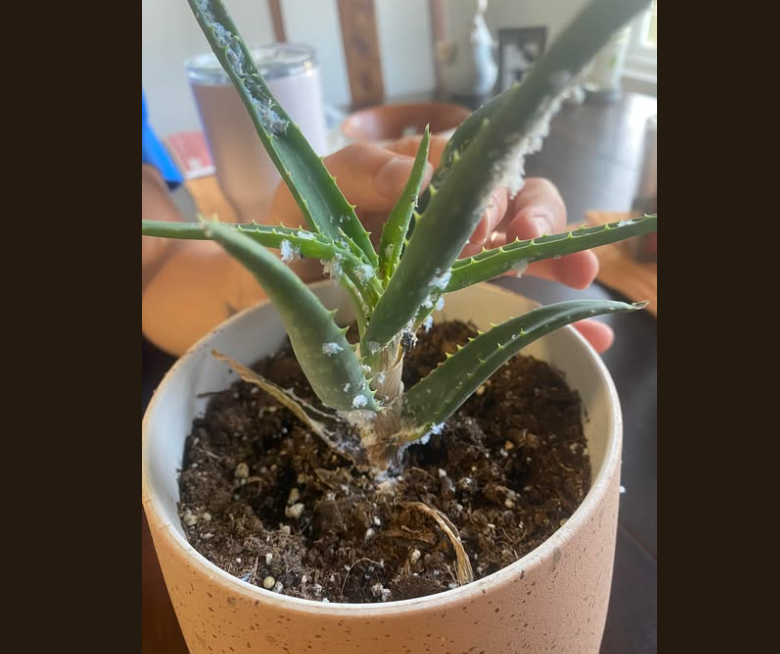
Why does white fuzz appear?
The cause of white fuzz on Aloe Vera mainly falls into three categories: 1. Pest infestations, such as mites or spider mites 2. Fungal infections or mold, often due to overwatering or poor air circulation 3. Natural protective structures—some plants develop cotton-like coverings as a defense mechanism (though this is less common) Understanding which of these applies to your plant is crucial for choosing the right treatment.
Diagnosing the Exact Cause
Follow this step-by-step process:
Cause 1: Mite infestation (e.g., Aloe Mites or Spider Mites)
How to identify: Tiny pests that often produce web-like or fuzzy coatings. They might be difficult to see with the naked eye but can be spotted upon close inspection. Look for small specks moving on the surface or cluster formations.
Cause 2: Fungal infection or mold
How to identify: White, powdery growth that often appears in humid conditions or areas with overwatering. Mold may look fluffy or cotton-like and sometimes develop into black or green patches.
Cause 3: Natural cotton-like structures
How to identify: Rare, but some Aloe Vera varieties produce natural, woolly protective hairs, especially when young or under stress. These structures are usually uniform and consistent with the plant’s natural adaptations.
How to distinguish between causes:
- Inspect the plant closely—use a magnifying glass if necessary.
- Check the undersides of leaves and soil surface for pests or mold.
-
Notice environmental conditions—has the plant been overwatered or placed in a humid location? Evidence to look for:
-
Small insects or webbing suggests pests.
- Powdery or fuzzy growth without visible pests indicates mold or fungal issues.
- Uniform woolly coverings may be natural.
Treatment Solutions
Immediate actions
- Isolate your Aloe Vera—keep it away from other houseplants to prevent spreading.
- Remove visible fuzz with a soft brush or damp cloth.
- Carefully trim affected areas if the fuzz is localized and can be physically removed.
Natural remedies
- Honey solution: Mix a teaspoon of honey with a cup of water; lightly spray on affected areas to deter pests and fungal growth.
- Neem oil spray: Dilute neem oil according to package instructions and spray on leaves and soil to combat pests and fungal spores.
- Insecticidal soap: Use a mild insecticidal soap solution to eliminate mite populations and mold.
Chemical solutions
- Use appropriate miticides or fungicides if natural remedies aren’t effective. Ensure you follow the instructions carefully and use protective gear.
- Choose products specifically designed for succulent or Aloe Vera plants to avoid damage.
Caring during recovery
- Adjust watering habits: Let the soil dry out completely between waterings.
- Improve air circulation: Place your plant in a well-ventilated spot.
- Provide adequate light: Bright, indirect sunlight helps prevent fungal growth.
Prevention Tips
Preventing white fuzz from returning is easier than battling it repeatedly. Here are some tips:
Maintain proper watering habits
- Water only when the top inch of soil is dry.
- Use well-draining soil to prevent overwatering.
- Avoid leaving standing water in the saucer.
Improve airflow and location
- Place your Aloe Vera in an area with good ventilation.
- Keep away from humid areas like bathrooms or kitchens.
Regular inspection
- Check your plant weekly for early signs of pests or mold.
- Gently brush off dust or dead leaves to improve overall health.
Use preventive treatments
- Periodically spray with neem oil or insecticidal soap as a preventative measure.
- Keep humidity levels low in indoor environments.
Conclusion
Recap of how to identify, diagnose, and treat white fuzz on Aloe Vera
White fuzz on Aloe Vera can be alarming, but understanding its cause is the first step toward effective treatment. Whether it’s mites, mold, or natural protective hairs, each has a specific approach for management. Careful inspection and targeted treatments help your plant recover more swiftly.
Encouragement
The good news is, with patience and proper care, your Aloe Vera can recover and flourish once again. Remember, regular maintenance, proper watering, and good air circulation are key to preventing recurring problems.
Next steps
- Implement the appropriate treatment based on your diagnosis.
- Adopt preventive care routines.
- Monitor your Aloe Vera regularly to catch problems early. Your green thumb, patience, and attention can make all the difference—happy gardening!
FAQ
Q: How long until I see improvement after treatment?
A: Typically, you should notice a reduction in white fuzz and healthier growth within 1-2 weeks of appropriate treatment. For pest infestations, repeated applications may be necessary, and with mold, new healthy growth will appear once environmental conditions are corrected.
Q: Can my Aloe Vera fully recover from pests or mold?
A: Yes, with targeted treatment and improved care, Aloe Vera can recover fully. However, severe infestations or mold may require more intensive interventions, and sometimes pruning affected parts helps promote regrowth.
Q: Should I prune or remove the affected parts?
A: Yes, removing heavily infested or moldy leaves helps prevent spread and encourages healthy growth. Use clean, sharp scissors or pruning shears, and disinfect them afterward to avoid re-infection.
By understanding the causes and following these practical steps, you’ll be well on your way to restoring your Aloe Vera’s health. Keep a close eye on your plant’s environment, and don’t hesitate to seek help if needed—your plant’s resilience is often remarkable!