Discover why your Pothos leaves are sticky, learn to diagnose common causes, and find effective solutions to restore your plant's health with simple care tips.
Introduction
Noticing sticky leaves on your beloved Pothos can be worrisome—after all, a healthy houseplant should look vibrant and lush. When your Pothos starts to develop a sticky coating on its leaves, it’s natural to wonder what’s going wrong. Is it a pest problem? Environmental issues? Or something else? Rest assured, many plant parents face this issue at some point, and the good news is that most sticky leaf problems are manageable with a little care and patience. In this article, I’ll help you understand what causes sticky leaves in Pothos, guide you through diagnosing the root cause, and provide straightforward, effective solutions to get your plant back to tip-top shape. Whether you're a beginner or a seasoned plant enthusiast, you'll find practical advice that makes caring for your Pothos easier and more enjoyable.
Section 1: Understanding the Problem
Visual Identification of Sticky Leaves
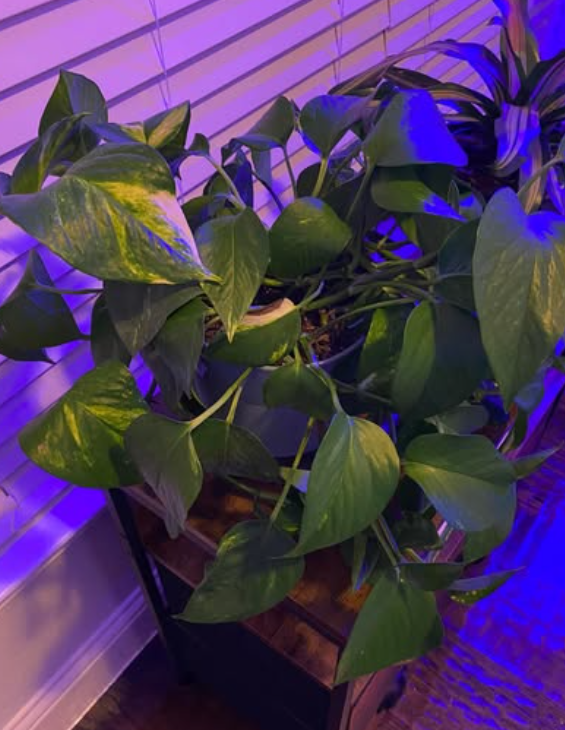
Sticky leaves appear as a shiny, often oily-looking coating on the surface of the foliage. You might notice a tacky feeling when you touch the leaves, and the stickiness can attract dust and grime, making the plant look dull over time. Sometimes, you’ll see small residues or spots that are slightly glossy or sticky to the touch.
Common Causes Overview
There are several reasons why your Pothos may have sticky leaves, but the most common culprits include:
- Pest infestation, such as scale insects or mealybugs
- Sap secretion caused by stress, injury, or natural plant response
- Environmental factors, like high humidity or overfeeding, which can stimulate sap production or encourage pests Understanding these causes can help you decide on the most appropriate course of action.
Section 2: Diagnosing the Exact Cause
Follow These Diagnostic Steps
To effectively fix the sticky leaves issue, first identify what's causing it. Here are some specific signs and steps:
Cause 1: Pest Infestation (Scale Insects or Mealybugs)
- Signs: Small, oval-shaped insects attached to stems or undersides of leaves; white, cottony, or waxy residue.
- How to check: Gently examine the stems and leaf joints with a magnifying glass. Look for tiny insects or a sticky residue they produce.
Cause 2: Sap Secretion Due to Stress or Injury
- Signs: A clear or slightly yellowish sticky substance oozing from the plant’s cuts or damaged parts.
- How to check: Inspect for recent physical injury or broken stems. Saps are a natural response to stress.
Cause 3: Environmental Factors Like High Humidity or Overfeeding
- Signs: Excessively sticky leaves with minimal pest signs; often associated with a humid environment or over-fertilization.
- How to tell: Consider your plant’s environment—has humidity increased? Are you fertilizing excessively?
How to Determine Which Cause Applies
- Inspect thoroughly: Look under leaves, along stems, and at the soil surface.
- Note any insects: Presence indicates pests.
- Check for injury: Recent physical damage suggests sap secretion.
- Evaluate environment: High humidity or overfeeding points to environmental causes.
Section 3: Treatment Solutions
Immediate Actions: Removing Pests and Washing Leaves
- Gently remove pests: Use a soft cloth or a cotton swab dipped in alcohol to wipe off scale insects or mealybugs.
- Wash your plant: Rinse the leaves with lukewarm water to remove sticky residues and dislodge pests. Use a mild dish soap solution if needed.
Long-term Treatments: Natural Remedies and Chemical Solutions
- Insecticidal soap: Spray a diluted insecticidal soap or neem oil on affected areas to curb pests.
- Neem oil: An effective, natural pesticide that also conditions the plant’s overall health.
- Chemical pesticides: Use as a last resort, strictly following the instructions on the label. Be cautious if you have pets or children nearby.
Supporting Healthy Recovery
- Proper watering: Avoid overwatering, as soggy soil and excess moisture promote pests and fungal issues.
- Pruning: Remove heavily damaged or infected leaves to prevent pest spread.
- Environmental adjustments: Improve air circulation and maintain optimal humidity levels—around 40-60%—to discourage pests and minimize stress-induced sap secretion.
Section 4: Prevention Tips
Maintain Balanced Watering and Humidity Levels
- Water your Pothos only when the top inch of soil feels dry.
- Keep humidity levels moderate; if your home is very humid, use a fan or dehumidifier.
Regular Inspection and Leaf Cleaning
- Make it a habit to check your plant weekly.
- Clean dust off leaves with a soft damp cloth, preventing pest buildup and keeping the plant healthy.
Use Pest-Preventive Measures and Proper Fertilization
- Apply neem oil or insecticidal soap periodically as a preventative.
- Fertilize during the growing season with a balanced, water-soluble fertilizer—avoid overfeeding, which can stress the plant.
Avoid Overfeeding and Overwatering
- Always follow the recommended dosage for fertilizers.
- Ensure your pot has proper drainage to prevent waterlogging.
Conclusion
Recap of Key Steps
To address the question, "Why is my Pothos having sticky leaves?" start by inspecting your plant carefully—look for pests, signs of injury, or environmental issues. Once diagnosed, apply targeted remedies like pest control, leaf washing, or adjusting your care routine. Preventive measures such as proper watering, regular inspection, and environmental control will keep your Pothos healthy and free from sticky problems.
Encouragement
Remember, most sticky leaf issues are manageable with timely action and careful care. Your Pothos is resilient, and with a little effort, it will bounce back, lush and healthy.
Next Steps
Begin today with a thorough inspection, identify the cause, and implement the appropriate fix. With patience and attentive care, your Pothos will once again thrive and brighten your indoor space.
FAQ
Q: How long until I see improvement after treatment?
A: Usually, you’ll notice a reduction in stickiness within a week after treating pests or making environmental adjustments. Complete recovery, including new healthy growth, may take a few weeks, depending on the severity of the issue.
Q: Can I prune heavily damaged leaves without harming my Pothos?
A: Yes, pruning damaged or heavily infested leaves is beneficial. It helps the plant focus energy on healthy growth and prevents pests from spreading. Use clean, sharp scissors or pruning shears, and make cuts just above a leaf node.
Q: Are natural remedies safer for pets and children?
A: Generally, yes. Neem oil and insecticidal soap are considered safer and environmentally friendly options compared to chemical pesticides. Always follow the instructions carefully and keep pets and children away during and shortly after application.
By knowing the causes, diagnosing accurately, and applying targeted care, you'll keep your Pothos problem-free and vibrant. Happy gardening!