Are you concerned about your Rubber Plant shedding its leaves? Don’t worry—leaf drop is a common issue that many indoor plant enthusiasts face. With a little patience and some simple care adjustments, you can help your Rubber Plant recover and thrive again.
In this guide, we’ll explore why your Rubber Plant might be losing leaves, how to diagnose the underlying cause, and practical solutions to bring your plant back to health. Whether you’re a beginner or have been caring for houseplants for a while, this comprehensive approach will empower you to troubleshoot effectively and keep your Rubber Plant happy.
Understanding the Problem
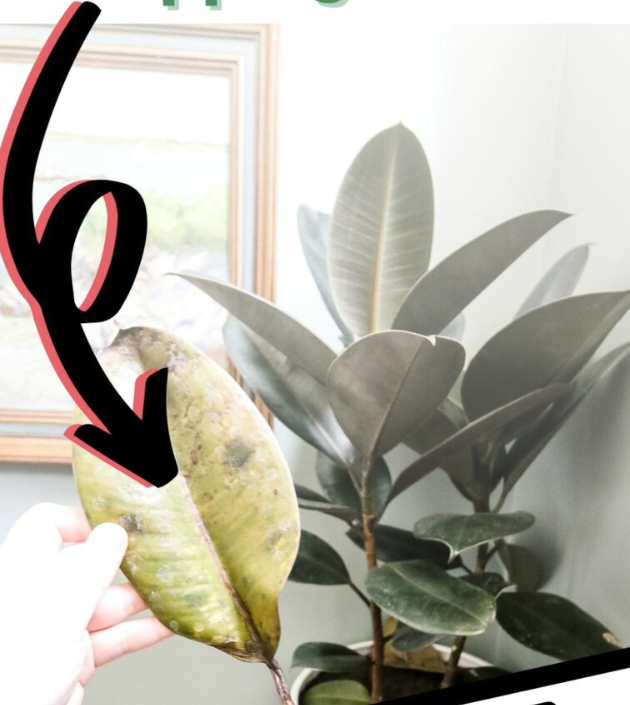
Visual identification: Recognizing leaf drop signs and related symptoms
Rubber Plants typically shed older leaves as part of their natural growth. However, excessive or sudden leaf drop signals a problem. Common signs include:
- Sudden or significant leaf loss beyond the usual aging process
- Leaves turning yellow, brown, or crispy before falling
- Drooping or wilting leaves that appear unhealthy
- Sparse foliage with remaining leaves looking dull or damaged
Common causes overview: Stress factors like overwatering, underwatering, unsuitable light, drafts, or pests
Understanding why your Rubber Plant drops leaves starts with recognizing the potential stressors:
- Overwatering or root rot: Excess moisture can suffocate roots, leading to decay.
- Underwatering or drought stress: Dry soil causes leaves to dry out and fall.
- Inadequate lighting: Too little light hampers photosynthesis, weakening the plant.
- Drafts and temperature fluctuations: Sudden changes in temperature or drafts can shock your plant.
- Pests: Infestations of spider mites, scale, or mealybugs can cause leaf drop and overall decline.
Diagnosing the Exact Cause
Follow these diagnostic steps to pinpoint why your Rubber Plant is shedding leaves
Accurate diagnosis ensures you apply the most effective fix. Here’s how to identify the root issue:
Cause 1: Overwatering or root rot
- Look for soggy soil that feels waterlogged
- Foul smell from the pot indicates rotting roots
- Discolored roots: Roots that are brown or mushy when examined
Cause 2: Underwatering or drought stress
- Check soil moisture: The top inch should be slightly moist but not soaked
- Feel the leaves: Crispy, dry leaves often indicate drought stress
Cause 3: Improper lighting or drafts
- Identify exposure: Is your plant near a drafty window, heater, or cold air vent?
- Observe light levels: Is the plant receiving bright, indirect light? Or is it in a dim corner?
How to tell which one it is:
- Combine visual inspections with your watering habits and environmental observations.
- For example, soggy soil + foul smell usually points to overwatering, whereas dry soil and crispy leaves suggest underwatering.
Treatment Solutions
Implement targeted actions based on the diagnosed cause to stop leaf drop and promote recovery
Once you identify the cause, tailor your care accordingly:
Immediate actions to take
- If overwatered: Remove the plant from soggy soil, gently clean the roots if possible, and repot in well-draining soil.
- If underwatered: Water thoroughly, ensuring excess water drains completely. Increase humidity by misting or using a humidity tray.
- If drafts or improper light: Move the plant to a more stable, warm location with bright, indirect light. Protect it from cold drafts and direct sunlight.
Long-term treatment plan
- Improve drainage: Use a pot with drainage holes and a soil mix that drains well (a mix of peat, perlite, and pine bark).
- Establish a consistent watering schedule: Check the soil moisture regularly, watering only when the top inch feels dry.
- Increase humidity if needed: Rubber Plants appreciate humidity—consider using a humidifier or grouping with other plants.
- Address drafts and temperature fluctuations: Keep your plant away from cold windows or vents.
What to expect during recovery
- Leaf shedding may continue briefly as the plant adjusts.
- New healthy leaves will eventually grow if you maintain proper care.
- Patience is key: most Rubber Plants recover with consistent, attentive care.
Prevention Tips
Maintain optimal conditions to prevent future leaf drop issues
Prevention is better than cure. Follow these tips to keep your Rubber Plant healthy and resilient:
Care routine adjustments
- Regular watering checks: Stick your finger into the soil to confirm dryness before watering.
- Proper potting soil: Use a well-draining soil mix suitable for rubber plants.
- Fertilization: Feed your Rubber Plant monthly during the growing season with a balanced houseplant fertilizer.
Environmental factors to monitor
- Consistent light: Place your Rubber Plant in bright, indirect sunlight.
- Stable temperature: Keep it in a temperature range of 65–80°F (18–27°C).
- Humidity: Maintain moderate humidity levels; avoid dry air from heaters.
- Avoid drafts and sudden climate shifts: Keep your plant away from open windows or air vents.
Conclusion
Recognizing the signs of leaf drop and understanding their causes is key to effective treatment and prevention.
Dealing with Rubber Plant leaf drop can be stressful, but by observing your plant carefully, diagnosing accurately, and adjusting your care routine, you can revive your plant and restore its lush, healthy appearance. Remember, patience and consistency are your best allies in plant care.
With patience and proper care, your Rubber Plant can recover beautifully.
Start by diagnosing what’s causing the leaf shed, implement the appropriate solutions, and keep monitoring your plant’s response. Before long, you’ll enjoy a vibrant, thriving Rubber Plant as a beautiful centerpiece in your home.
Next Steps
- Review your plant’s watering habits and environment
- Make necessary adjustments based on your diagnosis
- Observe how your Rubber Plant responds over the coming weeks
- Consistently provide optimal care to prevent future issues Happy plant parenting! Your Rubber Plant will thank you with its lush, green leaves and healthy growth.
Q: How long until I see improvement after fixing watering issues?
A: Usually, you’ll notice signs of recovery within a few weeks. New leaf growth indicates good progress, but patience is essential as the plant heals and adjusts.
Q: Will my Rubber Plant fully recover from severe leaf drop?
A: Yes, with proper care, even severely affected Rubber Plants can bounce back. Remove any damaged leaves, improve care routines, and give it time. Healthy new leaves will eventually replace the fallen ones.
Q: Should I prune the remaining damaged leaves or stems?
A: Yes, pruning damaged or dead leaves and stems can help the plant focus its energy on new healthy growth. Use clean, sharp scissors or pruning shears to make clean cuts just above a node.
By following these practical solutions and prevention strategies, you'll be well on your way to ensuring a healthy, beautiful Rubber Plant that brightens your living space for years to come.