Discover why your Alocasia develops brown tips and learn effective solutions and prevention tips to keep your plant healthy and vibrant indoors.
Noticing brown tips on your Alocasia can be worrying, but you're not alone—many indoor plant enthusiasts face this common issue. The good news is, with a bit of understanding and proper care adjustments, you can restore your plant’s health and prevent future problems. In this guide, we'll explore why is my Alocasia having brown tips?, delve into the underlying causes, how to diagnose them accurately, practical treatment solutions, and effective prevention strategies. Whether you’re a beginner or an intermediate plant parent, these insights will help you nurture a lush, vibrant Alocasia.
Section 1: Understanding the Problem
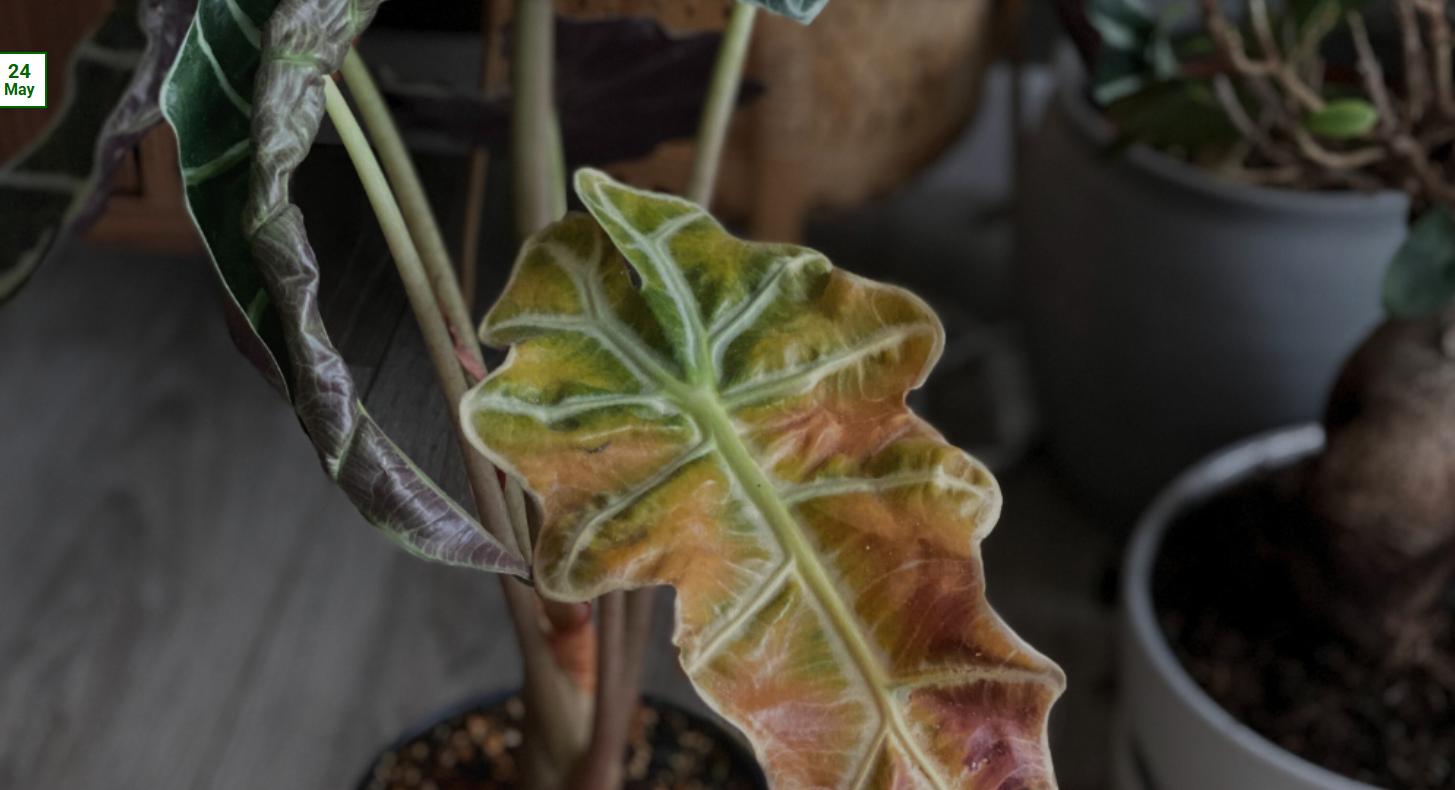
Visual Identification of Brown Leaf Tips
Brown tips on Alocasia leaves are typically dry, crispy, and sometimes with a distinct border that looks burnt or necrotic. The discoloration usually starts at the edges or tips and can spread inward if left untreated. Sometimes, the affected leaf tips may appear yellowish before turning brown. How to identify brown tips:
- Check the edges or tips of the leaves.
- Look for dryness or crispness.
- Notice if the brown areas are dry or soggy, as it helps determine whether the issue is due to dehydration or overwatering.
Common Causes Overview
Brown tips usually result from a combination of environmental and care-related factors, such as:
- Overwatering or underwatering: Both can cause stress, leading to browning.
- Low humidity: Alocasia prefers humid environments; dry indoor air can cause leaf tips to turn brown.
- Salt buildup: Excess salts from fertilizers can damage leaf tissue.
- Low or inconsistent watering: Fluctuations in moisture levels can stress the plant, leading to brown tips. Understanding these causes helps you custom-tailor your care routine and address the root problem effectively.
Section 2: Diagnosing the Exact Cause
Step-by-step Process to Pinpoint Why Your Alocasia Has Brown Tips
Cause 1: Insufficient Humidity or Dry Indoor Air
Symptoms: Brown, crispy tips, especially during winter or in heated rooms. Diagnosis: Check the surrounding air moisture. If your indoor humidity drops below 50%, your Alocasia may suffer from dry air.
Cause 2: Over- or Underwatering Leading to Root Stress
Symptoms: Wilting leaves, brown tips, or soft, soggy soil. Diagnosis: Feel the soil—if it's waterlogged or too dry. Overwatering causes root rot, impairing nutrient uptake; underwatering causes dehydration.
Cause 3: Salt or Mineral Buildup from Fertilizers
Symptoms: Brown tips that appear irregular and may be accompanied by yellowing leaves. Diagnosis: Check your fertilizer schedule. If you've been fertilizing frequently without flushing the soil, salts can accumulate.
How to Tell Which Cause Applies to Your Plant
- Dry, crispy tips with dry air: likely humidity issue.
- Soft, wilting leaves with soggy soil: overwatering.
- Brown tips with hard, crusty edges and yellowing: salt buildup. Pro tip: Observe your watering habits, check humidity levels, and inspect the soil regularly to accurately diagnose the problem.
Section 3: Treatment Solutions
Immediate Actions
- Adjust watering: If the soil feels soggy, reduce watering frequency. If dry, water thoroughly but ensure proper drainage.
- Improve humidity: Increase moisture around the plant by:
- Using a humidifier.
- Placing a pebble tray filled with water underneath your pot.
- Grouping plants together to create a microenvironment.
- Flush soil to remove salts: Water the plant thoroughly to flush out excess fertilizers and minerals. Repeat this every few months.
Long-term Care
- Establish a proper watering schedule: Water when the top inch of soil feels dry. Remember, Alocasia prefers moist but not waterlogged soil.
- Maintain optimal humidity levels: Aim for 50-60% humidity—use humidifiers or regularly mist the plant.
- Fertilizer management: Use a balanced, diluted fertilizer during the growing season (spring to summer). Avoid excessive feeding and always flush the soil to prevent salt buildup.
Monitoring Recovery and Signs of Improvement
- Watch for new leaf growth with healthy, green tips.
- Brown tips should gradually recede if the underlying cause is addressed.
- Conduct regular inspections to catch any recurring issues early.
Section 4: Prevention Tips
Maintain Optimal Humidity Levels
- Use a humidifier in dry environments.
- Place the plant on a tray with water and pebbles.
- Group multiple indoor plants together to create a more humid microclimate.
Use Balanced Fertilization Carefully
- Feed your Alocasia every 4-6 weeks during the active growth months.
- Dilute fertilizers to half strength to prevent salt buildup.
- Avoid over-fertilizing, which can lead to mineral accumulation.
Ensure Proper Watering Techniques
- Check soil moisture before watering.
- Empty excess water from saucers to prevent root rot.
- Use pots with well-draining soil and drainage holes to avoid waterlogging.
Regularly Check and Clean Soil and Roots
- Periodically inspect the soil surface and roots for signs of pests or disease.
- Repotting every 1-2 years refreshes the soil and promotes healthy root growth.
Conclusion
Recap of Causes, Fixes, and Care
Brown tips on your Alocasia are often signs of environmental stress or care mishaps, commonly caused by low humidity, improper watering, or mineral buildup. By diagnosing the precise cause, implementing targeted fixes—such as adjusting watering practices, increasing humidity, and managing fertilization—you can significantly improve your plant’s health.
Encouragement
With attentive care and patience, your Alocasia can bounce back beautifully! Remember, small adjustments can make a big difference in preventing brown tips and ensuring your plant thrives indoors.
Next Steps
Apply the practical tips shared here, observe your plant’s response, and continue learning more about indoor plant care. Your green thumb will grow stronger with each step!
FAQ
Q: How long until I see improvement after fixing the issues?
A: Typically, you’ll start noticing new growth within a few weeks if the root cause has been addressed. Healthy, new leaves should appear as the plant recovers, and existing brown tips may gradually turn green or remain dry but no longer worsen.
Q: Can brown tips completely recover or should I prune them?
A: Brown tips are usually irreversible once fully dried and crispy. Pruning these tips can improve the plant’s appearance and prevent any potential pest issues. Use clean, sharp scissors and trim just the brown parts, leaving healthy tissue intact.
Q: Are there natural remedies to prevent brown tips besides adjusting care?
A: While proper watering, humidity, and fertilization are key, you can also:
- Use organic seaweed or aloe vera treatments to support plant health.
- Keep leaves clean by gently wiping with a damp cloth to prevent pest buildup and promote photosynthesis.
- Regularly check for pests, as infestations can also contribute to leaf browning.
Nurturing an Alocasia with brown tips can be manageable once you understand the causes and appropriate remedies. Stay attentive, adapt your care routines, and enjoy the lush, vibrant foliage that your plant has to offer!