Quick Summary: Pale or faded leaves on your Snake Plant can be alarming, but with proper diagnosis and care adjustments, you can restore its vibrant green. This guide helps you identify common causes and provides simple treatments to revive your plant’s health.
Introduction
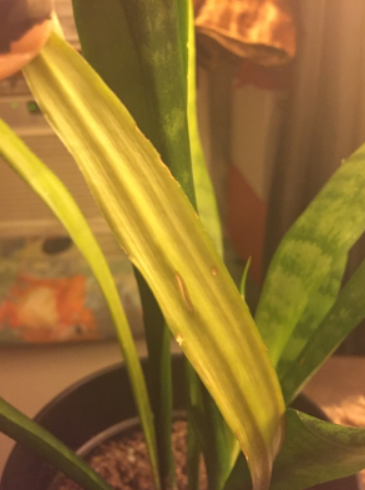
Having a Snake Plant (also known as Sansevieria) that shows pale leaves can be worrying—especially since these hardy plants are usually so resilient and low-maintenance. Pale, washed-out, or dull-looking leaves can make you wonder if something’s wrong or if you've accidentally harmed your beloved plant. The good news is, this issue is often fixable, and understanding what's causing it is the first step toward recovery. As plant parents, it’s natural to feel concerned when your greenery doesn’t look its best, but don’t despair. Many factors—like light levels, watering routines, or nutrient deficiencies—can cause leaf discoloration, and these are typically easy to correct. In this article, we’ll explore the common reasons behind pale Snake Plant leaves, teach you how to diagnose the cause, and walk you through straightforward solutions. Whether your plant is sunburned, under-nourished, or simply aging, your Snake Plant can rebound with some gentle adjustments. Let’s get started on bringing back that rich, healthy green!
Section 1: Understanding the Problem
Visual identification: Pale leaves on your Snake Plant often appear as a loss of the plant’s natural dark green color. Leaves may look dull, washed out, or even slightly yellowed, with the usual vibrant streaks or markings subdued. Sometimes, the leaf tips may turn brown or the entire leaf seems to fade from its typical lush appearance. Why it matters: Leaves are your plant’s way of showing overall health. When they lose their color, it indicates a stress or imbalance in the plant’s environment or care routine. Catching this early can prevent further issues like leaf drop or weakened growth. Common causes overview:
- Excessive sunlight burning or bleaching leaves
- Insufficient or inconsistent watering
- Nutrient shortages, especially nitrogen
- Natural aging or slow decline over time
- Less common: pest damage or disease Many plant parents mistake pale leaves for overwatering or underwatering, but looking closely at other signs can help you pinpoint the actual cause.
Section 2: Diagnosing the Exact Cause
Follow these steps to understand why your Snake Plant’s leaves are pale:
Cause 1: Excessive Sunlight
Snake Plants generally tolerate low light but can become stressed or bleached if exposed to strong, direct sunlight for prolonged periods. Leaves in overly sunny spots may turn pale or develop sunburn patches that look whitish or bleached. How to confirm: Is your plant in an east or west-facing window where direct sun hits? Does the plant resemble being "scalded" with patches of pale or crispy areas?
Cause 2: Underwatering or Poor Watering Routine
Snake Plants prefer infrequent, deep watering. If the soil stays dry for too long or is inconsistently watered, leaves may lose their vibrancy, becoming dull and pale. How to confirm: Check your watering schedule. When was the last time you watered? Is the soil completely dry several inches below the surface? Are the leaves uniformly pale or only at the tips?
Cause 3: Nutrient Deficiency
A lack of essential nutrients, especially nitrogen, can cause pale or yellowish leaves. The plant’s internal nutrition affects its ability to produce chlorophyll—the green pigment. How to confirm: Has your Snake Plant been fertilized in the past few months? Are older leaves more faded than newer growth?
How to tell which cause applies:
- In direct sun? Pale or bleached patches suggest overexposure.
- Recently underwatered? Dry soil with dull leaves indicates watering issues.
-
Fertilizer history? Nutrient shortages often show as diffuse fading across leaves. Use this checklist to narrow down the cause:
-
Plant location
- Watering history
- Nutrient or fertilization routine
- Overall plant condition and other symptoms (yellowing, browning, leaf softness)
Section 3: Treatment Solutions
Immediate actions (First 24-48 Hours): 1. Adjust light exposure:
- Move your Snake Plant away from direct, harsh sunlight—place it in bright but indirect light. A sheer curtain can diffuse strong rays.
-
Review watering habits:
-
Allow the soil to dry out completely before watering again. For most Snake Plants, watering every 2-6 weeks is sufficient depending on humidity and temperature.
-
Ensure proper drainage:
-
Check that your pot has drainage holes. Excess water can cause root issues that contribute to leaf discoloration.
-
Clean and inspect:
-
Remove any damaged or severely pale leaves to encourage healthy growth. Long-term treatment plan:
-
Fertilize lightly during growing seasons:
Use a balanced, water-soluble houseplant fertilizer diluted to half strength every 2-3 months in spring and summer. -
Provide supplemental light:
If natural light is limited, consider using a grow light to ensure your Snake Plant gets enough light without risking sunburn. -
Water properly:
Stick to a consistent schedule—generally, watering once every 4-6 weeks during active growth, less in winter. -
Natural remedies:
- For fungal overgrowth or pests, neem oil or organic insecticidal soap can help.
-
Hydrogen peroxide diluted in water (1 part peroxide to 4 parts water) can help oxygenate roots if root rot is suspected, but use with caution. Recovery Timeline:
-
Leaves may begin to regain color within a few weeks if the cause was environmental stress.
-
New growth should appear healthier and darker with consistent care over 2-3 months. Warning signs treatment isn't working:
-
Continued leaf fading after 6-8 weeks
- Yellowing or browning spreads to other leaves
- Wilting or soft, mushy leaves indicating root rot At this point, consider repotting with fresh soil, checking roots, and possibly consulting a local plant specialist.
Section 4: Prevention Tips
To keep your Snake Plant vibrant and healthy, incorporate these proactive habits:
-
Maintain proper lighting:
Snake Plants thrive in bright, indirect light. Place near east or south-facing windows, or indoors with adequate artificial light. -
Establish a consistent watering schedule:
Water only when the top 1-2 inches of soil feel dry. During winter, reduce watering further. -
Use balanced fertilizer:
Fertilize lightly during the active growing season (spring and summer). Avoid over-fertilizing, which can cause nutrient imbalances. -
Monitor environmental conditions:
Keep the temperature between 65-80°F (18-27°C). Avoid cold drafts or sudden temperature drops. -
Improve air circulation:
Good airflow helps prevent fungal issues that could affect leaf health. -
Regular inspection:
Check for pests or disease signs, and prune any damaged or unhealthy leaves promptly. By understanding the "why" behind leaf pale-ness and following this care routine, your Snake Plant can stay lush, vibrant, and resilient for years.
Frequently Asked Questions
Q: How long until I see improvement in my Snake Plant’s leaf color?
A: Typically, you’ll notice some improvement within 2-4 weeks if you correct environmental issues. New growth will be darker green and healthier-looking.
Q: Can I prune pale or damaged leaves without harming the plant?
A: Yes. Carefully cut away severely pale or damaged leaves at the base with clean scissors or pruning shears. This encourages new healthy growth and improves appearance.
Q: Should I repot my Snake Plant if the leaves are pale?
A: Only if you suspect root problems like rot or poor soil. Use fresh, well-draining potting mix and check roots for rot—healthy roots are firm and white. Otherwise, focus on adjusting care without repotting.
Q: Is natural sunlight enough, or should I use artificial grow lights?
A: While natural light is ideal, a grow light can supplement low-light conditions, especially in winter or shady rooms, helping your Snake Plant stay vibrant.
Q: Can pests cause pale leaves?
A: Pests like spider mites or scale can stress your plant, leading to pale leaves. Regular inspections and gentle treatments like neem oil help keep pests at bay.
Conclusion
Key Takeaways:
- Pale leaves on your Snake Plant are often caused by too much direct sunlight, inconsistent watering, or nutrient deficiencies.
- Diagnose the cause by examining the plant’s location, watering habits, and overall appearance.
- Correct environmental stresses by adjusting light, watering, and fertilizing routines.
- With patience and consistent care, your Snake Plant will bounce back and regain its lush green color. Remember, every plant responds differently, so monitor your Snake Plant’s progress and adapt your care routine as needed. Rest assured—you’re capable of giving your plant the care it needs to thrive!