Quick Summary: Drooping leaves in your Snake Plant (Sansevieria) often signal underlying issues like overwatering, underwatering, or environmental stress. Most problems are fixable with simple care adjustments, allowing your plant to revive and thrive again.
Introduction
Noticing drooping leaves in your Snake Plant can be quite worrying—especially because these plants are known for their resilience. When leaves start sagging or wilting, it’s natural to feel concerned about the health of your beloved plant. But don’t fret! These signs are often the plant’s way of telling you something needs your attention. The good news is, with a bit of patience and some straightforward care tweaks, most issues are rectifiable. Understanding what causes drooping leaves is the first step toward reviving your plant.
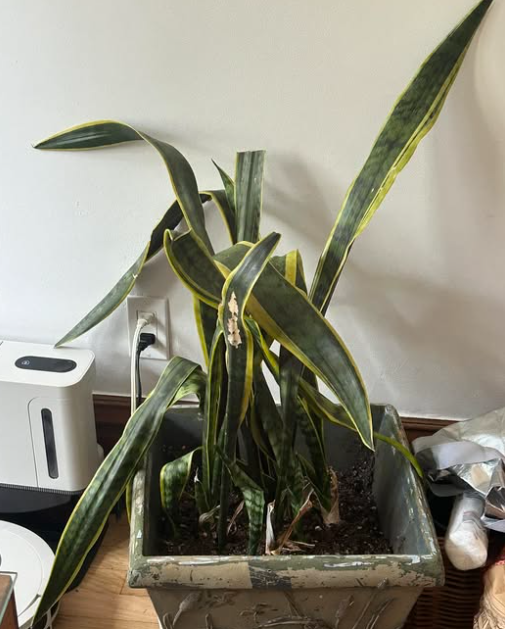
In this article, we’ll explore the common causes behind drooping Snake Plant leaves, how to diagnose the specific problem, and practical steps to fix and prevent future issues. Whether your plant is suffering from overwatering, underwatering, or environmental stress, I’ll guide you through easy-to-follow solutions so you can bring your Snake Plant back to its firm, upright glory!
Section 1: Understanding the Problem
Visual Identification of Drooping Leaves
Drooping in Snake Plants looks like leaves that sag, bend, or wilt, often appearing limp and lackluster. You might notice leaves leaning or hanging more than usual, sometimes with soft or floppy textures. In some cases, leaves may also turn yellow or brown at the tips, indicating stress. Recognizing these signs early is important because they can signal different issues, each requiring its own treatment approach. It’s easy to mistake droopiness for general aging, but persistent sagging, especially if accompanied by color changes or soft leaves, is usually a problem that needs addressing.
Common Causes Overview
Many factors can cause Snake Plant leaves to droop, including:
- Overwatering or poor drainage leading to root rot
- Underwatering, causing dehydration
- Environmental stress, such as inadequate light or temperature fluctuations
- Root damage or compacted soil
- Pest infestation Understanding which of these is affecting your plant is key to choosing the right remedy.
Section 2: Diagnosing the Exact Cause
Follow these steps to determine what’s behind your Snake Plant's drooping leaves:
Cause 1: Overwatering or Poor Drainage — Frequently Leads to Root Rot and Leaf Drooping
Symptoms: Leaves may look soft, limp, and possibly yellow at the base. The soil feels consistently moist or soggy. How to confirm: Carefully remove the plant from its pot and examine the roots. Dark, mushy roots with a foul smell indicate root rot. Why it happens: Snake Plants are drought-tolerant and dislike sitting in water. Overwatering, combined with poorly draining soil or a pot without drainage holes, causes roots to rot, which in turn makes leaves lose their firmness and droop.
Cause 2: Underwatering — Causes Leaves to Wilt and Lose Turgidity
Symptoms: Leaves appear limp, dry, or curled, possibly with browning tips. How to confirm: Check the soil moisture—if it's bone dry and the plant has been neglected for a while, dehydration is likely. Why it happens: Insufficient watering causes the plant to lose its internal water reserves, making leaves wilt and droop as the plant struggles to maintain turgor pressure.
Cause 3: Environmental Stress — Such as Insufficient Light or Temperature Fluctuations
Symptoms: Leaning or drooping leaves, often accompanied by growth stagnation. How to confirm: Assess the plant’s surroundings. Is it in low light? Are there drafts, cold windows, or sudden temperature changes? Why it happens: Snake Plants prefer bright, indirect light but can adapt to lower light conditions. Too much direct sun can scorch leaves, while too little light weakens the plant, causing leaves to weaken and droop.
How to tell which cause applies to your plant
Use this quick checklist: | Symptom | Potential Cause | Action | |--------------|--------------------------|----------| | Soft, yellowing, rotten roots upon inspection | Overwatering/poor drainage | Check roots, improve watering and soil drainage | | Dry, wilted leaves, soil dry for days | Underwatering | Water thoroughly, adjust watering schedule | | Leaning, limp leaves in low light | Low light or environmental stress | Improve lighting, stabilize environment | | Brown tips + drooping | Underwatering or inconsistent watering | Maintain regular watering, avoid droughts | By assessing these signs, you’ll identify the root cause.
Section 3: Treatment Solutions
Immediate Actions (First 24-48 Hours):
- Assess watering: Feel the soil; if overly wet, stop watering temporarily.
- Adjust environment: Move the Snake Plant to a location with bright, indirect light.
- Ensure proper drainage: Check if the pot has drainage holes and remove excess water.
- Inspect roots: Carefully take out the plant to examine roots if you suspect root rot.
Long-term Treatment:
Addressing Root Rot:
- Remove the plant from the pot gently.
- Trim affected roots with sterile scissors—cut out all dark, mushy roots.
- Treat healthy roots with a diluted hydrogen peroxide solution (1 part hydrogen peroxide to 4 parts water) to disinfect.
- Repot in fresh, well-draining cactus or succulent mix.
- Water sparingly—allow the soil to dry out completely between waterings. Timeline: Expect visible recovery within 2-4 weeks if root rot was the cause. You’ll see leaves straighten and firm up with proper care.
Managing Environmental Stress:
- Enhance lighting: Place your Snake Plant near bright windows or use grow lights if natural light is limited.
- Control temperature: Keep indoors at consistent temperatures between 65-80°F (18-27°C). Avoid drafts or sudden temperature drops.
- Increase airflow: Good circulation prevents fungal issues and promotes overall plant health.
Natural Remedies:
- Hydrogen peroxide: As mentioned, helps disinfect roots.
- Neem oil: Can be used as a foliar spray to prevent pests if infestation is suspected.
- Ensuring air circulation: Helps prevent fungal or bacterial infections.
Chemical Options:
- Use mild fungicides only if fungal infection persists or worsens.
- Avoid harsh chemicals that may stress or harm the plant further.
Warnings:
- If recovery doesn’t begin after several weeks of proper care, reassess root health or consider replacing the plant.
- Excessive watering can cause permanent root damage, so always water only when the top inch of soil is dry.
Section 4: Prevention Tips
To keep your Snake Plant happy and avoid drooping in the future:
- Maintain consistent watering habits: Water only when soil is dry to the touch. Typically, every 2-6 weeks depending on humidity and season.
- Use pots with drainage holes: Prevent water from accumulating at the bottom.
- Choose the right location: Bright, indirect light is ideal; avoid direct sun which can scorch leaves.
- Keep temperatures steady: Avoid placing your plant near drafty windows or air conditioning vents.
- Regularly inspect your plant: Check for signs of pests, pests, and early stress symptoms to act promptly. By adopting these routines, your Snake Plant will develop stronger roots and leaves resilient to stressors.
Frequently Asked Questions
Q: How long does it take for a Snake Plant to recover from drooping leaves?
A: Recovery usually begins within 2-4 weeks after correcting watering and environmental conditions. Visible improvements in leaf firmness and color can be seen as early as a few days to a week, depending on the severity.
Q: Can overwatering permanently harm my Snake Plant?
A: Yes—overwatering can cause root rot, which may lead to irreversible root damage if not caught early. Persistent overwatering may ultimately kill the plant, so establishing a proper watering routine is vital.
Q: Should I prune drooping leaves, or will they recover on their own?
A: If leaves are severely wilted or brown, trimming them can help the plant focus energy on healthy growth. However, slight drooping often improves once the underlying issue is addressed without pruning.
Conclusion
Key Takeaways:
- Drooping Snake Plant leaves typically indicate overwatering, underwatering, or environmental stress.
- Early diagnosis—checking roots, soil moisture, and lighting—is crucial.
- Immediate steps include adjusting watering, improving drainage, and relocating the plant.
- Long-term success involves establishing consistent care routines, providing proper light, and monitoring environmental conditions.
- With patience and proper adjustments, your Snake Plant can recover and continue to add beauty to your space. Remember, plants are resilient—I believe with a little care, your Snake Plant will stand tall again! Take a moment to review your watering habits, inspect your plant’s condition, and adjust accordingly. Your greenery buddy is counting on you, and your care makes all the difference. Happy gardening!