Are your Jade Plant’s leaves looking dull or faded? If you’ve noticed your beloved succulent showing signs of pale or discolored leaves, don’t worry—this is a common issue that many indoor plant enthusiasts face. With a little care and attention, you can help your Jade Plant regain its vibrant, healthy appearance. In this article, we’ll explore the main causes behind pale leaves on Jade Plants, guide you through simple diagnosis steps, and provide effective remedies to restore your plant’s lush green color. Whether you’re a beginner or an intermediate plant parent, these tips will help you troubleshoot and improve your Jade Plant’s health with confidence.
Section 1: Understanding the Problem
Visual identification: Recognizing pale or faded leaves
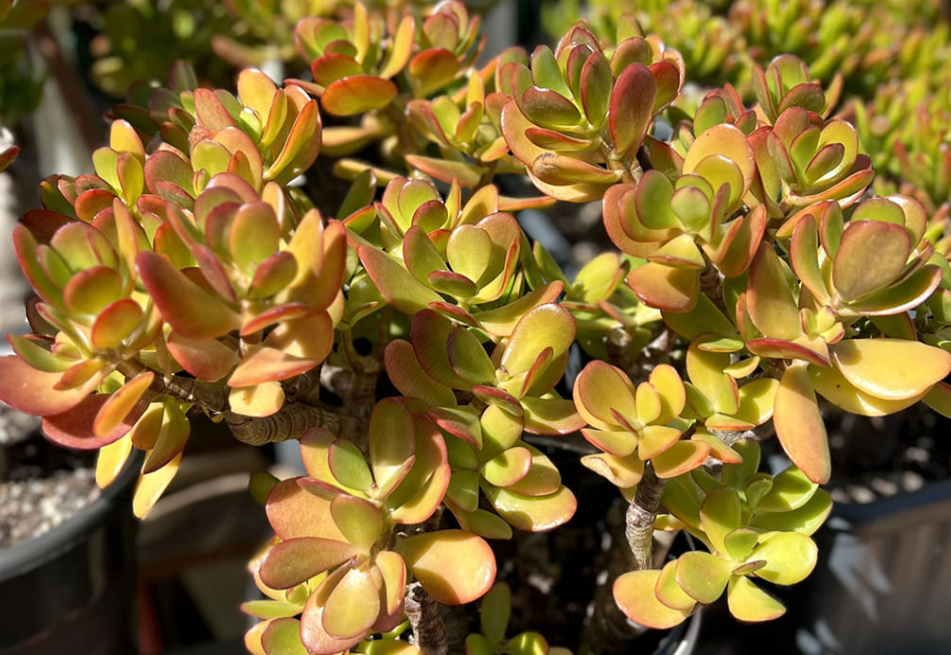
Pale leaves on a Jade Plant typically appear as soft, washed-out green, sometimes with a yellowish or grayish tint. You might notice that new growth is less vibrant or that older leaves are losing their characteristic shine. In some cases, leaves may appear translucent or feel softer than usual, indicating stress or nutrient deficiency.
Common causes overview: Light, watering, nutrients, pests, and other factors
Several factors can contribute to pale leaves, including:
- Insufficient sunlight
- Overwatering or underwatering
- Nutrient deficiencies, especially nitrogen
- Pest infestations
- Environmental stress like drafts or temperature fluctuations Understanding these causes is key to addressing the problem effectively.
Section 2: Diagnosing the Exact Cause
Follow a step-by-step process to pinpoint the specific reason for your Jade Plant’s pale leaves
Accurate diagnosis involves observing your plant’s environment and care routine. Here’s how:
Cause 1: Insufficient light — Jade Plants need bright, indirect sunlight to maintain vibrant foliage
Signs: Pale, dull leaves, slow growth, or stretched, leggy stems indicating etiolation. How to confirm: Check if your Jade Plant is placed near a window with plenty of indirect sunlight. If it’s in a low-light spot, lack of adequate light is likely the culprit.
Cause 2: Overwatering or underwatering — Both can cause stress and pale leaves
Signs of overwatering: Soft, mushy leaves, soil that stays wet for too long, and potential root rot. Signs of underwatering: Dry, shriveled leaves that may turn pale or yellow, with soil completely dry. How to confirm: Review your watering schedule and soil moisture. Are you watering too frequently or too infrequently?
Cause 3: Nutrient deficiencies — Lack of essential minerals, especially nitrogen, can lead to discoloration
Signs: Pale or yellowish leaves, especially on new growth, indicating insufficient nutrients. How to confirm: Consider your fertilization routine. Has your Jade Plant been in the same soil for a long time without feeding?
How to tell which one it is: Observing watering habits, light exposure, and overall plant health
Combine your observations to identify the main issue:
- Is the plant in a dim corner? Likely light deficiency.
- Is the soil constantly soggy? Overwatering.
- Are the leaves uniformly pale or yellowing? Nutrient deficiency or watering issues.
Section 3: Treatment Solutions
Implement targeted remedies based on the diagnosed cause to restore your Jade Plant’s health
Immediate actions to take:
- Adjust lighting: Move your Jade Plant to a brighter location with indirect sunlight, ideally near a south or east-facing window.
- Modify watering schedule: Allow the top inch of soil to dry out completely before watering again. Ensure your pot has good drainage.
- Check soil drainage: If water tends to sit, consider repotting into a well-draining succulent or cactus mix to prevent root rot.
Long-term treatment plan:
- Fertilize appropriately: Use a balanced cactus or succulent fertilizer diluted to half strength once a month during the growing season.
- Consistent watering routines: Develop a regular schedule that matches your indoor environment, typically every 2-3 weeks.
- Optimize light conditions: Keep your Jade Plant in a well-lit spot to promote healthy, vibrant growth.
What to expect during recovery:
With proper care, you should see gradual improvement in leaf color and overall plant vitality within a few weeks. New growth will appear greener and healthier, boosting your confidence as a plant parent.
Section 4: Prevention Tips
Maintain your Jade Plant’s health with simple care routines to prevent future problems
Care routine adjustments:
- Water only when the soil is dry
- Use a well-draining soil mix
- Provide ample bright, indirect sunlight
- Fertilize during the growing season
Environmental factors to monitor:
- Keep the plant away from cold drafts or sudden temperature shifts
- Maintain a stable, warm environment, ideally between 65-75°F (18-24°C)
- Avoid placing the plant near heating or air conditioning vents By establishing a consistent care routine and paying attention to environmental factors, you can prevent the recurrence of pale leaves and enjoy a thriving Jade Plant.
Conclusion
Addressing pale leaves on your Jade Plant involves understanding the underlying cause and applying targeted solutions. Whether it’s adjusting light exposure, watering habits, or nutritional support, most issues can be fixed with patience and proper care. Remember, your plant’s health is a reflection of your attention and effort. Most importantly, don’t get discouraged. With the right steps, your Jade Plant can recover its lush green vibrancy and continue to brighten your indoor space.
Next steps:
Start by checking your plant’s light and watering routines. Make the necessary adjustments based on your diagnosis, and watch for signs of improvement over the coming weeks. Your Jade Plant is resilient, and with a little love, it will thrive again!
Q: How long until I see improvement in my Jade Plant’s leaves?
A: Typically, you can expect to see signs of recovery within 2-4 weeks after correcting care issues. New growth should appear greener and healthier, and existing pale leaves may regain color or eventually fall off as the plant directs energy toward new, vibrant foliage.
Q: Can my Jade Plant fully recover from pale leaves?
A: Yes, most Jade Plants can fully recover if the underlying cause is addressed promptly. Consistent care and proper environmental conditions will help your plant regain its lush appearance and vitality.
Q: Should I prune the pale or damaged leaves?
A: Pruning pale or damaged leaves can help direct the plant’s energy toward healthy growth. Use clean, sharp scissors to remove any soft, discolored, or unhealthy leaves, but avoid over-pruning. Focus on nurturing the new, healthy foliage.
With these insights and practical steps, you’re well on your way to reviving your Jade Plant. Happy gardening!