Struggling with leggy ZZ Plant growth? Discover the causes, troubleshooting steps, and proven solutions to promote bushier, healthier indoor ZZ plants.
Introduction
Noticing your ZZ Plant looking tall, sparse, or oddly stretched out? You're not alone! Many plant enthusiasts, especially beginners, encounter this common issue. A leggy ZZ Plant can be frustrating because it often looks unhealthy or unbalanced, but don't worry—this is a fixable problem. In this article, we'll explore why your ZZ Plant might be experiencing leggy growth, how to diagnose the root causes, and what practical steps you can take to help it regain its lush, compact appearance. Think of your ZZ Plant as a living, breathing thing that responds to its environment. Small adjustments in light, pot size, fertilizing, and care routine often make all the difference. With some patience and attention, your ZZ Plant can grow strong and bushy once again!
Section 1: Understanding the Problem
Visual Identification of Leggy Stems and Sparse Foliage
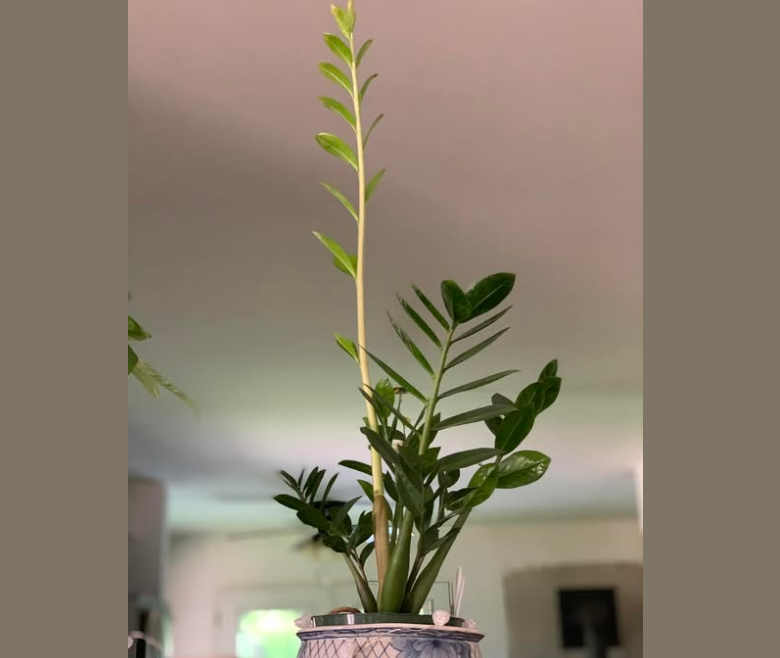
Leggy growth in a ZZ Plant typically manifests as:
- Tall, thin stems stretching upward with noticeable gaps between leaves
- Sparse foliage, with fewer leaves per stem
- Stretched-out appearance, making the plant look elongated and less bushy This situation often indicates that the plant isn't receiving the optimal conditions to promote dense, healthy growth.
Common Causes: Insufficient Light, Improper Fertilization, Pot Size, and Environmental Stress
Several factors can trigger leggy growth in ZZ Plants:
- Insufficient light: ZZ Plants thrive in bright, indirect light. When they don't get enough, they'll stretch upwards seeking light.
- Inappropriate pot size: A too-large pot forces the plant to focus energy on root growth, leading to above-ground legginess.
- Improper fertilization: Lack of nutrients can stunt overall growth, causing the plant to become elongated.
- Environmental stress: Factors like drafts, low humidity, or temperature fluctuations can also affect growth patterns. Understanding these causes helps you target the right solutions for your plant.
Section 2: Diagnosing the Exact Cause
Follow a Step-by-Step Process to Pinpoint Why Your ZZ Plant Is Becoming Leggy
Effective troubleshooting involves observing specific signs and conditions around your plant. Here's how to narrow down the cause:
Cause 1: Insufficient Light — ZZ Plants Need Bright, Indirect Sunlight
- Signs: Pale, stretched stems; leaves close to the soil; slow or weak growth.
- Test: Observe if your plant is placed in a low-light corner or behind heavy curtains. If so, it's likely not getting enough light.
Cause 2: Overgrown or Inappropriate Pot Size — Roots Are Searching for Space
- Signs: Roots visible through drainage holes, soil drying out quickly, or stunted growth despite adequate light.
- Test: Gently remove the plant from its pot to check root bound conditions. If roots circle tightly, it's time to repot.
Cause 3: Nutrient Deficiencies or Improper Fertilization — Lack of Essential Nutrients
- Signs: Slow overall growth, pale or yellowing leaves.
- Test: Recall if you haven't fertilized recently, especially during the active growing season (spring and summer).
How to Tell Which One Applies to Your Plant — Tips and Signs to Observe
- Reassess your plant's position in the house.
- Check the pot size relative to root development.
- Review your fertilization schedule or history.
- Combine these observations to identify the primary cause of legginess.
Section 3: Treatment Solutions
Once you've identified the likely cause(s), implement targeted solutions to encourage bushier, healthier growth:
Increase Light Exposure: Move to Brighter Spots or Supplement with Grow Lights
- Place your ZZ Plant near a window with bright, indirect sunlight.
- Turn it periodically for even growth.
- Use grow lights if natural light is insufficient, especially during winter months, for 12-16 hours daily.
Repot if Necessary: Choose a Slightly Larger Pot with Well-Draining Soil
- Opt for a pot with drainage holes.
- Use a loose, well-draining potting mix suitable for succulents or indoor plants.
- When repotting, gently loosen roots if they're circling tightly, and fill with fresh soil.
Adjust Fertilization: Use a Balanced, Diluted Fertilizer During Active Growth
- Feed your ZZ Plant with a balanced houseplant fertilizer diluted to half strength once a month during spring and summer.
- Avoid over-fertilizing, which can cause salt buildup and root damage.
Pruning Leggy Stems: Encourage New, Healthy Growth
- Cut back the elongated stems just above a leaf node, encouraging side shoots.
- Use clean, sharp scissors or pruning shears to prevent disease.
Additional Care Tips: Proper Watering Habits and Maintaining Optimal Temperature
- Water only when the top inch of soil is dry.
- Keep the temperature stable between 65–80°F (18–27°C).
- Maintain moderate humidity; avoid drafts and cold spots.
Section 4: Prevention Tips
Prevent future legginess in your ZZ Plant by maintaining consistent, optimal care:
Ensure Adequate, Consistent Lighting
- Aim for 4–6 hours of bright, indirect sunlight daily.
- Rotate the plant regularly to promote even growth.
Use Appropriately Sized Pots with Proper Drainage
- Repot when roots become established but before they become root-bound.
- Select pots proportionate to the plant size.
Regularly Fertilize During Growing Seasons
- Feed with balanced nutrients every 4–6 weeks during active growth.
- Reduce feeding in fall and winter.
Monitor Environmental Factors
- Keep temperature stable.
- Maintain humidity levels and inspect for drafts.
Avoid Overwatering and Keep Soil Airy
- To prevent root rot, water only when necessary.
- Use airy soil mixes to promote healthy root development.
Conclusion
We’ve covered how to identify leggy ZZ Plant growth, diagnose the causes—be it insufficient light, inappropriate pot size, or nutritional deficiencies—and adopt effective remedies. Remember, your ZZ Plant is a resilient friend, and with some thoughtful adjustments, it can regain its full, lush glory. Next steps: Start by assessing your plant’s light exposure and pot size. Make the necessary changes by moving it to a brighter spot, repotting if needed, and beginning a proper fertilization routine. Patience is key—your ZZ Plant will thank you with vigorous, bushy growth!
FAQ
Q: How long will it take to see improvement after changing light or repotting?
A: Usually, you can expect to see noticeable improvements within 4 to 6 weeks. New leaves and shorter stems indicate healthy growth. Consistency in care will accelerate this process.
Q: Is pruning necessary for leggy ZZ Plants?
A: Pruning is highly recommended. Cutting back elongated stems encourages bushier growth and prevents the plant from becoming gangly. Plus, it helps shape your ZZ Plant to look fuller and healthier.
Q: Can over-fertilizing cause leggy growth in ZZ Plants?
A: Yes, excessive or improper fertilization can weaken the plant’s structure, leading to legginess or even root damage. Always dilute fertilizers and follow recommended feeding schedules.
By understanding your ZZ Plant’s needs and making mindful adjustments, you can enjoy a vibrant, dense, and attractive indoor plant. Happy gardening!