Struggling with Aloe Vera leaf drop? Discover common causes, diagnosis steps, effective treatments, and prevention tips to keep your plant healthy.
Introduction
Noticing your Aloe Vera shedding leaves can be worrying, especially when you're eager to keep your indoor garden thriving. Leaf drop is a common issue many plant owners face, but understanding why it happens is the first step toward helping your plant recover. Whether your Aloe Vera’s leaves are browning, wilting, or simply falling off, there's usually a straightforward explanation—and solutions that can get your plant back on track.
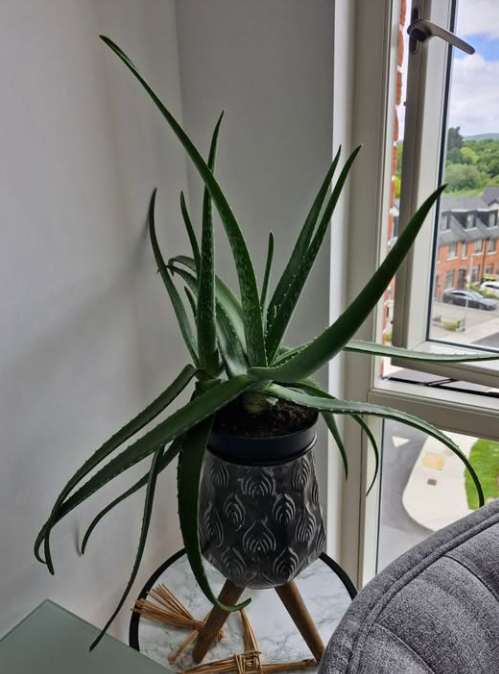
In this article, we will explore the causes of Aloe Vera leaf drop, guide you through diagnosing the problem, suggest practical remedies, and share tips to prevent future issues. Rest assured, with proper care and attention, your Aloe Vera can recover and thrive again.
Section 1: Understanding the Problem
Visual Identification: What Does Leaf Drop Mean in Aloe Vera?
Aloe Vera typically has thick, fleshy leaves that grow upright and outward. When leaf drop occurs, you'll notice:
- The sudden or gradual falling of leaves from the plant.
- Leaves turning yellow, brown, or developing spots before falling.
- Dry, crispy edges or drooping leaves showing signs of stress.
- An overall thinning appearance or an imbalance in leaf size. It's important to differentiate between natural shedding—like older outer leaves gradually dying off—and abnormal leaf drop that indicates underlying issues.
Common Causes Overview: Environmental Stress, Watering Issues, Pests, and More
Several factors can cause Aloe Vera leaves to drop, including:
- Overwatering or underwatering: Both extremes can disrupt root health.
- Insufficient light: Aloe Vera thrives in bright, indirect sunlight; lack of light weakens the plant.
- Sudden environmental changes: Moving the plant, drafts, or temperature fluctuations can cause stress.
- Pests and diseases: Common pests include mealybugs, aphids, and scale; diseases may include root rot.
- Nutrient deficiencies: Lack of essential nutrients can weaken leaves over time. Understanding these causes is crucial to diagnosing and resolving the problem effectively.
Section 2: Diagnosing the Exact Cause
Follow a Step-by-Step Process to Identify the Root Cause
Careful observation and a systematic approach are key to diagnosing why your Aloe Vera's leaves are dropping.
Cause 1: Overwatering or Underwatering
Signs of overwatering:
- Soft, mushy leaves.
- Yellowing or translucent leaf tissue.
-
Roots may be rotted or smell foul. Signs of underwatering:
-
Wrinkled, dry leaves.
- Leaves drooping or severely shriveled.
-
Soil feels extremely dry. How to check:
-
Gently remove the plant from its pot to inspect roots.
- Feel the soil moisture level; it should be well-draining but not completely dry or waterlogged.
Cause 2: Insufficient Light or Sudden Environmental Changes
Signs of low light:
- Leggy, elongated stems.
- Pale or dull-colored leaves.
-
Leaf drop due to weakened plant structure. Environmental stress signs:
-
Drafts from windows or air conditioners.
-
Rapid temperature fluctuations. How to tell:
-
Observe changes after moving the plant or seasonal shifts.
- Ensure your Aloe Vera is placed in bright, indirect sunlight.
Cause 3: Pests or Diseases
Signs of pests:
- Tiny insects on leaves or stems.
- Sticky residue (honeydew) or white/black spots.
-
Presence of webbing or cotton-like fluff. Signs of disease:
-
Soft, rotting spots.
- Discolored or spotted leaves.
-
Fungal growth. How to tell:
-
Conduct a close examination; use a magnifying glass if needed.
- Check for pests hiding under leaves or along the stem.
How to Tell Which Cause Applies to Your Plant
- Overwatering: soft, mushy leaves with rotted roots.
- Underwatering: shriveled, dry leaves with firm roots.
- Low light: pale, elongated leaves and sparse growth.
- Pests: visible insects or sticky residue.
- Environmental changes: recent relocation or changes in temperature/humidity. Accurate diagnosis will guide you toward the correct treatment.
Section 3: Treatment Solutions
Apply Targeted Remedies to Help Your Aloe Vera Recover
Once you've identified the cause, take immediate steps to remedy the situation.
Immediate Actions: Adjust Watering and Relocate Plant
- Overwatering: Remove excess water, allow soil to dry thoroughly, and consider repotting if root rot has started.
- Underwatering: Water your Aloe Vera deeply but infrequently—allow the soil to dry out between watering.
- Low light or environmental stress: Move your plant to a brighter location away from drafts or direct harsh sunlight.
Treating Pests or Diseases If Present
- Remove affected leaves with clean scissors.
- For pests like mealybugs or scale: wipe leaves with neem oil solution or insecticidal soap.
- For root rot: gently remove the plant, trim rotten roots, and repot in dry, well-draining soil.
Long-term Care: Proper Watering Schedule, Appropriate Lighting, and Soil Quality
- Watering: Water every 3 weeks in summer, even less in winter. Always check soil moisture first.
- Lighting: Provide bright, indirect sunlight for at least 6 hours daily.
- Soil: Use a well-draining cactus or succulent mix to prevent water retention.
Monitoring Recovery and Signs of Improvement
- New, healthy growth indicates recovery.
- Leaves stabilize in size and color.
- No further excessive leaf drop over time. Be patient, as Aloe Vera may take a few weeks to bounce back fully.
Section 4: Prevention Tips
Keep Your Aloe Vera Healthy With Proactive Care
Prevention is always better than treatment. Here's how to maintain a healthy Aloe Vera and avoid leaf drop in the future:
Consistent Watering and Avoiding Overexposure to Water
- Water only when the top inch of soil feels dry.
- Ensure the pot has drainage holes.
Providing the Right Amount of Indirect Sunlight
- Place your Aloe Vera near a south or east-facing window.
- Avoid intense direct sunlight that can scorch leaves.
Maintaining Optimal Temperature and Humidity
- Keep temperatures between 59°F and 77°F (15°C - 25°C).
- Avoid cold drafts or sudden temperature drops.
Regular Inspection for Pests and Early Intervention
- Check leaves regularly for tiny pests or sticky residue.
- Isolate new plants before introducing them to your collection. Adopting these habits fosters a resilient Aloe Vera that resists leaf drop and other issues.
Conclusion
Recap
In this guide, we've covered why Aloe Vera might shed its leaves—causes ranging from watering errors and lighting issues to pests and environmental stresses. We’ve provided a step-by-step diagnosis process, effective treatment options, and preventative care tips to keep your plant healthy.
Encouragement
Don’t worry—most leaf drop issues are manageable with prompt action and consistent care. Your Aloe Vera has a good chance to recover with the right adjustments.
Next Steps
Start by assessing your plant’s current condition, identify the root cause, implement the appropriate remedies, and adopt preventive habits. With patience and attentive care, your Aloe Vera will bounce back, adding beauty and greenery to your indoor space.
FAQ
Q: How long until I see my Aloe Vera recover?
A: Recovery time varies depending on the cause and severity. Typically, you might start noticing new, healthy growth within 4 to 8 weeks after correcting the problem. Patience and consistent care are key.
Q: Can leaf drop be caused by pests?
A: Yes, pests such as mealybugs, aphids, or scale insects can weaken your Aloe Vera and cause leaf drop. Regular inspection and prompt treatment are crucial to prevent infestations from worsening.
Q: Should I prune the fallen leaves?
A: It's generally a good idea to remove fallen or damaged leaves to prevent potential disease spread and encourage healthy new growth. Use clean, sharp scissors or pruning shears for best results.
Taking care of Aloe Vera is straightforward once you understand its needs. By paying attention to watering, lighting, and pest control, you'll keep your plant thriving and reduce leaf drop worries. Happy gardening!