Quick Summary: Pale or yellowing leaves on your Monstera deliciosa can be concerning, but most issues are fixable with some simple care adjustments. Understanding the underlying cause—whether it’s light, watering, nutrition, or environment—helps you restore your plant’s vibrant health. In this guide, we’ll explore common reasons for pale leaves, how to diagnose your plant’s specific culprit, and effective steps to bring back its lush, green beauty.
Introduction
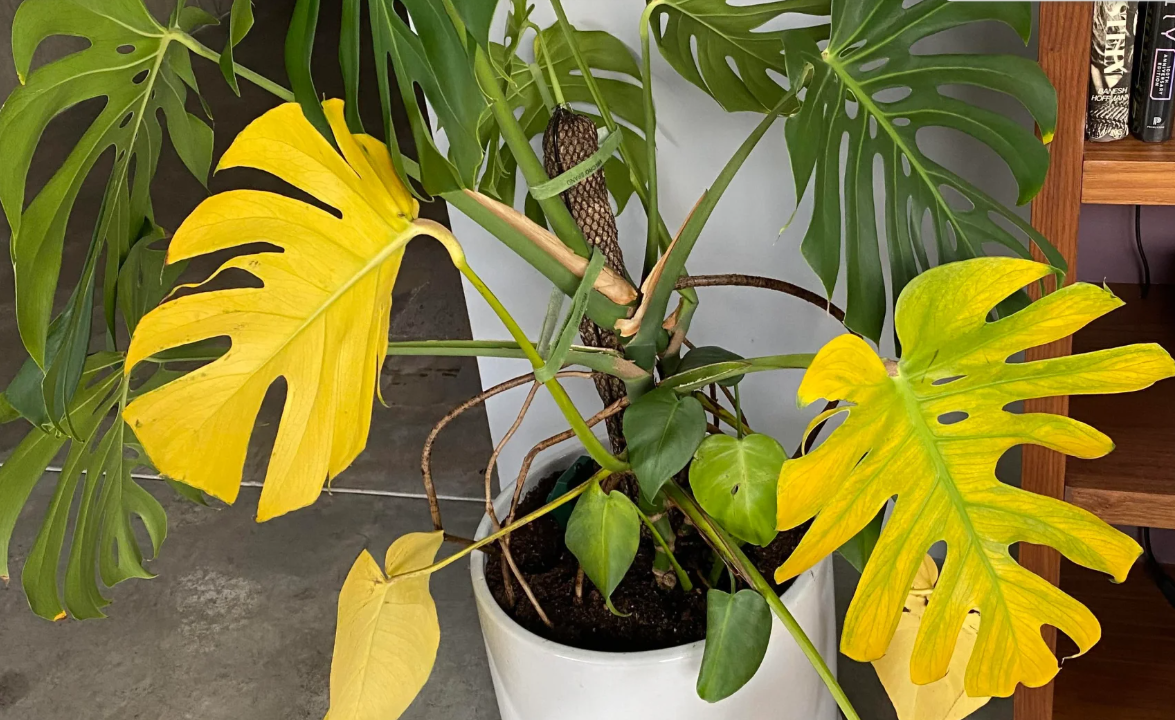
Noticing your Monstera deliciosa’s leaves turning pale or yellow can be disheartening—seeing those lush, glossy leaves fade to a dull, pale hue sparks concern. It’s natural to worry, especially since your plant’s vibrant health is a reflection of your love and care. Rest assured, many of these issues are quite common and can be resolved with some attention and adjustments. Your Monstera is resilient, and with a little patience, it can recover from many common problems. This guide will walk you through understanding what causes pale leaves, how to accurately identify the issue, and practical solutions you can implement today. Whether it’s adjusting light, watering habits, or fertilization, by the end, you’ll have a clear action plan to help your plant regain its lush, healthy appearance. Let’s dive in and get your Monstera thriving again!
Section 1: Understanding the Problem
Visual Identification of Pale or Yellowing Leaves on Monstera
First, observe the affected leaves carefully:
- Are the leaves uniformly pale or yellow?
- Do only the older, lower leaves look affected, or are the new growths pale as well?
- Is the discoloration accompanied by browning tips or soft, mushy spots? Pale or yellow leaves in Monstera often indicate stress that hampers chlorophyll production—the pigment responsible for green color. Recognizing these signs early helps you address the problem before it worsens.
Common Causes Overview: Light, Watering, Nutrition, Pests, and Environment
Many issues behind pale leaves stem from similar root causes:
- Insufficient Light: Monsteras love bright, indirect light. Too little light causes the plant to weaken, leading to pale foliage.
- Overwatering or Underwatering: Both extremes can cause stress, root damage, and nutrient deficiencies, resulting in discoloration.
- Nutrient Deficiencies: A lack of essential nutrients, like nitrogen or magnesium, turns leaves pale.
- Pests and Environmental Stress: Pests such as spider mites or drafts from cold windows can sap vitality and cause discoloration. Understanding these common causes helps you narrow down what might be happening with your plant.
Section 2: Diagnosing the Exact Cause
Step-by-Step Process to Pinpoint the Cause
Follow these steps to identify why your Monstera’s leaves are pale:
Cause 1: Insufficient Light — Is Your Monstera Getting Enough Bright, Indirect Sunlight?
- Symptoms: Leaves appear pale, stretched out, or less glossy.
- How to Confirm: Check the placement of your plant. Is it near a window with filtered light? If it’s behind heavy curtains or in a dim corner, it’s likely not getting enough light.
- Why It Happens: Monsteras need about 6 hours of bright, indirect sunlight daily to maintain their rich green color.
Cause 2: Overwatering or Underwatering — Check Soil Moisture and Watering Habits
- Symptoms: Pale leaves combined with soft or wilting foliage.
- How to Confirm: Touch the top inch of soil:
- If it feels soggy or waterlogged, overwatering is likely.
- If it’s dry and the leaves look dull, underwatering could be the culprit.
- Why It Happens: Too much water drowns the roots, reducing oxygen and impairing nutrient uptake. Too little water stresses the plant and causes leaves to pale.
Cause 3: Nutrient Deficiencies — Are You Fertilizing Regularly?
- Symptoms: Newly pale or yellowing leaves, especially if older leaves are healthy.
- How to Confirm: Think about your fertilization routine:
- Are you feeding your Monstera during the growing season (spring and summer)?
- Is the fertilizer balanced, providing nitrogen and magnesium?
- Why It Happens: Without enough nutrients, chlorophyll production drops, resulting in pale or yellow leaves.
Cause 4: Environmental Stress — Drafts, Temperature Fluctuations, or Low Humidity
- Symptoms: Pale leaves, edges browning, or leaf drop.
- How to Confirm: Is your Monstera near a window exposed to cold drafts? Are the temperatures fluctuating rapidly? Is the humidity low, especially in winter?
- Why It Happens: Cold drafts and dry air stress the plant, suppressing chlorophyll and causing discoloration.
Additional Tips:
- Use a light meter or observe how the light changes throughout the day.
- Conduct a soil moisture test with your finger or a moisture meter.
- Keep a care journal to track watering and fertilization schedules.
Section 3: Treatment Solutions
Immediate Actions (First 24-48 Hours):
-
Assess and Improve Light:
-
Move your Monstera closer to a bright, indirect light source—near a east or west-facing window.
- If natural light is limited, consider grow lights to supplement.
-
Adjust Watering Routine:
-
Check the soil moisture.
- Water only when the top inch of soil feels dry.
- Ensure your pot has proper drainage to prevent waterlogging.
-
Review Fertilization:
-
If you haven't fed your plant recently, mix a diluted houseplant fertilizer (about half strength) and apply during the growing season.
- Avoid over-fertilizing, which can cause salt buildup and stress roots.
-
Relocate Away from Drafts or Cold Windows:
-
Keep your plant in a stable environment with consistent temperature and humidity.
Long-term Treatment:
- Implement a Regular Care Routine:
- Water every 1-2 weeks, adjusting based on soil moisture.
- Fertilize every 4-6 weeks during active growth.
- Maintain Optimal Light:
- Keep the plant in bright, filtered sunlight.
- Use sheer curtains if direct sun burns leaves.
- Improve Humidity:
- Mist leaves or place a humidifier nearby, especially during dry winter months.
Recovery Expectations:
- In most cases, you’ll see signs of improvement within 2-4 weeks—leaves regain their deep green color, and new growth appears healthier.
- If discoloration persists after making adjustments, reassess environmental factors and consider repotting if root issues are suspected.
Section 4: Prevention Tips
To keep your Monstera deliciosa vibrant and healthy:
- Optimize Lighting: Place your plant where it can receive bright, indirect sunlight—aim for at least 6 hours daily.
- Water Correctly: Water when the top inch of soil is dry; avoid letting the plant sit in water.
- Feed Appropriately: Use a balanced, liquid houseplant fertilizer during the growing season, following label instructions.
- Monitor Environment: Maintain temperature between 65-80°F (18-27°C) and humidity above 50%. Keep away from cold drafts or air conditioning vents.
- Regularly Inspect: Check for pests, signs of stress, and soil moisture weekly to catch problems early.
Frequently Asked Questions
Q: How long until I see improvement after fixing the problem?
A: Typically, within 2 to 4 weeks, you should notice healthier, darker green leaves and new growth if the cause was properly addressed.
Q: Can my Monstera fully recover from yellowing leaves?
A: Yes, if the yellowing isn’t due to irreversible damage like severe root rot or age. The plant can produce new, healthy leaves once the stress is corrected.
Q: Should I prune the pale or yellowing leaves?
A: Yes, removing faded or damaged leaves helps redirect energy to new growth and keeps your plant looking tidy. Use clean, sharp scissors to prune at the stem base.
Conclusion
Key Takeaways:
- Pale or yellow leaves on your Monstera deliciosa often stem from lighting, watering, nutrition, or environmental issues.
- Diagnosing the specific cause involves checking light exposure, soil moisture, fertilization routines, and environmental stressors.
- Simple care adjustments—improving light, watering correctly, fertilizing properly—can restore your plant’s lush green vibrancy.
- Regular monitoring and proactive care prevent future issues, keeping your Monstera thriving. Remember, your plant’s health is a journey, and with attentive care, your Monstera can bounce back beautifully. Start today by inspecting its environment, making small improvements, and watching how it responds. Your leafy companion will thank you with fresh, vibrant foliage!