Struggling with black spots on your ZZ plant? Don’t worry—you’re not alone. Many indoor plant enthusiasts encounter this common issue, but the good news is that black spots are often manageable once you understand their causes. Whether you're a beginner or a seasoned plant parent, knowing how to diagnose and treat this problem will help your ZZ plant bounce back beautifully. In this article, we’ll explore why black spots appear on ZZ plants, how to identify their root causes, and practical, easy-to-implement tips to restore your plant’s health. With proper care and attention, your ZZ plant can recover and continue to brighten your indoor space for years to come.
Understanding the Problem
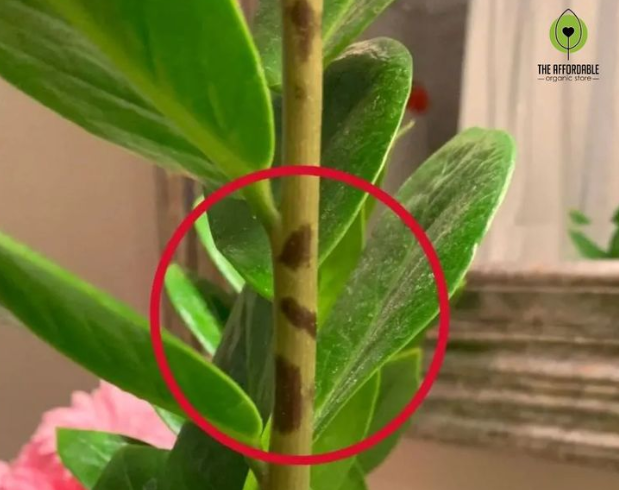
Visual Identification of Black Spots on ZZ Plant Leaves
Black spots on ZZ plant leaves usually appear as small, dark patches or larger, irregularly shaped blemishes. They may be:
- Localized: confined to a few areas on one or more leaves
- Spreading: gradually increasing in size and number
- Accompanied by other symptoms: yellowing, wilting, or leaf drop These spots often have a soggy or shiny appearance, especially if caused by overwatering or fungal infections.
Common Causes Overview: Overwatering, Fungal Infections, or Pests
Black spots are generally caused by issues such as:
- Fungal infections: leaf spot diseases and other fungal pathogens thrive in moist conditions
- Overwatering: excess water creates a humid environment conducive to fungal growth and root rot
- Pest damage: pests like scale or mealybugs can cause scars or secondary infections that lead to black spots Understanding the specific cause requires careful observation and diagnosis, which we’ll cover in the next section.
Diagnosing the Exact Cause
Step-by-Step Process to Determine Why Your ZZ Plant Has Black Spots
Identifying the root cause is crucial for effective treatment. Follow these steps:
Cause 1: Fungal Infection (e.g., leaf spot diseases)
Indicators:
- Black spots with defined edges
- Spots may be surrounded by yellow halos
-
Spots are often on only affected leaves, not the stem Diagnosis tips:
-
Check if the spots are spreading rapidly
- Look for fuzzy mold or powdery growth around the spots
Cause 2: Overwatering Leading to Root or Stem Rot
Indicators:
- Soft, mushy stems or roots when inspected
- Yellowing leaves before black spots appear
-
Soil that remains overly wet or has a foul odor Diagnosis tips:
-
Gently remove the plant from its pot to inspect roots
- If roots are dark, slimy, or foul-smelling, overwatering is likely
Cause 3: Pest-Related Damage or Secondary Infections
Indicators:
- Presence of pests such as scale insects or mealybugs
- Tiny holes or scars on leaves, sometimes with sticky residue
-
Black spots appearing near pest-infested areas Diagnosis tips:
-
Use a magnifying glass to spot pests
- Check the underside of leaves and stems for signs of pests or eggs
How to Tell Which Cause Applies to Your ZZ Plant
Careful observation, combined with inspecting the plant’s roots and leaves, will help you pinpoint the exact cause. If uncertain, consider consulting a local plant expert or sending a photo to online plant forums for advice.
Treatment Solutions
Once you've diagnosed the problem, it's time to apply targeted remedies.
Immediate Actions: Removing Affected Leaves, Adjusting Watering Habits
- Prune affected leaves: use clean, sharp scissors or pruning shears to remove black-spotted leaves to prevent spread.
- Improve watering routines: let the soil dry out between waterings to prevent overwatering.
- Isolate the plant: if fungal or pest issues are suspected, keep it separate from other indoor plants.
Using Natural Remedies Like Neem Oil or Fungicides for Fungal Issues
- Fungal infections: apply a neem oil solution or a mild fungicide directly to affected areas, following product instructions.
- Repeat treatments: ensure thorough coverage and repeat every 7-10 days until symptoms subside.
Long-Term Care: Improving Humidity, Ensuring Proper Drainage, Pest Control
- Enhance drainage: use well-draining soil and pots with drainage holes.
- Control humidity: avoid excessive humidity buildup; ensure good airflow in your space.
- Pest management: regularly inspect your ZZ plant, and if pests are found, treat with insecticidal soap or neem oil.
Monitoring Recovery: Signs to Watch While Your ZZ Plant Heals
- Reduction in black spots
- New healthy leaf growth
- Improved leaf color and firmness Be patient—resolving fungal or pest issues can take a few weeks, but consistent care will lead to recovery.
Prevention Tips
Preventing black spots is easier than treating them. Implement these strategies to keep your ZZ plant healthy long-term:
Care Routine Adjustments: Appropriate Watering Schedule, Avoiding Water Sitting on Leaves
- Water sparingly: water only when the top inch of soil is dry.
- Avoid watering on leaves: water the soil directly to reduce fungal risk.
- Use proper containers: pots with drainage holes prevent water accumulation.
Environmental Factors: Proper Airflow, Suitable Lighting, Appropriate Humidity Levels
- Ensure good airflow: position your ZZ plant where it receives gentle air circulation.
- Provide bright, indirect light: it helps maintain healthy, resilient leaves.
- Maintain moderate humidity: ZZ plants are adaptable but prefer standard indoor humidity levels; avoid overly humid environments.
Conclusion
Recap of Recognizing Black Spots, Diagnosing the Cause, and Applying Effective Treatments
Black spots on your ZZ plant can be caused by fungal infections, overwatering, or pests. Recognizing the pattern and examining your plant closely will help diagnose the issue. Once identified, targeted treatments such as pruning, adjusting watering, and applying natural fungicides or pest control remedies will guide your plant toward recovery.
Encouragement
Remember, with patience, proper diagnosis, and diligent care, your ZZ plant can bounce back from black spots and continue to be a vibrant addition to your indoor space.
Next Steps
- Follow the diagnostic steps outlined here
- Implement necessary treatment measures
- Regularly monitor your ZZ plant’s health and environment
Your attentive care today will ensure a healthy, thriving ZZ plant tomorrow!
FAQ
Q: How long does it take for black spots to disappear after treatment?
A: The time frame depends on the severity and cause. Generally, you can expect to see improvement within 2-4 weeks after treatment. Consistent application of remedies and proper care are key to speeding up recovery.
Q: Can I prune all affected parts, or should I leave some leaves intact?
A: It's best to prune affected leaves and stems to prevent spread, but avoid removing too many leaves at once. Target only the blackened or damaged areas, leaving healthy foliage intact to support plant health.
Q: What are the best preventive measures to keep my ZZ plant healthy long-term?
A: Maintain proper watering routines, ensure good airflow, provide bright indirect light, use well-draining soil, and regularly inspect your plant for pests or early signs of issues. These practices will help prevent black spots and promote overall health.
By staying observant and proactive, you'll ensure your ZZ plant remains a healthy, beautiful part of your indoor garden. Happy planting!