Are you noticing your Rubber Plant's leaves curling unexpectedly? Don't worry—you're not alone. Curling leaves can be a common concern for many indoor plant enthusiasts, especially those new to caring for rubber plants. The good news is that most causes are simple to diagnose and fix with a touch of patience and proper care.
In this article, we’ll walk you through understanding why your Rubber Plant’s leaves are curling, how to identify the root cause, and what practical steps you can take to restore your plant’s health and vibrancy. Whether your plant is suffering from overwatering, environmental stress, or pests, we've got you covered with straightforward solutions.
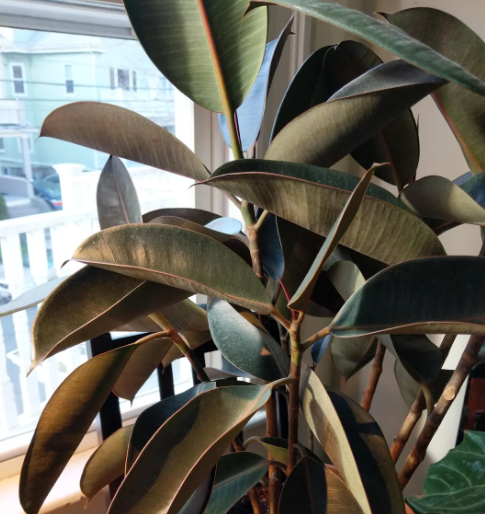
With the right care and troubleshooting, your Rubber Plant can bounce back beautifully. Let’s dive in!
Section 1: Understanding the Problem
Visual Identification: How to Recognize Curling, Warping, or Shriveled Leaves
The first step in fixing Rubber Plant curling leaves is recognizing what they look like. Typical signs include:
- Leaves curling inward or downward, sometimes with crisp edges
- Leaves warping or twisting, giving an uneven appearance
- Shriveled or wrinkled leaves, often indicating dehydration
- Color changes, such as yellowing or browning, accompanying curling By observing these details, you can better determine whether the issue is related to watering, environment, pests, or disease.
Common Causes Overview: Watering Issues, Environmental Stress, Pests, or Diseases
Here are the most frequent reasons behind curling leaves:
- Overwatering or root rot
- Underwatering or drought stress
- Excessive direct sunlight or drafts
- Low humidity indoors
- Pests like spider mites or mealybugs
- Fungal or bacterial diseases Now that you know what to look for, let’s move on to diagnosing the exact cause of your plant’s curled leaves.
Section 2: Diagnosing the Exact Cause
Follow these steps to identify what’s causing your Rubber Plant's leaves to curl:
Cause 1: Overwatering or Root Rot
Symptoms: Soft, soggy soil; foul odor; roots may appear brown and mushy when inspected. How to check:
- Gently pull out the plant from its pot and examine the roots. Healthy roots are white or light tan and firm. Rotted roots are dark, slimy, and emit a bad smell.
- Feel the soil: if it remains wet for days and does not dry out, overwatering is likely.
Cause 2: Underwatering
Symptoms: Dry, brittle soil; leaves curl inward, become crispy at the edges. How to check:
- Feel the soil moisture: if it’s dry several inches deep, your plant may need watering.
- Observe leaf texture: brittle, shriveled leaves signal dehydration.
Cause 3: Environmental Stress
Symptoms: Leaves curling inward during hot, dry, or drafty conditions. How to check:
- Assess exposure to direct sunlight: rubber plants prefer bright, indirect light. Excess sunlight causes leaves to curl or scorch.
- Check for drafts from windows or AC vents.
- Measure indoor humidity: low humidity (below 40%) can cause leaves to curl and dry out.
How to tell which cause applies to your plant
Create a simple checklist:
- Soil feels very wet? Likely overwatering.
- Soil is very dry? Underwatering.
- Plant in direct sunlight or near drafts? Suspect environmental stress.
- Roots look healthy? Else, possible root rot or pests.
- Use observation to match signs with causes above.
Section 3: Treatment Solutions
Once you identify the root cause, take targeted action:
Immediate Actions to Take
- Overwatering:
- Remove the plant from the pot and trim any blackened, mushy roots.
- Repot into well-draining soil, ensuring the pot has drainage holes.
- Reduce watering frequency; wait until the top inch of soil dries out.
- Underwatering:
- Water thoroughly until excess drains out, then allow the soil to dry slightly before watering again.
- Mist the leaves and increase humidity if air is dry.
- Environmental stress:
- Move the plant to a spot with bright, indirect sunlight.
- Keep it away from drafts, air conditioners, or heating vents.
- Pest infestation:
- Inspect foliage closely for mites or insects.
- Spray with neem oil, insecticidal soap, or use natural remedies like hydrogen peroxide (diluted) on affected areas.
Natural Remedies: Pest Control
- Neem oil: Dilute according to instructions; spray on the leaves and stems to deter pests.
- Insecticidal soap: Available at garden centers; effective against soft-bodied pests.
- Hydrogen peroxide solution: Mix one part hydrogen peroxide with four parts water; spray lightly on affected areas to control pests without harming the plant.
Long-term Care: Proper Watering Schedule and Environment
- Water only when the top inch of soil feels dry.
- Maintain humidity around 50–60% by misting or using a humidifier.
- Provide bright, indirect sunlight for 4–6 hours daily.
Monitoring Recovery
- Regularly inspect leaves for improvements.
- Watch for new leaf growth and reduced curling.
- Prune any damaged or severely curled leaves to encourage healthy new growth.
Section 4: Prevention Tips
Prevention is key to keeping your Rubber Plant healthy and free of curling leaves:
Care Routine Adjustments
- Follow a consistent watering schedule grounded in soil moisture checks.
- Use balanced, indoor plant fertilizer once a month during active growing seasons.
- Prune dead or damaged leaves promptly to promote healthy growth.
Environmental Factors
- Position your Rubber Plant in bright, filtered light.
- Keep humidity levels steady, especially in winter or dry indoor spaces.
- Ensure good air circulation but avoid cold drafts directly hitting the plant.
Regular Inspections
- Check your plant weekly for signs of pests, stress, or yellowing leaves.
- Address minor issues early to prevent major problems.
Conclusion
Recap of Key Points
Curling leaves on your Rubber Plant can be caused by overwatering, underwatering, environmental stress, pests, or disease. Correct diagnosis paired with targeted treatment—whether adjusting watering habits, improving light and humidity, or controlling pests—can restore your plant’s vitality.
Encouragement
Remember, every problem is manageable with a little patience and attentive care. Your Rubber Plant has the resilience to bounce back once its environment and watering are appropriately managed.
Next Steps
Start observing your plant today. Use the steps outlined here to diagnose the cause of curling leaves and apply the suitable remedies. With consistent care, your Rubber Plant will reward you with lush, healthy foliage and vibrant growth.
Q: How long until I see improvement after fixing watering issues?
A: Typically, you can notice signs of recovery within a few weeks—such as leaves unfurling or new healthy growth—if the cause was related to watering and environment. Patience is key, as healthy roots and leaves take time to regenerate.
Q: Can my Rubber Plant fully recover from leaf damage?
A: Yes, if the underlying issue is corrected early and damaged leaves are pruned, your Rubber Plant can recover fully. While some browned or curled leaves may not bounce back, new growth will be healthy and vibrant.
Q: Should I prune curling or damaged leaves to help recovery?
A: Absolutely. Removing severely curled or damaged leaves encourages the plant to focus energy on new, healthy growth and prevents pests or diseases from settling on dead tissue. Use clean, sharp scissors or pruning shears for best results.
By following these practical tips and troubleshooting steps, you’re well on your way to nurturing a thriving Rubber Plant with lush, curling-free leaves. Happy gardening!