Struggling with pale leaves on your Peace Lily? Discover diagnosing steps and practical fixes to restore its healthy, vibrant look with our expert tips.
Introduction
Noticing your Peace Lily's leaves turning pale can be worrying — but don’t worry, it’s often fixable! A lush, vibrant Peace Lily not only beautifies your indoor space but also signals good plant health. When its leaves lose their rich green hue, it might seem like trouble is brewing. However, understanding the underlying causes and taking targeted action can bring your plant back to life. This guide will help you identify why your Peace Lily's leaves are pale and show simple steps to revive your plant. With proper care adjustments, you can bring back your Peace Lily’s lush, green beauty—and enjoy a thriving, happy indoor plant.
Section 1: Understanding the Problem
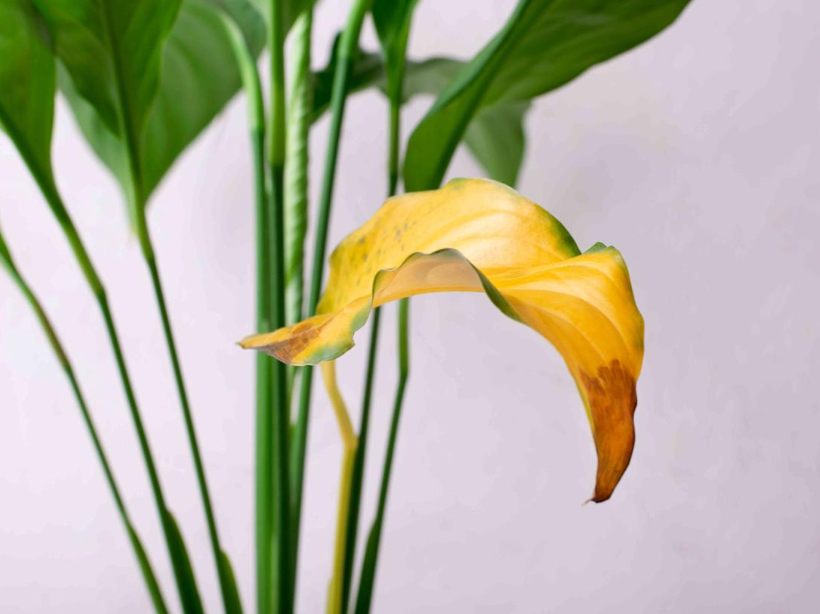
Visual Identification: What Do Pale Peace Lily Leaves Look Like?
Pale or dull, faded green leaves are common signs your Peace Lily needs attention. These leaves might appear:
- Lighter than usual, almost whitish or yellowish-green.
- Lack of the glossy, vibrant appearance typical of healthy leaves.
- Sometimes, the edges may turn brown or curl, indicating stress.
Common Causes Overview
Pale leaves can result from several factors, often related to environmental conditions or nutritional deficiencies:
- Insufficient Light: Peace Lilies prefer bright, indirect sunlight. Too little light can cause leaves to lose their vibrant color.
- Improper Watering: Overwatering can drown roots, while underwatering leads to dehydration—all stressing the plant. Both can cause paleness.
- Nutrient Deficiencies: Especially nitrogen deficiency, which is crucial for chlorophyll production, results in dull, pale leaves.
- Environmental Stress: Sudden temperature changes, drafts, low humidity, or dry air can impact leaf health. Understanding which of these causes affects your plant is the first step toward fixing the problem.
Section 2: Diagnosing the Exact Cause
Step-by-Step Process to Pinpoint the Issue
Diagnosing your Peace Lily's pale leaves involves observing its environment, watering habits, and overall appearance.
Cause 1: Inadequate Light
- Signs: Leaves are pale, with a dull appearance, especially on the lower or shaded parts of the plant.
- What to check: Is your Peace Lily placed away from bright, indirect light? Does it sit in a dim corner or behind furniture?
Cause 2: Improper Watering
- Signs of overwatering: Wilting leaves despite soggy soil, root rot smells, or yellowing leaves.
- Signs of underwatering: Dry, crispy leaf edges and drooping stems.
- What to check: How often do you water? Is the top inch of soil dry or always soggy?
Cause 3: Nutrient Deficiency
- Signs: Pale, dull leaves without apparent environmental causes.
- What to check: When was the last time you fertilized? Are the leaves uniformly pale or only certain parts?
How to Tell Which Cause Applies
- Observe the environment: Is the plant in a dim corner or near a window with indirect light?
- Check watering practices: Is the soil consistently wet or bone dry?
- Assess fertilizer history: Has it been a while since the last feeding? Do new leaves look healthier? Once you identify the primary cause, you can choose the most effective treatment.
Section 3: Treatment Solutions
Immediate Actions to Take
Based on your diagnosis, implement these quick fixes:
- Adjust Lighting: Move your Peace Lily closer to a bright, indirect light source. Avoid direct sunlight, which can scorch leaves.
- Correct Watering Habits:
- For overwatering: Let the soil dry out slightly, ensure the pot has proper drainage.
- For underwatering: Water thoroughly when the top inch of soil feels dry.
- Fertilize Appropriately: Use a balanced, water-soluble houseplant fertilizer every 4–6 weeks during the growing season. Preferably, choose a formula rich in nitrogen.
Long-term Care Plan
- Establish a routine: Consistent watering schedule tailored to your environment—typically once a week.
- Monitor environment: Maintain moderate humidity, ideally 40-60%, especially in dry indoor air.
- Regular feeding: Fertilize as mentioned to prevent nutrient deficiencies.
- Pruning: Remove severely pale or yellowing leaves to redirect energy to healthy growth.
What to Expect During Recovery
As you correct these issues, you should notice:
- Gradual darkening of pale leaves.
- New, vibrant green leaves appearing.
- Overall improved vigor and leaf glossiness. Recovery can take a few weeks, but patience and consistency are key.
Section 4: Prevention Tips
Care Routine Adjustments
- Water wisely: Check soil moisture regularly and avoid both sogginess and dryness.
- Fertilize consistently: During active growth seasons (spring and summer), feed every 4–6 weeks.
- Maintain appropriate light: Position your Peace Lily near a north or east-facing window with filtered light.
Environmental Factors to Monitor
- Keep humidity levels up with occasional misting or a humidifier.
- Avoid placing the plant near drafts, heating vents, or air conditioning units.
- Maintain a stable temperature between 65–80°F (18–27°C). Regularly observing and adjusting these factors will help keep your Peace Lily lush and healthy.
Conclusion
Addressing pale leaves in your Peace Lily involves a combination of proper light, watering, and nutrition. With careful observation and timely interventions, your plant can bounce back beautifully. Remember, every healthy plant starts with understanding its specific needs. Your dedication will reward you with a vibrant, thriving Peace Lily that adds natural elegance to your indoor space. Don’t be discouraged if recovery takes a little time. With these simple steps, you’re well on your way to restoring your Peace Lily’s lush, green vitality!
Next Steps
Implement the diagnosis-guided solutions today and continue monitoring your plant’s progress. Soon, you’ll be enjoying a healthy, vibrant Peace Lily that brightens your home and your day.
FAQ
Q: How long until I see improvement after changing care?
A: Typically, you should notice some improvement within 2–4 weeks. New growth will be a good indicator of recovery. Be patient and consistent with your adjustments.
Q: Can my Peace Lily fully recover from pale leaves?
A: Yes, if the cause is correctly identified and addressed early, your Peace Lily can regain its lush, green appearance. Severely damaged or dead leaves can be pruned to help the plant focus energy on healthy growth.
Q: Should I prune the pale leaves or leave them?
A: It's best to prune severely pale, yellowing, or brown leaves. Removing these parts helps prevent disease and allows the plant to channel nutrients into healthier foliage, promoting overall recovery.
By understanding your Peace Lily’s needs and providing attentive care, you can enjoy a vibrant, thriving indoor plant for years to come. Happy gardening!