Discover why your rubber plant develops white fuzz, how to diagnose the cause, and easy solutions to restore its health with practical tips.
Introduction
Noticing unexpected white fuzz on your rubber plant can be quite alarming, especially if you're new to caring for indoor greenery. But don't worry—you're not alone, and this issue is often manageable with a bit of detective work and some simple steps. White fuzz can be caused by various factors, including fungal infections, pests, or environmental conditions, each requiring different treatments. In this article, we'll guide you through understanding what this white fuzz is, how to accurately identify its cause, and how to take effective measures to restore your plant's health. With patience and proper care, your rubber plant can recover, stay vibrant, and continue brightening your home.
Section 1: Understanding the Problem
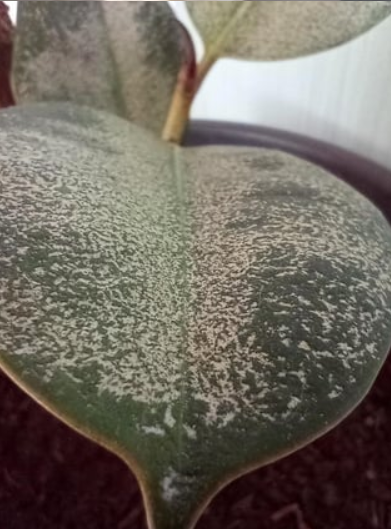
Visual Identification
The first step is noticing what the white fuzz looks like. Is it:
- Cotton-like or fluffy patches on the leaves or stems?
- Powdery or chalky coatings?
- Sticky or waxy residues that appear white and fuzzy? These visual cues help us understand whether you're dealing with mold, pests, or other issues.
Common Causes Overview
Here are the typical reasons behind white fuzz on a rubber plant:
- Fungal Infections: Such as powdery mildew or mold, which appear as white, powdery coatings on plant surfaces.
- Pest Infestations: Mealybugs or certain scale insects produce white, fuzzy waxy coverings.
- Environmental Humidity Issues: Excess moisture and poor airflow can promote mold or fungal growth. Understanding these possible causes will help you narrow down the diagnosis.
Section 2: Diagnosing the Exact Cause
Accurate diagnosis is crucial for effective treatment. Here's a step-by-step guide:
Cause 1: Fungal Infections
- Appearance: White powdery patches on the leaves or stems that can be wiped off or scraped away.
- Common fungi: Powdery mildew or mold.
- Signs: Usually spread in humid environments or areas with poor ventilation.
Cause 2: Pest Infestation
- Appearance: Small, white, fuzzy insects like mealybugs or scale insects hiding on the plant.
- Check for: Soft, cottony masses or waxy excretions on leaf joints or undersides.
- Signs: Sticky residue (honeydew) and sometimes black sooty mold growing on pests.
Cause 3: Environmental Factors
- Appearance: Uniform coating of white fuzz, often on the soil surface or around the plant base.
- Cause: Excess humidity or leaks leading to mold or fungal growth.
- Signs: Mold spots, damp soil, or persistent moisture issues.
How to tell which one it is:
- Touch and examine: Does it wipe off easily? Is it soft or powdery? Are insects visible?
- Locate the fuzz: On leaves, stems, or soil.
- Look for pests: Use a magnifying glass if needed, to spot insects or eggs.
Section 3: Treatment Solutions
Once you've identified the cause, you can proceed with targeted treatments.
Immediate Actions
- Isolate the plant: To prevent spreading to other houseplants.
- Remove visible fuzz: Gently wipe leaves and stems with a damp cloth or soft brush.
- Prune heavily affected parts: Using clean scissors or pruning shears to cut away moldy or pest-infested areas.
Long-term Treatment
- For fungal infections: Apply natural antifungal remedies like neem oil or a dilute hydrogen peroxide solution.
- For pest infestations: Use insecticidal soap or neem oil sprays, ensuring thorough coverage of all affected areas.
- Improve ventilation: Ensure good airflow around your rubber plant to reduce humidity and prevent recurrence.
Monitoring During Recovery
- Expect the white fuzz to gradually disappear with consistent treatment.
- Watch for new growth—healthy, lush leaves indicate recovery.
- Keep inspecting regularly to catch any early signs of re-infestation.
Section 4: Prevention Tips
Prevention is always better than cure. Here’s how to keep your rubber plant healthy and avoid white fuzz issues:
Care Routine Adjustments
- Water properly: Avoid overwatering; let the topsoil dry out between waterings.
- Maintain good airflow: Space plants adequately and avoid overcrowding.
- Clean leaves regularly: Wipe down leaves to remove dust and prevent fungal buildup.
Environmental Factors
- Manage humidity: Use a dehumidifier if necessary, especially in high-humidity regions.
- Ensure proper lighting: Bright, indirect sunlight helps strengthen the plant’s defenses.
- Inspect regularly: Frequent checks allow for early detection and treatment of issues.
Conclusion
Understanding and addressing white fuzz on your rubber plant involves diagnosing whether it’s caused by mold, pests, or environmental factors. By carefully examining your plant and applying targeted treatments, you can effectively eliminate the issue. Remember, a healthy, well-cared-for rubber plant will recover and continue to add beauty to your home. With attentive care, patience, and preventive routines, your rubber plant will thrive once again, brightening your indoor space with its lush greenery!
FAQ
Q: How long until I see improvement after treatment?
A: Recovery time varies depending on the severity of the issue. Typically, you should notice the white fuzz diminishing within a couple of weeks after consistent treatment and proper care. Keep monitoring your plant regularly to ensure the problem doesn’t return.
Q: Will my rubber plant fully recover from white fuzz?
A: Yes, with appropriate treatment and good environmental practices, most rubber plants can fully recover from white fuzz caused by pests or fungal infections. Healthy new growth is a positive sign of recovery.
Q: Should I prune parts affected by mold or pests?
A: Yes, pruning heavily affected areas helps remove infection sources and pests, reducing spread. Always use clean tools and discard pruned material safely to prevent contamination.
Taking care of your rubber plant and addressing issues swiftly will ensure it remains a vibrant part of your indoor environment. Don't hesitate to seek further advice if needed, and enjoy the process of nurturing your greenery!