Discover how to identify, diagnose, and treat curling leaves on your Fiddle Leaf Fig. Practical solutions and prevention tips for healthy indoor plants.
Noticing your Fiddle Leaf Fig's leaves curling can be worrying, but you're not alone.
Many indoor plant enthusiasts face this common issue, especially with Fiddle Leaf Figs, which are known for their lush, broad leaves. When you see those beautiful leaves start curling or drooping, it’s natural to feel concerned about your plant’s health.
The good news is, most causes of curling leaves are manageable with some attentive care. This article will help you understand why your Fiddle Leaf Fig's leaves are curling, how to diagnose the problem accurately, and what practical steps you can take to revive your plant. Remember, with some simple adjustments, your Fiddle Leaf Fig can bounce back and flourish again.
Section 1: Understanding the Problem
Visual identification of curling leaves
First, let’s learn to recognize curling leaves. Healthy Fiddle Leaf Figs have large, flat, vibrant green leaves that are firm to the touch. When leaves start curling, they may appear twisted, rolled inward or outward, or have edges that curl upward or downward. Sometimes, the leaves may also show signs of browning or yellowing, indicating distress.
Common causes overview
Several factors can cause curling leaves on stems, including watering issues, environmental stress, pests, or disease. Understanding the root cause is essential for effective treatment.
- Overwatering: Excess water can lead to root stress, suffocation, and ultimately, leaf curling.
- Underwatering: Lack of water causes dehydration, making leaves curl to conserve moisture.
- Low humidity or drafts: Dry indoor air or cold drafts can dehydrate leaves, leading to curling.
- Pests: Insects like spider mites or mealybugs can damage leaves, causing curling and other symptoms.
- Disease: Fungal or bacterial infections may also cause leaf distortion.
Section 2: Diagnosing the Exact Cause
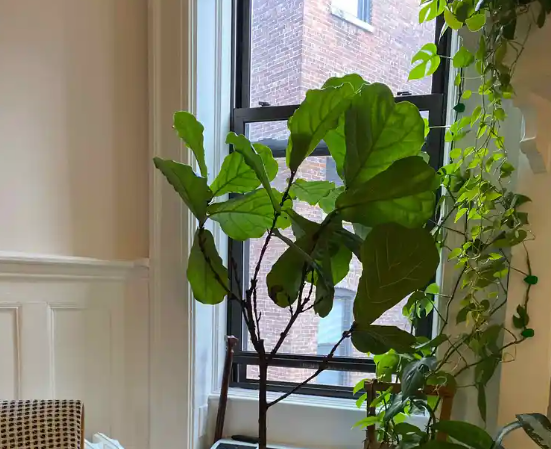
Follow a step-by-step process to pinpoint why your Fiddle Leaf Fig's leaves are curling.
Cause 1: Overwatering leading to root stress and leaf curling
If the soil feels consistently wet and the pot lacks proper drainage, your plant may be overwatered. Roots may rot or suffocate, preventing nutrients and water from reaching the leaves, which then start curling as a stress response. How to identify:
- Soil is soggy or has a foul smell.
- The potting medium remains wet for days.
- Roots are brown and mushy when checked.
Cause 2: Underwatering causing dehydration and curling
If the soil is dry and the leaves feel crispy or wilted, your plant is likely underwatered. Curling leaves are a mechanism to reduce moisture loss. How to identify:
- Soil is dry several inches down.
- Leaves appear droopy, dry, or brittle.
Cause 3: Low humidity or drafts causing leaf dehydration
Indoor environments with forced air heating, air conditioning, or near windows with cold drafts can dry out leaves, leading them to curl inward or outward. How to identify:
- Curling occurs primarily on the side facing dry air or drafts.
- The surrounding air feels dry, especially in winter.
How to tell which cause applies to your plant
Assess the soil moisture level, check for drafts, and examine the overall environment. If unsure, combine observations: soggy soil points to overwatering, dry soil indicates underwatering, and dry air suggests humidity issues.
Section 3: Treatment Solutions
Implement targeted fixes based on the diagnosed cause to help your Fiddle Leaf Fig recover.
Immediate actions:
- Adjust watering:
- If overwatered, let the soil dry out completely before watering again. Ensure your pot has drainage holes.
- If underwatered, water thoroughly until excess drains out, then allow the soil to dry slightly before next watering.
- Increase humidity:
- Use a humidifier or place a tray with water and pebbles beneath the plant to boost moisture levels.
- Regular misting can also help, but avoid overdoing it, which can lead to fungal issues.
- Relocate your plant:
- Move away from drafts, heaters, or air conditioners.
- Place your Fiddle Leaf Fig in a spot with bright, indirect light.
Long-term care:
- Establish proper watering routines:
- Water only when the top inch of soil feels dry.
- Use well-draining soil and a pot with drainage holes.
- Optimize light and environment:
- Fiddle Leaf Figs thrive in bright, indirect sunlight.
- Maintain stable temperatures and avoid sudden temperature changes.
Monitoring recovery:
- Look for signs of improvement, such as leaves uncurling, becoming more robust, and new growth emerging.
- If leaves are severely damaged or curled, pruning them can encourage healthy new growth and prevent disease.
Section 4: Prevention Tips
Keep your Fiddle Leaf Fig healthy and prevent curling leaves with these proactive strategies.
Care routine adjustments
- Proper watering:
- Use the finger test: water only when the top inch of soil feels dry.
- Avoid letting the plant sit in water.
- Fertilizing:
- Feed your plant with a balanced, water-soluble fertilizer every month during the growing season to promote strong, healthy leaves.
- Pruning:
- Remove any damaged or severely curled leaves to direct energy toward healthy growth.
Environmental factors
- Maintain ideal humidity:
- Keep humidity levels between 40-60%. Use humidifiers or pebble trays as needed.
- Avoid drafts:
- Keep your Fiddle Leaf Fig away from cold windows, vents, or doors that open frequently.
- Ensure proper lighting:
- Place your plant near a bright window with filtered sunlight or use grow lights if natural light is insufficient.
Conclusion
Recap of diagnosing causes, treatment steps, and prevention strategies to maintain a healthy Fiddle Leaf Fig.
Curling leaves on stems are often signs of environmental or care-related issues, primarily watering problems or low humidity. By carefully observing your plant, checking soil moisture, and adjusting watering and environmental conditions, you can effectively address the problem.
Remember, with attentive care, your plant can recover and thrive.
Don’t be discouraged—plants are resilient, and small changes can make a big difference. Start by assessing your plant’s current environment and water habits today.
Q: How long until I see improvement after adjusting care?
A: Typically, you can expect to see signs of recovery within a few weeks. Leaves may start to uncurl and regain their firmness as the plant stabilizes. Consistency is key.
Q: Can curling leaves fully recover, or are they permanently damaged?
A: Mild curling caused by environmental stress often recovers fully once conditions improve. Severely damaged leaves may not return to normal but can be pruned to encourage new, healthy growth.
Q: Should I prune curled or damaged leaves for better health?
A: Yes, pruning damaged or severely curled leaves helps redirect energy to new growth and reduces the risk of pests or disease. Use clean, sharp scissors and make clean cuts close to the stem.
By following these care tips and troubleshooting steps, you’ll be well on your way to nurturing a happy, healthy Fiddle Leaf Fig with vibrant, strong leaves. Happy planting!