Struggling with leaf drop on your Calathea? You're not alone. Many indoor plant enthusiasts face this issue, especially with Calatheas, which are known for their delicate nature and specific care needs. While it can be worrying to see your plant losing leaves, rest assured that it’s often a sign that something in its environment or care routine needs adjusting. With some simple troubleshooting and targeted care, you can help your Calathea recover to its lush, vibrant state.
In this article, we’ll explore why your Calathea might be dropping leaves, how to accurately diagnose the cause, and practical solutions to bring your plant back to health. Let’s get started — your green friend deserves a second chance!
🌿 Understanding the Problem
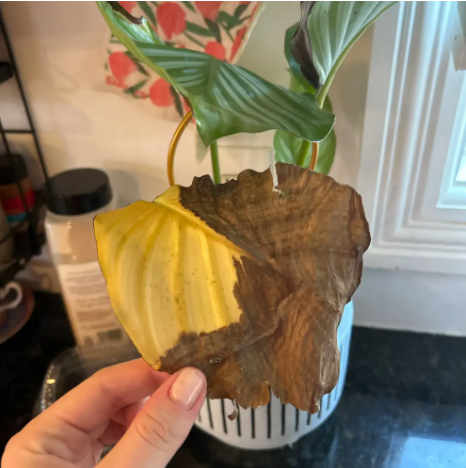
Visual Identification of Leaf Drop
Leaf drop in Calatheas can manifest as:
- Leaves turning yellow and falling off
- Entire leaves wilting and dropping prematurely
- Bare stems with few remaining lush leaves
- Curling or browning edges before they drop Sometimes, it's just a few leaves here and there, but in severe cases, it can look quite alarming. Recognizing the pattern helps identify whether your plant is simply shedding aged leaves or suffering from a more serious issue.
Common Causes Overview
Several factors can cause leaf drop in Calatheas, but the most frequent culprits include:
- Environmental stress: Sudden changes in temperature, drafts, or inadequate light
- Watering issues: Overwatering or underwatering disrupts root health
- Pests and diseases: Infestation or infections weaken the plant
- Nutritional deficiencies: Lack of essential nutrients hampers overall health
- Humidity levels: Calatheas thrive in high humidity; dry air causes stress Understanding these causes will guide your diagnosis process.
🔎 Diagnosing the Exact Cause
Step-by-step process to determine why your Calathea is losing leaves:
Cause 1: Improper watering (overwatering or underwatering)
- Symptoms: Overwatering leads to soggy soil, root rot, and leaf loss—leaves may yellow, wilt, or fall prematurely. Underwatering causes leaves to dry out, curl, and drop.
- Signs: Check soil moisture; soil should be moist but not waterlogged.
Cause 2: Inadequate humidity or environmental stress
- Symptoms: Dry, brown leaf edges, curling leaves, and sudden leaf drop. Calatheas prefer humidity levels above 60%.
- Signs: Observe your surroundings—dry air or temperature fluctuations may be to blame.
Cause 3: Pest infestations or disease
- Symptoms: Small insects like spider mites or mealybugs, sticky residue, or discolored spots.
- Signs: Inspect leaves (especially undersides) and stems carefully.
How to tell which cause it is: signs and cues to observe
- Check soil moisture: Use your finger or a moisture meter.
- Inspect leaves: Look for pests or discolored spots.
- Assess environment: Notice air drafts, temperature swings, and light levels.
- Consider recent changes: New location, repotting, or fertilizing routines. By observing these cues, you can pinpoint the root of your Calathea’s leaf drop.
🌱 Treatment Solutions
Immediate actions to stabilize your plant:
- Adjust watering: Ensure the soil is moist but not soggy. Let the top inch of soil dry out before watering again.
- Increase humidity: Use a humidifier, place the pot on a pebble tray filled with water, or mist leaves regularly.
- Inspect for pests: Use neem oil or insecticidal soap if pests appear.
- Relocate your plant: Avoid drafts, direct sunlight, or sudden temperature changes.
Long-term care plan:
- Establish proper watering routines: Water consistently when the top inch of soil feels dry.
- Maintain optimal humidity: Consistently keep humidity above 60%, especially in winter.
- Fertilize judiciously: Use a balanced, diluted indoor plant fertilizer during the growing season—spring to early fall.
- Ensure proper lighting: Bright, indirect light is ideal; avoid direct sunlight that can scorch leaves.
What to expect during recovery:
Resuming proper care may take a few weeks. You should gradually see new leaf growth, and eventually, your Calathea's vibrant foliage will return. Patience and consistent care are key.
🛡️ Prevention Tips
To keep your Calathea thriving and prevent future leaf drop issues, consider these tips:
Consistent watering schedule and proper soil choices
- Use well-draining, organic potting mix tailored for tropical plants.
- Water when the top inch of soil feels dry.
Monitoring environmental factors
- Place your Calathea in bright, indirect light.
- Keep kitchen or bathroom humidity levels high; consider a small humidifier.
Regular inspection for pests and diseases
- Check leaves weekly for pests or spots.
- Remove any affected leaves promptly.
Use humidifiers or misting routines
- Misting leaves daily or investing in a humidifier can significantly benefit sensitivity.
🎉 Summing Up
By understanding the causes, diagnosing accurately, and applying targeted care, you can help your Calathea recover from leaf drop. Remember, most issues are manageable with proper adjustments—patience is your best friend here. Don’t be discouraged if your plant appears stressed. With consistent effort, you’ll see new, healthy leaves emerge, and your Calathea will once again become a stunning centerpiece of your indoor garden. Start today by evaluating your plant’s environment and care routine, make the necessary adjustments, and watch your Calathea bounce back with vibrant foliage!
📚 Frequently Asked Questions (FAQs)
Q: How long until I see improvement after fixing watering or humidity?
A: Typically, you can expect to see signs of recovery within 2-4 weeks. New leaf growth often starts within this period if care adjustments are consistent. Patience is essential, especially after periods of stress.
Q: Can my Calathea fully recover from severe leaf drop?
A: Yes. While some leaves may not regrow, your plant can bounce back with proper care. Focus on improving its environment—watering, humidity, and light—so that new, healthy leaves develop over time.
Q: Should I prune damaged or fallen leaves to help my plant?
A: Definitely. Removing dead or severely damaged leaves improves airflow and reduces disease risk. Use clean, sharp scissors to prune close to the stem, which can also encourage healthy new growth.
Your Calathea’s health is in your hands. With attentive care, you can turn the leaf drop into a thing of the past and enjoy a lush, vibrant plant once again!