Learn how to identify, diagnose, and treat ZZ plant root rot on bottom leaves with practical tips to restore your plant's health and prevent future issues.
Introduction
Noticing your ZZ plant's bottom leaves turning yellow or mushy can be worrying, especially if you're invested in keeping your indoor greenery healthy. Rest assured, you're not alone—many plant enthusiasts encounter root rot issues, and with the right knowledge, you can turn things around. This article will help you understand why root rot occurs in ZZ plants, how to diagnose it accurately, and what effective treatment and prevention strategies you can adopt. With patience and proper care, your ZZ plant can recover and continue to brighten your space.
Section 1: Understanding the Problem
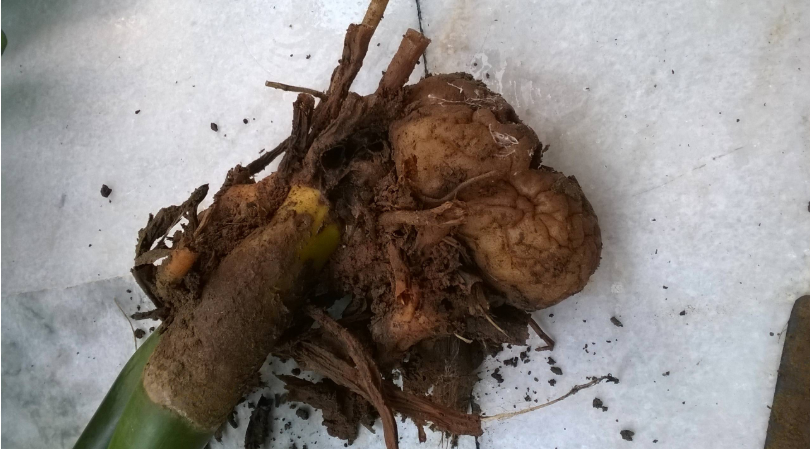
Visual Identification of Root Rot Symptoms
The first step in caring for a struggling ZZ plant is recognizing the signs of root rot, particularly on the bottom leaves. Common symptoms include:
- Yellowing leaves at the bottom of the plant that appear soft or mushy when touched.
- Leaves turning brown or translucent, often accompanied by wilting.
- Mushy or rotting stems near the soil line.
- Unpleasant smell emanating from the soil, indicating decay. If your plant's lower leaves feel soft, look waterlogged, or have a foul odor, these are strong clues that root rot might be setting in.
Common Causes Overview
Root rot in ZZ plants generally results from overwatering, poor soil drainage, or unsuitable potting conditions. The plant's roots require well-draining soil to prevent excess moisture from lingering around them. When roots are constantly soaked, they begin to decay, which ultimately affects the leaves, especially the bottom ones. Other contributing factors include:
- Inadequate pot drainage that traps water.
- Soil that retains too much moisture or contains contaminated organic matter.
- Environmental conditions such as low light and high humidity, which can slow evaporation. Understanding these causes helps you take targeted steps to prevent or address root rot effectively.
Section 2: Diagnosing the Exact Cause
Step-by-Step Process to Pinpoint the Issue
Accurate diagnosis is crucial for effective treatment. Follow these steps:
Cause 1: Overwatering and Excess Moisture
- Check your watering schedule: Are you watering your ZZ plant frequently, or when the top inch of soil feels wet?
- Observe soil moisture: Use your finger or a moisture meter to assess soil dampness.
- Signs: Consistently soggy soil, slow drying period, and bottom leaf symptoms.
Cause 2: Poor Soil Drainage or Contaminated Soil
- Examine the soil texture: Does it feel compacted or retain water excessively?
- Consider soil composition: Heavy clay soils or organic-rich mixes can hinder drainage.
- Signs: Persistent moisture, foul smell, and root decay.
Cause 3: Root Damage or Pests
- Gently remove the plant from its pot to inspect roots:
- Healthy roots: White or light tan, firm.
- Affected roots: Brown, black, soft, or slimy.
- Look for pests like root mealybugs or nematodes that can weaken roots.
How to Tell Which Cause Applies
- If the soil is overly wet and roots are rotting, overwatering is likely the main issue.
- If roots appear healthy but bottom leaves are yellowing, environmental factors or pests might be involved.
- Consider recent changes to watering routines, potting soil, or environment to identify the root cause.
Section 3: Treatment Solutions
Immediate Actions
-
Remove Affected Soil and Repot in Fresh, Well-Draining Soil
-
Gently extract the plant from its pot.
- Remove all visibly rotted roots with sterilized scissors.
- Repot in a new pot with a well-draining cactus or succulent mix, or amend regular soil with sand or perlite.
-
Trim Damaged Leaves and Roots
-
Cut off mushy or yellowed leaves at the base.
- Remove any blackened or rotten roots.
-
Allow the Plant to Dry Out
-
Let the plant sit in a warm, dry place for a day or two before watering again.
Long-term Treatment
- Adjust Watering Habits: Water only when the top inch of soil is dry.
- Improve Soil Drainage: Use containers with drainage holes and amend soil with sand, perlite, or pumice.
- Monitor Environmental Conditions: Ensure your ZZ plant gets bright, indirect light, and avoid high humidity.
Signs of Recovery
- New healthy leaves emerging.
- Bottom leaves gradually regaining firmness and color.
- Roots showing signs of new growth when repotted.
Section 4: Prevention Tips
Care Routine Adjustments
- Follow a consistent watering schedule: Typically, watering every 2-3 weeks depending on humidity and temperature.
- Avoid overwatering: Always check soil moisture before watering.
- Use proper containers: Pots with drainage holes facilitate excess water escape.
Environmental Factors
- Provide adequate light: ZZ plants thrive in bright, indirect light but can tolerate lower light levels.
- Ensure soil health: Regularly refresh soil or repot every 2-3 years.
- Maintain good airflow: Helps prevent fungal growth and soil stagnation. By integrating these practices, you can significantly reduce the risk of root rot and keep your ZZ plant healthy and vibrant.
Conclusion
Recap
- Recognize the symptoms of ZZ plant root rot, especially on bottom leaves—yellowing, mushiness, and foul smell.
- Diagnose whether overwatering, poor soil drainage, or root damage is the cause.
- Take targeted treatment actions: repot in well-draining soil, prune affected parts, and adjust watering routines.
- Prevent future issues by maintaining proper watering habits, ensuring good soil and container drainage, and providing optimal environmental conditions.
Encouragement
Remember, even if your ZZ plant shows signs of root rot, it's often recoverable with timely intervention and careful care. Patience is key—your plant can bounce back and continue to bring beauty into your home.
Next Steps
Start by inspecting your plant thoroughly, then adjust your watering and soil practices accordingly. If needed, consider repotting to provide a healthier environment. Your attentive care will help your ZZ plant regain its strength and vitality.
FAQ
Q: How long until I see improvement after treatment?
A: Typically, you can expect to see signs of recovery within a few weeks—new growth, healthier leaves, and improved root health. Keep monitoring your plant and maintain proper care routines for the best results.
Q: Can my ZZ plant fully recover from root rot?
A: Yes, with prompt and proper treatment, many ZZ plants recover fully from root rot. However, severe damage to the roots or prolonged neglect can limit recovery. Regular care and early intervention are crucial.
Q: Should I prune all affected leaves and roots during treatment?
A: Yes. Remove all mushy, yellow, or blackened leaves and any rotted roots to prevent the spread of decay. Use sterilized scissors to avoid introducing infections, and be gentle to minimize stress to the plant.
With understanding, patience, and the right care, your ZZ plant can overcome root rot and continue to thrive as a lush, beautiful addition to your indoor space. Happy gardening!