Discover why your ZZ Plant is losing leaves and how to fix the issue with simple, effective care tips and prevention strategies for healthy, vibrant growth.
Introduction
Noticing your ZZ Plant's leaves falling off can be quite alarming, especially if you've just started caring for this popular houseplant. But don’t worry—leaf drop is a common issue with straightforward causes and solutions. As a friendly guide, I want to reassure you that with some attentive care, your ZZ Plant can recover and continue to brighten your space with its glossy, resilient foliage. This article will help you understand why leaf drop happens, how to diagnose the specific cause, and what actionable steps you can take to revive your plant. Let’s get started on ensuring your ZZ Plant remains a healthy, thriving part of your indoor garden!
Section 1: Understanding the Problem
Visual Identification of Leaf Drop in ZZ Plants
ZZ Plants (Zamioculcas zamiifolia) are known for their waxy, vibrant green leaves that grow in a sturdy, upright manner. When healthy, they have lush foliage, but if their leaves start falling off unexpectedly, it indicates stress or other underlying problems. Signs of leaf drop include:
- Sudden or gradual shedding of leaves, especially older or lower leaves
- Yellowing or browning leaf tips before dropping
- Soft, limp leaves that detach easily Understanding what normal leaf shedding looks like versus problematic leaf drop is essential. ZZ Plants naturally shed old lower leaves when new growth appears, but excessive or unexpected leaf loss warrants attention.
Common Causes Overview
Several environmental and care-related issues can cause leaf drop, including:
- Overwatering, leading to root rot
- Underwatering, resulting in dehydration
- Poor or excessive light exposure
- Temperature stress or drafts
- Pest infestations Identifying which of these might be affecting your plant is the first step toward helping it recover.
Section 2: Diagnosing the Exact Cause
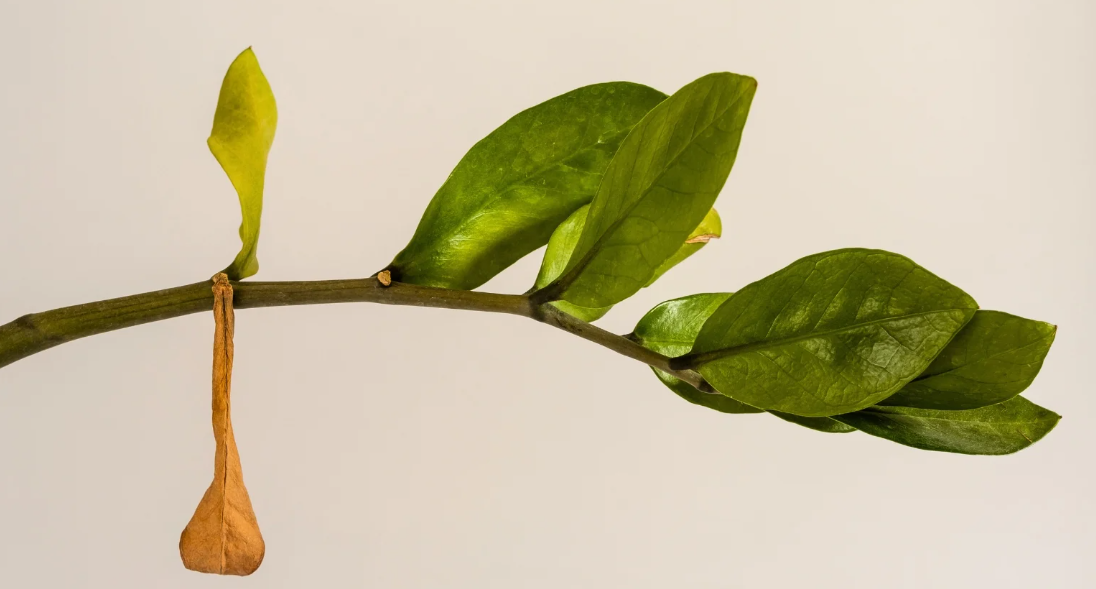
Step-by-Step Guide to Determine Why Your ZZ Plant Is Losing Leaves
Cause 1: Overwatering — Soft, Yellowing Leaves, Root Rot Risk
Overwatering is one of the most common reasons for leaf drop. Excess water can lead to root rot, depriving roots of oxygen and causing leaves to yellow and drop. Indicators include:
- Mushy, brown roots when you inspect the soil
- Yellowing lower leaves that eventually fall off
- Waterlogged soil that remains wet for too long How to check: Gently remove the plant from its pot and examine the roots.
Cause 2: Underwatering — Wilting, Dry, Crispy Leaves
Conversely, underwatering causes dehydration. The plant will conserve water by shedding leaves. Indicators include:
- Dry, brittle, and crispy leaves
- Wilting or drooping foliage
- Soil that feels extremely dry several inches down How to check: Touch the soil; if it’s bone dry several inches beneath the surface, underwatering is likely.
Cause 3: Inadequate Light or Temperature Stress — Leaf Shedding Due to Environmental Changes
ZZ Plants thrive in bright, indirect light but can adapt to lower light. Sudden changes in light exposure or temperature fluctuations can stress the plant. Indicators include:
- Leaf drop after moving the plant to a different location
- Leaves turning yellow or brown due to sunburn or cold stress
- Drafts or proximity to heating/cooling vents How to tell: Consider recent changes in your home's environment.
Differentiating Factors: How to Tell Which Cause Applies to Your Plant
- Look at the soil moisture: Wet soil suggests overwatering; dry soil suggests underwatering.
- Inspect the roots: Rot indicates overwatering; healthy and dry roots suggest underwatering.
- Observe environmental history: Recent relocations or changes in light or temperature could be factors.
Section 3: Treatment Solutions
Immediate Actions
Adjust Watering Routine
- Overwatering: Allow the soil to dry out completely before watering again. Ensure your pot has proper drainage to prevent water from sitting.
- Underwatering: Water your ZZ Plant thoroughly, then let excess water drain away. Establish a regular watering schedule—typically every 2-3 weeks, depending on humidity and environment.
Check Drainage and Soil
Use a well-draining soil mix designed for succulents or cacti to prevent water retention. If your current soil retains too much moisture, consider repotting with fresh, sandy, or loamy soil.
Move to Optimal Light
Place your ZZ Plant in bright, indirect sunlight. If it’s in a low-light spot, consider relocating it closer to a window or providing filtered light.
Long-term Care Plan
- Establish a consistent watering schedule: Always check soil moisture before watering.
- Improve soil and pot drainage: Use pots with drainage holes and well-draining soil.
- Monitor environmental conditions: Keep temperatures stable (around 65-75°F) and avoid drafts or sudden temperature swings.
Recovery Expectations
With proper care, you can expect to see signs of improvement within a few weeks. New leaves may sprout, and existing ones will regain their vigor. Patience is key—resilience is one of the ZZ Plant’s strengths!
Section 4: Prevention Tips
Care Routine Adjustments
- Maintain regular watering, ensuring the top inch of soil dries out between waterings.
- Fertilize lightly during the growing season (spring and summer) to support healthy foliage.
- Prune dead or damaged leaves to encourage new growth and prevent pest issues.
Environmental Monitoring
- Keep your plant in consistent lighting—bright, indirect light is ideal.
- Avoid exposing it to cold drafts or direct hot sun.
- Maintain humidity levels that are comfortable but not overly damp. By establishing a stable environment and routine, you can greatly reduce the chances of leaf drop reoccurring.
Conclusion
Recap of Key Steps
- Diagnose the cause: Check watering habits, inspect roots, evaluate lighting, and consider recent changes.
- Treat accordingly: Adjust watering, improve soil drainage, optimize light, and stabilize environmental conditions.
- Prevent future issues: Establish consistent care routines and monitor environmental factors.
Encouragement
Rest assured, your ZZ Plant is remarkably resilient. With attentive care and patience, it can recover from leaf drop and thrive once again, adding lush greenery to your home.
Next Steps
Implement the care tips outlined here today, keep an eye on your plant’s progress, and enjoy the process of nurturing your green companion back to health. Your efforts will soon pay off in vibrant, healthy foliage!
FAQ
Q: How long until I see improvement after adjusting watering?
A: Typically, you may start noticing positive changes within 2-4 weeks. New growth indicates recovery, and existing leaves will regain their vitality over time.
Q: Can my ZZ Plant fully recover from leaf drop?
A: Yes, if the underlying cause is addressed promptly. New growth will often replace fallen leaves, and with proper care, your plant can return to its lush, healthy state.
Q: Should I prune the fallen or damaged leaves?
A: Yes. Removing dead or damaged leaves encourages healthy new growth, reduces the risk of pests, and improves the plant’s appearance. Use clean, sharp scissors or pruning shears.
Remember, caring for plants is a journey filled with learning and rewarding moments. Keep your ZZ Plant in a stable environment, follow best watering practices, and it will thank you with its resilient, glossy foliage!