Struggling with Pothos leaf drop? You're not alone—many indoor plant enthusiasts face this common issue. A sudden shedding of leaves can be worrying, especially if you’re unsure what's causing it. But don’t fret! With a bit of understanding and some targeted actions, you can help your Pothos recover beautifully. This guide will walk you through identifying why your Pothos is losing leaves, diagnosing the root cause, and implementing simple, effective fixes. By the end, you'll feel confident in caring for your beloved plant and preventing future leaf drop.
Understanding the Problem
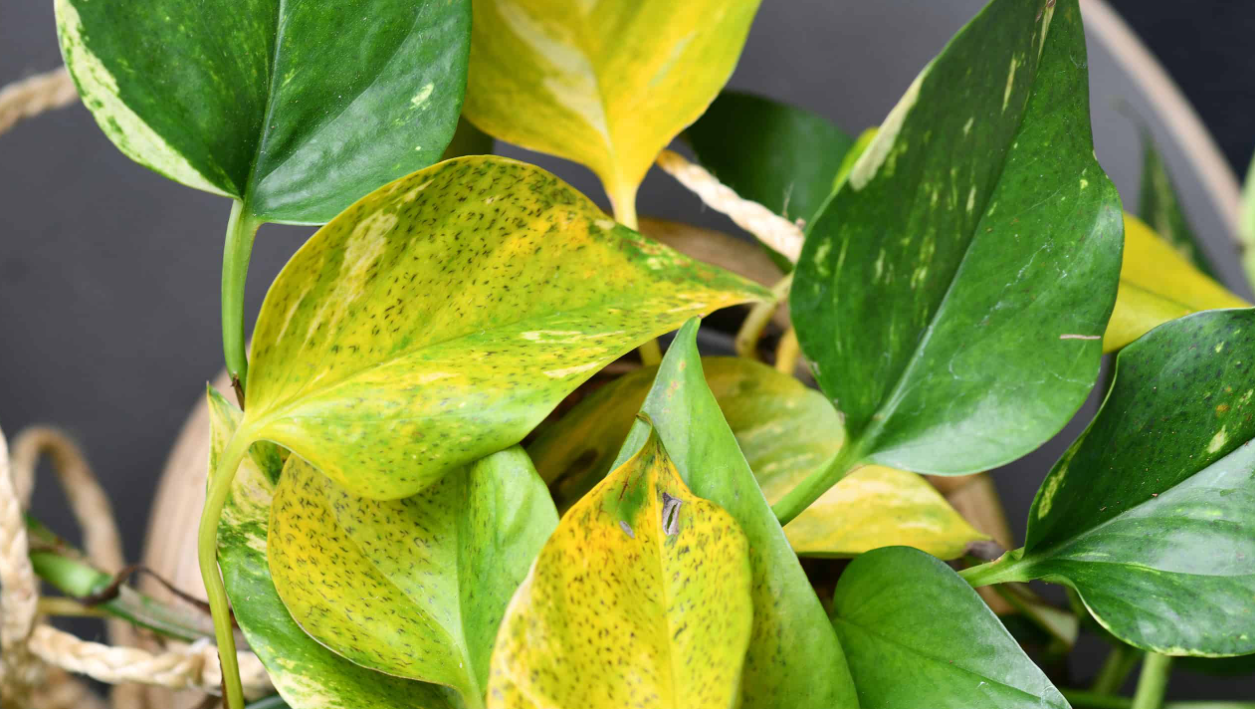
Visual Identification: How to Recognize Leaf Drop vs. Other Symptoms
First, observe your plant closely. Pothos typically shed older leaves naturally, but sudden, excessive leaf drop or changes in leaf appearance might signal an underlying problem. Check for:
- Falling leaves from the vine: if they appear brown, yellow, or crispy before falling, this could be normal or a symptom of stress.
- Sudden, widespread leaf loss: especially if healthy-looking leaves drop unexpectedly, indicating a possible issue.
- Leaf yellowing and wilting: these may precede leaf drop and signal watering or environmental problems.
Common Causes Overview: Overwatering, Underwatering, Drafts, Low Humidity, and Root Stress
Several factors can trigger leaf drop, including:
- Overwatering: Causes root rot and oxygen deprivation.
- Underwatering: Leads to dehydration, causing leaves to wilt and shed.
- Drafts and temperature fluctuations: Stress the plant and make leaves drop.
- Low humidity: Causes leaf edges to brown and fall.
- Root stress or shock: From repotting or moving the plant. Understanding these causes helps guide your diagnostic process.
Diagnosing the Exact Cause
Step 1: Examine Watering Patterns
- Overwatering: Check the soil for excess moisture and smell; roots may appear brown or mushy.
- Underwatering: Soil feels dry and crumbly; leaves may look wilted or crispy.
Step 2: Assess Environmental Conditions
- Is your plant near a drafty window or air conditioning vent?
- Is the humidity floor below 40%? Indoor heating and air conditioning can dry out the air.
- Observe if the plant receives consistent, bright indirect light.
Step 3: Practical Tips for Determining the Cause
- Gently tug on the plant; loose or rotten roots indicate overwatering stress.
- Feel the soil moisture; sticking your finger about an inch into the soil helps.
- Check for drafts or sudden temperature drops.
-
Evaluate if recent repotting or placement changes preceded leaf drop. Cause-Specific Indicators:
-
Overwatering: Mushy roots, persistent moisture.
- Underwatering: Dry, flaky soil, leaves very wilted.
- Low humidity: Brown leaf tips, dry edges.
- Drafts: Sudden leaf wilt near AC or open windows.
Treatment Solutions
Immediate Actions to Take
- Adjust Watering: Allow the soil to dry out if overwatered; water thoroughly only when completely dry.
- Relocate the Plant: Move away from drafts, direct sunlight, or heating vents.
- Increase Humidity: Use a humidifier, place the pot on a tray with pebbles and water, or mist the plant regularly.
Long-term Treatment Plan
- Establish a Proper Watering Routine: Water once the top inch of soil feels dry; avoid letting the plant sit in water.
- Improve Soil Drainage: Use well-draining soil mix—succulent or aroids mix works well.
- Create Consistent Environment: Keep the plant in a stable temperature and humidity zone, ideally between 65-80°F with humidity around 50-60%.
What to Expect During Recovery
- You might notice a temporary increase in leaf shedding, but new growth will follow.
- Be patient—healthy leaves will eventually replace the dropped ones.
- Regular care and environmental stabilization are keys to revitalization.
Prevention Tips
Care Routine Adjustments
- Consistent Watering: Stick to a schedule based on your plant's needs.
- Fertilize Monthly: During growing season with a balanced, diluted fertilizer.
- Prune Dead or Damaged Leaves: This encourages healthy growth and prevents disease.
Environmental Factors to Monitor
- Light: Provide bright, indirect sunlight.
- Temperature: Keep consistent, avoiding drafts or sudden temperature drops.
- Humidity: Maintain moderate humidity levels to prevent leaf tips from browning.
- Avoid Drafts: Keep your Pothos away from windows or vents that cause temperature fluctuations.
Conclusion
Remember, understanding the cause of your Pothos's leaf drop is essential to applying targeted remedies. Often, a few simple adjustments—watering properly, safeguarding against drafts, and maintaining adequate humidity—can make a significant difference. Regular care, patience, and environmental tuning will help your plant thrive and regain its lush, vibrant foliage. With some attention and love, your Pothos will bounce back from leaf drop and continue to bring beauty into your home.
Next Steps
- Review your plant's environment and care routine.
- Implement the suggested fixes based on diagnosed causes.
- Monitor your plant regularly for signs of health or distress. Your commitment to attentive care will reward you with a healthy, thriving Pothos!
FAQ
Q: How long until I see improvement after adjusting watering?
A: Typically, you can expect to see signs of recovery within a few weeks. Leaves that have dropped won't return, but new growth will emerge as the plant regains balance. Consistency is key; avoid overwatering or underwatering during this period.
Q: Can my Pothos fully recover from leaf drop?
A: Yes, most Pothos plants can recover fully if the primary cause of leaf drop has been addressed. It may take time for new, healthy leaves to grow, but with proper care, your plant will bounce back.
Q: Should I prune the fallen leaves or damaged stems?
A: Yes, removing dead or damaged leaves and stems helps prevent disease and encourages new healthy growth. Use clean scissors or pruning shears to make neat cuts, cutting just above a node if necessary.
Your green thumb is just a few adjustments away from revitalizing your Pothos! Keep these tips in mind, stay attentive to your plant’s needs, and enjoy the rewarding journey of indoor gardening.