Discover why your Monstera Deliciosa leaves turn transparent and how to fix and prevent this issue with practical, reassuring advice.
Introduction
Noticing your Monstera's leaves are turning transparent can be worrying, especially if you're new to caring for this beautiful plant. It’s natural to feel concerned when parts of your beloved plant seem to lose their usual vibrant green. But don't fret—this is a common issue with clear solutions. With some simple adjustments and attentive care, your Monstera can recover and thrive again. This article will help you identify why your Monstera Deliciosa leaves are turning transparent, diagnose the root causes, and provide practical treatment and prevention tips. Whether it’s overwatering, too much sun, or nutritional deficiencies, understanding these factors can help you bring your plant back to health.
Section 1: Understanding the Problem
Visual Identification of Translucent or Soft Leaves
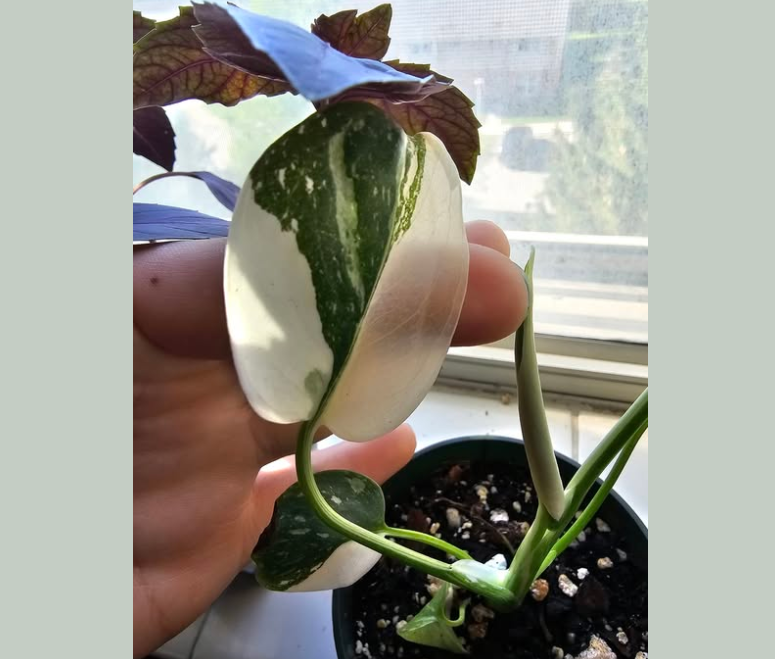
First, recognize what translucent or soft leaves look like. Typically, a healthy Monstera leaf is firm, vibrant green, and opaque. When leaves turn transparent, they often appear as patches or entire leaves that look glassy, thin, and sometimes wilted or soft to the touch. You might notice parts of the leaf becoming see-through, especially along the edges or in the middle.
Common Causes Overview
Several factors can cause Monstera leaves to become translucent or drop, including:
- Watering issues: Overwatering can lead to cell damage, causing leaves to become soft and transparent.
- Light stress: Excessively direct sunlight burns the leaves, resulting in translucency or sunburn patches.
- Nutritional deficiencies: Imbalanced or insufficient nutrients weaken leaf tissue.
- Root problems: Poor drainage, root rot, or compacted soil impair nutrient uptake, affecting leaf health. Understanding these causes helps you target your care adjustments effectively.
Section 2: Diagnosing the Exact Cause
Determining the precise reason behind your Monstera’s leaf transparency involves a careful inspection and process of elimination.
Cause 1: Overwatering Leading to Cell Damage and Leaf Translucency
Overwatering is one of the most common culprits. Excess water can suffocate roots, leading to root rot, and damage leaf cells, causing them to become soft and translucent. Check the soil—if it’s constantly wet or soggy, overwatering is likely.
Cause 2: Excessive Direct Sunlight Causing Leaf Burn and Translucency
Monsteras thrive in bright, indirect light. If placed in direct sunlight, especially during peak hours, leaves can burn, resulting in translucent, scorched patches. Look for brown edges or patches that look like they’re burning through the leaf.
Cause 3: Nutritional Deficiencies or Imbalanced Fertilization
A lack of essential nutrients like nitrogen, magnesium, or iron can weaken leaf tissue, making it more transparent and prone to damage. If your plant hasn't been fertilized regularly or has been over-fertilized, deficiencies or salt buildup might occur.
How to Tell Which Cause Applies to Your Plant
- Check soil moisture: Use your finger or a moisture meter. Wet soil suggests overwatering.
- Inspect the leaves: Look for sunburn signs—brown, scorched patches.
- Review fertilization habits: Consider recent fertilization routines and overall plant nutrition.
- Examine roots: Gently remove the plant from its pot to inspect roots for rot or compacted soil.
Section 3: Treatment Solutions
Once you've identified the cause, you can implement targeted remedies to help your Monstera recover.
Immediate Actions
- Overwatering: Allow the soil to dry out. Remove any standing water, and if necessary, repot using well-draining soil and a pot with drainage holes.
- Excessive sunlight: Move your Monstera to a spot with bright, indirect light—avoiding direct sun rays that cause burns.
- Nutritional deficiencies: Apply a balanced, water-soluble fertilizer according to package instructions. For deficiencies, consider supplements like magnesium or iron.
Long-term Care Plan
- Watering schedule: Water only when the top inch of soil feels dry. Ensure excess water can drain freely.
- Lighting: Provide filtered or indirect sunlight, such as near a north-facing window or with sheer curtains.
- Fertilization: Feed your Monstera every 4-6 weeks during the growing season with a balanced fertilizer.
- Proper potting: Use a pot with drainage holes and well-aerated soil to prevent root issues.
Monitoring Recovery
Watch for signs of improvement—healthy, firm, dark green leaves—and new growth. Prune away any severely damaged or dead leaves to encourage healthy development.
Section 4: Prevention Tips
Prevention is always better than cure. Here are some essential tips to keep your Monstera healthy and prevent leaf translucency:
Adjust Watering Routines and Ensure Proper Drainage
- Water only when the topsoil dries out.
- Use pots with drainage holes.
- Avoid letting the plant sit in water.
Provide Suitable Light—Indirect Bright Light
- Place your Monstera near a window with filtered light.
- Avoid direct sun during the hottest part of the day.
- Use sheer curtains or move the plant if necessary.
Maintain Balanced Nutrition and Avoid Over-fertilization
- Fertilize regularly during the growing season.
- Never overdo it—follow recommended dosages.
- Flush the soil with water periodically to remove salt buildup.
Regular Inspection for Early Signs of Stress
- Check leaves for early discoloration or translucent patches.
- Adjust care immediately if you notice any issues.
- Keep an eye on soil moisture and light exposure.
Conclusion
In summary, Monstera Deliciosa leaf drop turning transparent usually stems from overwatering, excessive sunlight, nutritional deficiencies, or root problems. By carefully diagnosing the cause and applying targeted fixes, you can help your plant recover. Remember, healthy plants require attentive, consistent care—monitor your Monstera regularly, adjust its environment as needed, and it will thank you with lush, vibrant foliage. With some patience and proper care, your Monstera can bounce back stronger than ever. Keep observing, learning, and nurturing your green companion!
FAQ
Q: How long until I see improvement after fixing watering or light issues?
A: Typically, you can expect to see signs of recovery within a few weeks. New healthy leaves may start to emerge, and existing damaged leaves may gradually improve if the underlying cause is addressed promptly.
Q: Can my Monstera fully recover from translucent leaves?
A: Yes, if the damage isn’t too severe and the root causes are corrected early, your Monstera can regain its healthy appearance. Severely damaged leaves may not recover and should be pruned to encourage new growth.
Q: Should I prune the affected leaves or wait for new growth?
A: It’s best to prune completely dead or severely damaged leaves to prevent disease and encourage the plant to direct energy toward healthy growth. Wait for new leaves to develop before making further pruning decisions.
Remember: Your Monstera Deliciosa is resilient and with attentive care, it can bounce back from leaf translucency issues. Keep nurturing your plant, and enjoy the lush, vibrant foliage that makes indoor gardening so rewarding!