Are you noticing a suspicious white fuzz on your beloved ZZ plant? Don't worry — you're not alone, and the good news is that this common issue can be effectively diagnosed and treated. Whether it's a cottony mold, pest residue, or a fungal growth, understanding the root cause is the key to keeping your ZZ plant healthy and thriving. In this comprehensive guide, we'll walk through how to identify the white fuzz problem, diagnose its cause, apply targeted treatments, and adopt habits that prevent future occurrences. With patience and proper care, your ZZ plant can bounce back beautifully. Let’s dive in!
Section 1: Understanding the Problem
What Does White Fuzz on a ZZ Plant Look Like?
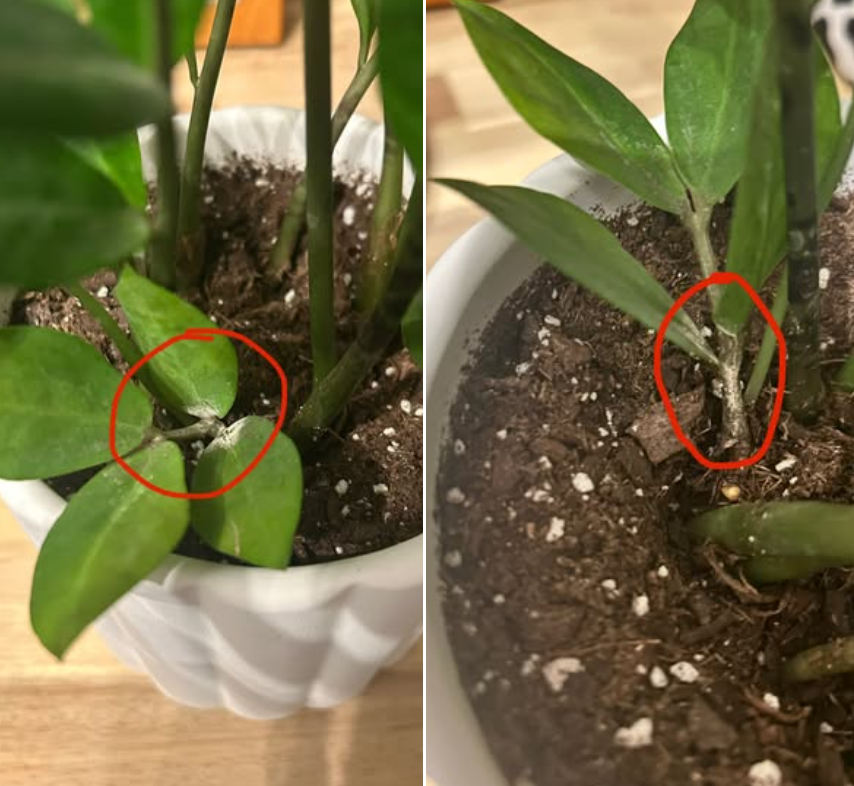
The appearance of white fuzz on your ZZ plant can vary, but generally, it looks like:
- Fuzzy, cotton-like patches on leaf surfaces or stems
- Whitish mold or powdery coating that seems soft and moldy
- Small, white residues that might resemble pest excretions or growths Seeing these signs might be unsettling, but the first step is to correctly identify what you're dealing with.
Common Causes Overview
The white fuzz could be caused by:
- Fungal infections, such as powdery mildew or mold that thrives in high humidity
- Pest residues, especially from pests like mealybugs or scale insects that leave white, cottony excretions
- Mold resulting from overwatering or excessive humidity, creating a damp environment suitable for mold growth Understanding the specific cause will guide you to the most effective solution.
Section 2: Diagnosing the Exact Cause
Identifying the root of the white fuzz involves a careful examination of your plant and growing conditions. Follow these steps:
Cause 1: Fungal Infection (Powdery Mold or Mildew)
- Look for a white, powdery layer that can be easily wiped off
- Typically appears on the leaves and stems, especially in humid environments
- Spread is often rapid in poorly ventilated spaces
Cause 2: Pest Infestation (Mealybugs, Scale Insects)
- Check for small, soft, cotton-like clusters mainly around leaf joints or undersides
- These pests leave behind white, cottony residue as they feed
- You might notice sticky honeydew or ants drawn to the plant
Cause 3: Mold from Excessive Humidity or Overwatering
- Observe if the plant's potting medium is consistently damp
- Mold may appear on the soil surface or at the base of the plant
- Excess moisture creates perfect conditions for mold spores to flourish
How to Tell Which Cause Applies to Your Plant
Conduct a close inspection:
- Wipe a small patch of the white fuzz with a damp cloth. If it comes off easily and looks like powder, it might be powdery mildew.
- Dislodge the fuzz gently with a toothpick or brush. If cottony clusters or pests emerge, you're likely dealing with pests.
- Check the soil moisture. If the soil feels overly wet, mold growth from overwatering is probable.
Section 3: Treatment Solutions
Once you've determined the specific cause, you can proceed with targeted treatments. Here’s a guide for natural and chemical remedies.
Immediate Actions: Cleaning and Removal
- Remove affected leaves or stems carefully to reduce spread
- Use a soft cloth or brush to gently scrub off surface mold or pest residues
- Discard heavily infested plant parts to prevent reinforcement of the problem
Natural Remedies
- Neem Oil Solution: Mix 1 teaspoon of neem oil with a liter of water and a few drops of dish soap. Spray on the affected areas to repel pests and fungal growth.
- Insecticidal Soap: Commercially available, safe for indoor plants, and effective against soft-bodied pests like mealybugs.
- Low-impact Fungicides: Use natural fungicides like potassium bicarbonate solutions to treat powdery mildew.
Chemical Solutions (Use with Caution)
- Fungicides: Select a fungicide labeled for indoor plants if fungal infection persists. Follow the manufacturer’s instructions carefully.
- Insecticides: If pests are evident and natural remedies fail, a mild insecticide application may be necessary. Always ensure safety for indoor environments.
Long-term Care: Supporting Recovery
- Adjust watering habits: Water only when the top inch of soil feels dry.
- Improve air circulation: Use fans or ensure good ventilation.
- Maintain optimal humidity: Avoid excessive moisture buildup; use a dehumidifier if necessary.
- Be patient: New healthy growth will appear as the plant recovers.
What to Expect During Recovery
- The white fuzz should gradually diminish
- New, healthy leaves will emerge
- Regular care will bolster the plant’s resilience against future issues
Section 4: Prevention Tips
Prevention is always better than cure. Here's how to keep your ZZ plant white-fuzz-free in the future:
Care Routine Adjustments
- Water moderately: ZZ plants prefer dry periods between watering — too much moisture invites mold and pests.
- Control humidity: Keep indoor humidity levels manageable with ventilation or dehumidifiers.
Environmental Factors
- Ensure proper airflow: Avoid overcrowded plant arrangements that trap moisture.
- Proper lighting: Bright, indirect light helps prevent fungal growth by reducing humidity.
Regular Inspections and Quarantine
- Inspect new plants before integrating them into your collection
- Quarantine new arrivals for a few weeks to check for pests or mold
- Routine checks and prompt action help catch problems early
Conclusion
Recap of Key Points
- Carefully identify the white fuzz—fungus, pests, or mold
- Diagnose accurately by examining the appearance, location, and plant conditions
- Apply targeted treatments using natural options like neem oil and insecticidal soap or chemical solutions if necessary
- Adjust care routines to promote healthy growth and prevent future issues
Encouragement
Remember, your ZZ plant can recover from white fuzz with attentive care and proper treatment. It’s a common challenge for indoor plant enthusiasts, but it’s also an opportunity to learn more about your plant’s needs and improve your care practices.
Next Steps
Start by diagnosing your plant today, implement the appropriate treatment, and adopt preventive habits to ensure your ZZ plant remains vibrant and healthy. A bit of effort now will cultivate a lush, thriving indoor garden for years to come!
FAQ
Q: How long until I see improvement after treatment?
A: The timeline varies depending on the infection or pest severity. Generally, you can expect to see signs of recovery within one to two weeks with consistent care. New, healthy growth indicates progress, and continued routine maintenance will enhance recovery.
Q: Will my ZZ plant fully recover from white fuzz?
A: Yes, with proper diagnosis and treatment, most ZZ plants can fully recover from white fuzz issues. Patience and attentive care are key—regular inspections and good cultural practices prevent recurrences.
Q: Should I prune heavily affected parts or leave them for natural healing?
A: If parts are heavily infested or moldy, it's best to prune them back to healthy growth. Removing affected sections helps prevent the spread and supports faster recovery. Always disinfect pruning tools afterward to avoid transmitting pathogens.
Your ZZ plant’s health depends on your attentive care and prompt action. Keep observing, diagnosing accurately, and nurturing your indoor garden — a lush, thriving ZZ plant is well within your reach!