Noticing your Peace Lily's leaves are dropping can be worrying, but you're not alone — this is a common issue with straightforward solutions. Many indoor plant enthusiasts, especially beginners, encounter leaf drop at some point. Whether the leaves are wilting, yellowing, or simply falling off, understanding the root causes and how to fix them can help your plant recover quickly. This article will guide you through understanding why your Peace Lily is dropping leaves, how to diagnose the cause, and simple steps to restore its health. With the right care adjustments, your Peace Lily can bounce back and thrive again.
Section 1: Understanding the Problem
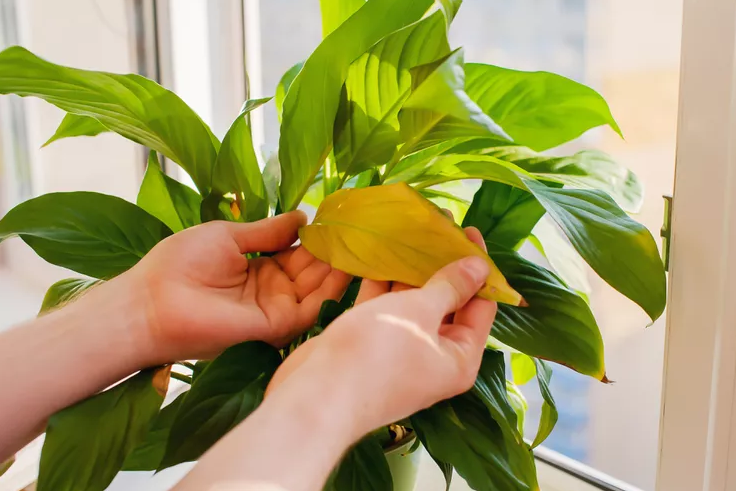
Visual identification of leaf drop: yellowing, wilting, or falling leaves
Before jumping to conclusions, observe the affected leaves carefully. Common signs of leaf drop include:
- Leaves turning yellow or brown before falling
- Wilting or limp leaves
-
Detached leaves falling off easily
-
Sparse or bare-looking plant due to loss of foliage Identifying these signs early helps you determine whether the issue is about overwatering, underwatering, or environmental stress.
Common causes overview: overwatering, underwatering, environmental stress, pests, or incorrect light
Several factors can lead to leaf drop in Peace Lilies. These include:
- Overwatering: Excess moisture damages roots, causing leaves to yellow and fall.
- Underwatering: Dry soil stresses the plant, leading to leaf shedding.
- Environmental stress: Low humidity, incorrect light levels, or drafts can weaken the plant.
- Pests or diseases: Infestations and infections can also cause leaf damage and drop.
- Nutrient deficiency: Lack of vital nutrients may make leaves fragile and prone to falling. By understanding these causes, you can take targeted action to help your Peace Lily recover.
Section 2: Diagnosing the Exact Cause
Follow this step-by-step diagnostic process to pinpoint the reason behind your Peace Lily’s leaf drop.
Cause 1: Overwatering leading to root rot and leaf drop
- Check the soil moisture: Is the soil soggy or waterlogged?
- Smell the soil: Does it have a sour or musty odor indicating root rot?
- Examine roots: Healthy roots are white and firm; rotted roots are brown and mushy.
Cause 2: Underwatering causing stress and shedding
- Feel the soil: Is it very dry several inches below the surface?
- Look at the leaves: Are they wilting, dry, or crispy?
Cause 3: Low humidity or improper lighting
- Observe the environment: Is the air dry or close to heating/cooling vents?
- Check lighting: Is your Peace Lily placed in low light or direct sunlight?
How to tell which cause applies to your plant
- If the soil is soggy and roots appear rotten, overwatering is the culprit.
- If the soil is dry and leaves are crispy, underwatering is likely.
- If the plant is in a dry environment or too close to vents, low humidity may be the cause.
- Sudden leaf drop combined with low light might signal insufficient lighting. Perform these checks to accurately diagnose your plant's problem.
Section 3: Treatment Solutions
Implement targeted fixes based on the diagnosed cause, including natural remedies and care adjustments.
Immediate actions: adjust watering habits, improve humidity, relocate plant
- For overwatering: Remove the plant from the pot, trim away rotten roots, and repot into fresh, well-draining soil. Water only when the top inch of soil feels dry.
- For underwatering: Water thoroughly until excess drains and maintain a regular watering schedule.
- Increase humidity: Use a humidity tray, mist leaves regularly, or place the plant in more humid areas like bathrooms.
- Relocate the plant: Move your Peace Lily away from drafts, direct sunlight, or heating/cooling vents to provide a stable environment.
Long-term treatment plan: repotting, proper watering schedule, environmental adjustments
- Repotting: Every 1-2 years, use a loose, peat-based or bark-rich potting mix designed for tropical plants.
- Watering schedule: Generally, water once a week, allowing the soil to dry out slightly between watering.
- Lighting: Place your Peace Lily in bright, indirect light for optimal health.
- Fertilization: Feed every 6-8 weeks with a balanced, water-soluble houseplant fertilizer.
Monitoring recovery: signs of improvement and when to prune damaged leaves
- Look for new leaf growth and a healthier, more vibrant appearance.
- Prune off yellow or brown leaves to conserve energy and encourage new growth.
- Avoid over-pruning; focus on removing only severely damaged foliage.
Section 4: Prevention Tips
Learn how to prevent future leaf drop by maintaining proper care routines.
Consistent watering and humidity management
- Establish a regular watering routine based on your environmental conditions.
- Keep humidity levels between 50-60% by misting or using humidifiers if necessary.
Providing optimal lighting conditions
- Place your Peace Lily in bright, indirect light—avoiding harsh direct sunlight to prevent leaf scorch.
Routine inspections for pests and diseases
- Check leaves and soil periodically for pests like spider mites or mealybugs.
- Address any issues immediately with natural remedies or insecticidal soap.
Using appropriate soil and fertilization
- Use a well-draining, organic-rich soil mix.
- Fertilize lightly during the growing season to support healthy growth.
Conclusion
Summary
Addressing leaf drop in your Peace Lily involves understanding the underlying causes—whether overwatering, underwatering, environmental stress, or pests—and making targeted care adjustments. With patience and proper attention, your plant can recover and once again flourish indoors.
Encouragement
Don't get discouraged—every plant problem is solvable with a little observation and care. Your Peace Lily is resilient and with the right steps, it can bounce back stronger than ever.
Next steps
Begin your diagnostics today—check your plant’s environment, adjust watering routines, and optimize its location. Implement the remedies discussed, and watch as your Peace Lily regains its lush, healthy foliage!
FAQ
Q: How long until I see improvement after adjusting watering?
A: Typically, you can expect to see signs of recovery within 2-4 weeks if you correct your watering habits and improve environmental conditions. New leaf growth is a good indicator of progress.
Q: Can my Peace Lily fully recover from leaf drop?
A: Yes, with proper care, Peace Lilies often recover completely from leaf drop caused by stress or improper care. Once the root system is healthy and environmental conditions are optimized, new healthy leaves will grow.
Q: Should I trim or prune the fallen or damaged leaves?
A: Yes, pruning damaged or browning leaves helps the plant focus its energy on healthy growth. Use clean, sharp scissors or pruning shears to remove the leaves at the base, avoiding tearing the healthy foliage.
Remember: Patience and attentive care are key to bringing your Peace Lily back to vibrant health. Happy gardening!