Struggling with black spots on your Jade Plant? You're not alone. Many indoor plant enthusiasts, especially beginners, notice dark patches appearing on their beloved succulent and wonder what went wrong. The good news is that with some understanding, care, and proper steps, you can effectively address this issue and bring your Jade Plant back to health.
In this comprehensive guide, we'll walk you through how to identify, diagnose, treat, and prevent black spots on your Jade Plant. Rest assured, with a little patience and the right knowledge, your plant can recover and even thrive again.
Section 1: Understanding the Problem
Visual identification of black spots
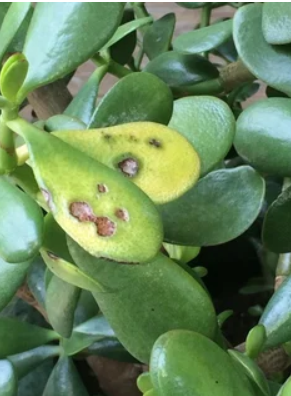
Black spots on Jade Plants often appear as irregular or uniform dark regions on leaves or stems. They might look like small dots, larger patches, or a combination of both. These spots are usually soft initially, but over time, they can become leathery or sunken, sometimes accompanied by other symptoms like leaf drop or discoloration. Healthy Jade Plants typically boast vibrant, plump green leaves with a smooth texture. Any unexpected darkening or blackening indicates a problem that needs attention.
Common causes of black spots
Understanding why your Jade Plant develops black spots is crucial for effective treatment. The primary reasons include:
- Fungal infections: Leaf spot fungi or root rot fungi can cause black, necrotic spots on leaves and stems, especially in damp conditions.
- Overwatering: Excess moisture fosters fungal growth and rots roots, which can manifest as black patches on the plant.
- Pest damage: Insects like mealybugs or scale can damage tissues, causing dark discoloration as a secondary effect.
- Physical injury: Bumping or bruising can lead to dark scars that resemble black spots. Knowing which cause is affecting your plant helps tailor the correct remedy.
Section 2: Diagnosing the Exact Cause
Step-by-step process
To effectively fix Jade Plant black spots, you need to accurately determine the cause. Here's how to do it:
Cause 1: Fungal infections
Look closely at the black spots—if they are spreading rapidly, appear fuzzy, or have a powdery surface, fungi might be responsible. You may also notice a soft, rotting smell if roots are involved.
Cause 2: Overwatering
Check the soil: if it's consistently wet or if the plant's roots feel mushy and brown, overwatering is likely the culprit. Black spots may be a sign of root rot spreading to stems and leaves.
Cause 3: Pest-related issues
Inspect your Jade Plant meticulously for tiny insects, sticky residue, or honeydew. If pests are present, they can cause tissue damage, leading to black, necrotic spots.
How to determine which cause applies to your plant
- Timing: Did the black spots develop after a period of excessive watering or fertilizing? If yes, overwatering might be to blame.
- Visual clues: Fuzzy black patches suggest fungus; shiny, sticky surfaces with pests suggest pest issues.
- Root inspection: Carefully remove the plant from its pot to check root health—brown, rotten roots indicate overwatering effects. Accurate diagnosis is essential to choose the right treatment.
Section 3: Treatment Solutions
Immediate actions
- Remove affected leaves: Use sterilized scissors or pruning shears to trim off blackened or heavily damaged leaves and stems. This prevents spread.
- Adjust watering habits: Ensure you're not watering your Jade Plant too frequently. Allow the soil to dry out completely between watering sessions.
- Isolate infected plants: Keep your Jade Plant away from healthy interior plants to prevent cross-contamination.
Long-term treatments
- Natural remedies: Spray affected areas with neem oil or insecticidal soap if pests are involved. Neem oil also has antifungal properties.
- Chemical fungicides: For severe fungal infections, apply a broad-spectrum fungicide following the manufacturer's instructions.
- Improve airflow: Place your Jade Plant in a well-ventilated spot to discourage fungal growth and pest infestations.
- Repotting: If roots are rotten, carefully remove the plant, trim away decayed roots, disinfect the pot, and repot with fresh, well-draining soil.
Monitoring and supporting recovery
- Water correctly: Stick to a watering schedule suited for succulents—generally once every 2-3 weeks.
- Ensure proper lighting: Jade Plants thrive in bright, indirect sunlight.
- Maintain humidity and airflow: Keep the environment dry and airy, especially during humid seasons. Consistency in care helps your Jade Plant recover faster and prevents future black spots.
Section 4: Prevention Tips
Adjust watering routines
- Water only when the top inch of soil feels dry.
- Use pots with drainage holes to prevent water accumulation.
- Avoid getting water on the leaves to reduce fungal risk.
Ensure good air circulation and lighting
- Place your Jade Plant near a sunny window or in a bright room.
- Use fans or open windows to promote airflow, especially in humid climates.
Regular inspection
- Check your plant weekly for early signs of black spots, pests, or other issues.
- Remove debris or fallen leaves promptly.
Use proper soil and avoid over-fertilization
- Use a cactus or succulent mix for excellent drainage.
- Fertilize sparingly—once a month during active growth with a diluted succulent fertilizer. By following these prevention strategies, you'll significantly reduce the chances of black spots reappearing.
Conclusion
Recap of Key Points
Black spots on Jade Plants can be caused by fungal infections, overwatering, pests, or physical damage. Proper diagnosis involves inspecting the plant closely and assessing watering habits and environment. Treat affected areas promptly by pruning, adjusting watering, applying appropriate remedies, and improving airflow. Prevent future issues by maintaining correct watering routines, ensuring adequate lighting, and regularly inspecting your plant.
Encouragement
Remember, with attentive care and patience, your Jade Plant can recover from black spots and continue to be a beautiful, thriving indoor companion. Don’t be discouraged—every plant problem is an opportunity to learn and improve your plant care skills.
Next steps
Start diagnosing your Jade Plant today. Identify the cause of the black spots, implement the recommended treatments, and adopt preventive habits. Your green thumb is capable of nurturing healthy, vibrant plants!
Q: How long until I see improvement after treatment?
A: Generally, you can expect to see signs of recovery within a few weeks after proper treatment and care. Pruned areas will gradually grow new healthy foliage, and black spots should fade or cease spreading.
Q: Can my Jade Plant fully recover from black spots?
A: Yes, most Jade Plants can fully recover if the cause is identified and addressed early. Healthy new growth indicates successful recovery.
Q: Should I prune all affected leaves or only the severely damaged parts?
A: It’s best to remove only the severely damaged or infected leaves and stems. Healthy-looking parts can remain, as they often recover with proper care, and pruning helps prevent the spread of infection.
If you're concerned about black spots on your Jade Plant, remember that proper diagnosis and attentive care can make all the difference. Happy gardening!