Quick Summary: Leaf drop in your Fiddle Leaf Fig can be alarming, but with proper diagnosis and care adjustments, your plant can recover beautifully. This guide walks you through common causes, practical fixes, and prevention tips so you can help your plant bounce back.
Introduction
Noticing your Fiddle Leaf Fig shedding leaves can be stressful—after all, these lush plants are often centerpieces in our homes, and their health feels personal. If your plant has started losing leaves or showing signs of stress, don’t worry. Leaf drop is a common issue, and with a gentle, informed approach, you can help restore it to full vitality. Many plant parents feel overwhelmed when their greenery isn’t thriving, but understanding the what's and why's behind leaf loss makes all the difference. Some causes are simple to fix—like adjusting watering habits or relocating to better light—while others may require a bit of patience and consistency. This article will help you identify the specific reason your Fiddle Leaf Fig is dropping leaves, guide you through effective treatments, and share tips to prevent future problems. Remember, your plant’s recovery is entirely possible—you just need to know what to do!
Section 1: Understanding the Problem
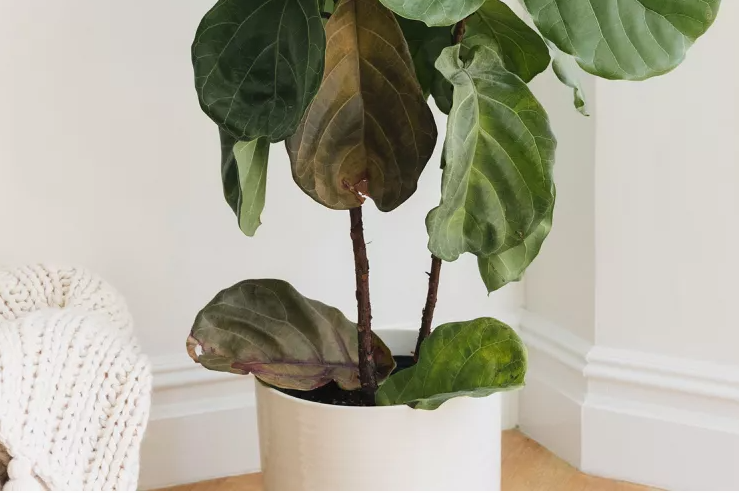
Visual Identification of Leaf Drop:
- Early signs: Small, sudden leaf yellowing or wilting before falling off.
- Severe leaf loss: Multiple large leaves dropping, exposing bare stems.
- Uneven shedding: Some leaves stay healthy while others detach prematurely.
- Leaf appearance: Dropping leaves may be yellow, brown, or crispy around the edges.
Why Does Leaf Drop Matter?
Leaves are vital for photosynthesis—the process plants use to produce energy. Losing leaves weakens your Fiddle Leaf Fig and can signal underlying issues. Early detection and action are crucial to avoid long-term damage.
Common Causes Overview
- Environmental stress: Sudden changes, drafts, or low humidity.
- Watering issues: Overwatering causes root rot; underwatering causes dehydration.
- Pests: Spider mites, mealybugs, or scale damage leaves, prompting drop.
- Nutritional deficiencies: Lack of essential nutrients weakens leaf tissue.
Section 2: Diagnosing the Exact Cause
Cause 1: Overwatering or Underwatering—How Moisture Levels Impact Leaf Health
- Symptoms of overwatering: Soggy or soft stems, yellowed leaves, and root rot.
- Symptoms of underwatering: Dry, crispy leaves turning yellow or brown, wilting.
- How to confirm:
- Check soil moisture; use a moisture meter or finger test.
- Examine roots—firm and white roots indicate healthy roots; brown, mushy roots show overwatering.
- Why it happens: Excess water suffocates roots, preventing oxygen flow, leading to leaf loss. Too little water causes dehydration, so leaves drop to conserve moisture.
Cause 2: Improper Lighting Conditions—Too Much Direct Sun or Low Light
- Too much direct sunlight: Leaves scorch, turn brown at edges, and drop.
- Low light: Insufficient photosynthesis causes leaves to yellow and fall.
- How to tell:
- Observe sunlight exposure; if near windows with direct sun, shade with curtains.
- If in a dim corner, consider moving closer to a bright, indirect light source.
- Why it happens: Light is essential for energy; imbalance stresses the plant, leading to leaf drop.
Cause 3: Sudden Environmental Changes—Drafts, Temperature Drops, or Low Humidity
- Symptoms: Leaves suddenly wilt or drop after temperature fluctuations or drafts.
- How to tell:
- Feel the indoor conditions—are there cold drafts or temperature swings?
- Measure humidity levels; below 40% can dry out leaves.
- Why it happens: Stress from environmental shifts causes the plant to shed leaves as survival adaptations.
How to tell which cause applies:
- Assess watering habits: Are you watering too often or too little?
- Evaluate light exposure: Is your plant receiving bright, indirect light?
- Check environment: Are there drafts, or is humidity low? Use a checklist to match symptoms with likely causes and narrow down your plant’s needs.
Section 3: Treatment Solutions
Immediate Actions (First 24-48 Hours)
-
Adjust watering:
-
If overwatered: Allow soil to dry out completely.
- If underwatered: Water thoroughly, ensuring excess drains away.
-
Relocate your plant:
-
Move Fiddle Leaf Fig to a spot with bright, indirect sunlight.
-
Increase humidity:
-
Place a humidifier nearby or set your pot on a pebble tray filled with water.
-
Inspect for pests:
-
Look for spider mites or mealybugs; treat with neem oil if found.
-
Check for drafts:
-
Move away from air conditioners, heaters, or drafty windows.
Long-Term Treatment
- Establish a consistent watering schedule:
- Water when the top inch of soil feels dry.
- During active growth (spring/summer), water weekly; reduce in winter.
- Feed your plant regularly:
- Use a balanced liquid fertilizer diluted to half strength every month during growing season.
- Maintain ideal lighting:
- Provide bright, filtered light—near east- or west-facing windows.
- Stabilize environmental factors:
- Keep temperature between 65-75°F (18-24°C).
- Maintain humidity above 40–50% with a humidifier or regular misting.
Monitoring Recovery
- Look for new leaf growth within 4-6 weeks.
- Expect older leaves to gradually stabilize or drop naturally.
- Healthy plants display vibrant, firm leaves and a sturdy posture.
Natural Remedies & Chemical Options
- Neem oil: Effective against pests; safely used as a natural pesticide.
- Hydrogen peroxide (3%): Can help disinfect roots if root rot is suspected—dilute 1 part peroxide to 4 parts water.
- Chemical treatments: Use insecticidal soap or systemic insecticides if pest infestation is severe, following instructions carefully. Remember: Recovery timelines vary; patience is key. If after several weeks no improvement occurs, reassess environmental conditions or consult a houseplant expert.
Section 4: Prevention Tips
- Water correctly: Check soil moisture regularly; water only when the top inch feels dry.
- Provide proper lighting: Fiddle Leaf Figs love bright, indirect light. Rotate regularly to promote even growth.
- Maintain steady temperature and humidity: Keep away from drafts, heaters, and cold windows.
- Regularly inspect for pests: Early detection prevents severe infestations.
- Prune dead or yellowed leaves: Remove to encourage healthy new growth and prevent disease spread.
- Establish a care routine: Consistent watering, feeding during active months, and cleaning leaves helps keep your plant stress-free. By understanding the "why" behind leaf drop, practicing consistent care, and creating a stable environment, you can maintain a happy, thriving Fiddle Leaf Fig.
Frequently Asked Questions
Q: How long until I see improvement after fixing watering and lighting?
A: Usually within 4 to 6 weeks, you should notice fewer leaves dropping, with new growth appearing if the cause was addressed promptly.
Q: Will my Fiddle Leaf Fig fully recover if leaves have dropped?
A: Yes, if the underlying cause is corrected, your plant can produce new leaves and regain its fullness. Be patient and consistent!
Q: Should I prune the fallen leaves or wait for new growth?
A: Remove clearly dead or severely damaged leaves to promote healthy growth. Wait for new leaves to emerge before doing extensive pruning.
Conclusion
Key Takeaways:
- Diagnose early by inspecting watering habits, light, and environment.
- Adjust care routines—watering, lighting, humidity—for immediate relief.
- Create a stable, nurturing environment to prevent future leaf drop.
- With patience and attentive care, your Fiddle Leaf Fig can recover and flourish again. Remember, your plant is resilient—by understanding its needs and acting with love, you’re well on your way to a healthier, happier Fiddle Leaf Fig. Keep observing, adjusting, and caring—your green companion will thank you!