Quick Summary: Root rot is a common but fixable problem for Monstera deliciosa. Recognizing early signs, diagnosing causes, and applying targeted treatments can revive your plant. With patience and proper care, your Monstera can bounce back to vibrant health!
Introduction
Noticing your Monstera’s leaves are yellowing or wilting? You might be worried that it’s dying or there's a serious hidden issue. Among the most common culprits is root rot, a frustrating but treatable problem that can threaten your plant’s life if not addressed promptly. As a fellow plant lover, I know how distressing it can be when your beloved houseplant starts showing signs of decline. The good news is that root rot is a typical issue caused largely by overwatering and poor drainage—things that most plant parents can correct with the right knowledge. In this guide, we’ll explore how to identify root rot, understand its causes, follow step-by-step treatment plans, and implement simple prevention tips to keep your Monstera thriving. Rest assured, with some care and patience, your Monstera deliciosa can recover, regain lush foliage, and stand tall once again.
Section 1: Understanding the Problem
Visual identification: Mushy, dark roots; yellowing or drooping leaves
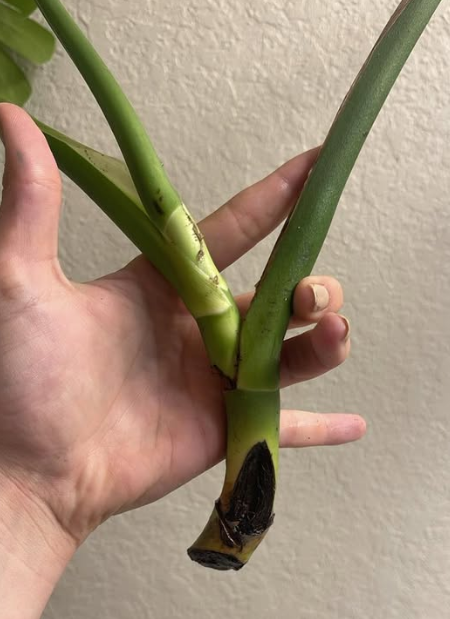
Root rot typically starts below the soil surface but leaves visible clues. Carefully remove your Monstera from its pot and inspect the roots—you might find many are mushy, dark brown or black, and have a foul smell. Healthy roots are firm and white or light tan. As the roots decay, the plant struggles to absorb water and nutrients. This causes leaves to turn yellow, droop, or wilt despite regular watering. Sometimes, the soil remains moist or waterlogged, and the overall plant looks sad and lifeless.
Common causes overview: Overwatering, poor drainage, or root damage
Overwatering is often the primary cause, especially if you water frequently or the pot lacks drainage holes. Combining excess moisture with stagnant soil creates an ideal environment for fungus or bacteria that cause root decay. Other factors include poor soil drainage (clay-heavy or compacted soil), physical damage to roots during repotting, or getting water in the crown—which can lead to localized rot. Recognizing these symptoms early allows you to act swiftly and give your Monstera the best chance of recovery.
Section 2: Diagnosing the Exact Cause
Follow these diagnostic steps to confirm root rot and identify contributing factors
Cause 1: Excessive watering leading to waterlogged soil
- Symptoms: Soil stays wet for days after watering, and the plant’s leaves droop or yellow despite being moderately watered.
- How to confirm: Check soil moisture levels with a moisture meter or your finger. If soil feels soggy and stays wet, overwatering is likely.
Cause 2: Poor drainage or compacted soil preventing proper aeration
- Symptoms: Roots appear soggy and smell sour; water drains slowly or not at all.
- How to confirm: Remove the plant gently and inspect roots; if they’re dark and mushy, poor drainage contributed.
Cause 3: Root damage from repotting or physical injury
- Symptoms: Localized rot or damaged roots near the soil surface or pot edges.
- How to confirm: Recall recent repotting or handling; damaged roots may be cut or scarred.
How to tell which one it is: inspecting roots, soil moisture, and plant history
Use a decision tree:
- Is the soil constantly wet? → Excessive watering.
- Are roots dark, mushy, and foul-smelling? → Root rot present.
- Was there recent repotting or root injury? → Possible physical damage.
- Does the soil drain poorly and retain water? → Drainage issue. Pinpointing the root cause helps tailor your treatment effectively.
Section 3: Treatment Solutions
Immediate actions to take:
- Remove the plant from its pot carefully to avoid further root damage.
- Gently shake off excess soil and inspect roots closely under bright light.
-
Trim away all affected roots:
-
Use sterile scissors or pruning shears.
- Cut back roots that are mushy, dark, or foul-smelling.
- Keep only healthy white or light tan roots.
- Disinfect tools after trimming to prevent spread.
- Treat remaining roots with a natural antifungal (like a diluted hydrogen peroxide solution) or a commercial fungicide if preferred.
- Repot in a clean, well-draining pot with fresh, airy soil—preferably a mix containing perlite or orchid bark.
Long-term treatment plan:
- Use natural remedies as needed: Apply neem oil or a hydrogen peroxide solution weekly for a few weeks to prevent fungal regrowth.
- Adjust watering habits:
- Water only when the top inch of soil feels dry.
- Reduce watering frequency during winter.
- Improve soil conditions: Use chunky, well-draining soil mix to encourage airflow around roots.
- Monitor your Monstera daily for signs of stress or new issues.
Recovery timeline:
- You may see signs of improvement within a few weeks—new root growth, healthier leaves.
- Complete recovery can take a couple of months, so patience is key.
- Watch for new, firm roots and returning leaf color. Warning: If you notice no improvement after several weeks or the plant’s condition worsens, reassess root health and consider repotting again or consulting a bonsai or plant health expert.
Section 4: Prevention Tips
- Water thoughtfully: Water only when the top 1-2 inches of soil are dry.
- Ensure proper drainage: Use pots with drainage holes and avoid clay or overly dense soil.
- Use the right soil mix: A light, airy mix with perlite, orchid bark, or coconut core promotes root health.
- Adjust watering seasonally: Less water in winter, more during active growth.
- Avoid water sitting in the crown: Never let water pool around the base.
- Repot when necessary: Refresh soil every 1-2 years or if it compacts. By adopting these practices, you help prevent root rot instead of just reacting to it.
Frequently Asked Questions
Q: How long until I see improvement after treatment?
A: Usually, you’ll notice healthier new growth and improved leaf color within 3-4 weeks. Full recovery, including new root development, may take 2-3 months.
Q: Will my Monstera fully recover from root rot?
A: If caught early and treated promptly, most Monsteras can fully recover. Severe root damage might limit size or vigor but generally doesn't mean complete loss.
Q: Should I prune all the damaged roots and leaves?
A: Yes, remove all mushy, dark, or dead roots and any yellow or wilted leaves. This reduces stress and promotes healthy regrowth.
Conclusion
Key Takeaways:
- Diagnose early: Look for yellowing leaves and mushy roots.
- Trim affected roots carefully and disinfect tools.
- Use well-draining soil and avoid overwatering.
- Adjust watering habits and improve soil drainage for ongoing health.
- With patience, your Monstera deliciosa can thrive again! Remember, root rot is common but entirely manageable. Your Monstera is resilient, and proper care combined with vigilant prevention will keep it thriving for years to come. Don’t get discouraged—every plant parent makes mistakes, but every mistake is a chance to learn and grow alongside your green friend.